Key Points
- East London Water Works charity has campaigned for over five years to transform a 14-acre former Thames Water depot on Lea Bridge Road in Waltham Forest/Hackney into a community-owned, biodiverse park featuring wild swimming ponds and community spaces.
- Proposal includes 3,000 square metres of naturally filtered swimming space with a sandy beach accommodating nearly 100 people, potentially supporting up to 1,200 swimmers per day.
- Swimming would be entirely free, funded by generating surplus electricity on-site to sell back to the grid.
- Two wild ponds planned: one family-oriented and one more immersive, filled with rainwater filtered through 5,300 square metres of reed beds.
- Additional features encompass meadows, pond dipping areas, a cafe, forest school, and other community amenities emphasising safety, wellbeing, and belonging.
- Currently awaiting approval from Hackney Council; site managed by Department of Education, with competing proposal for a secure children’s home delayed indefinitely as of August 2024.
- Campaign began in 2019 at a Save Lea Marshes meeting; charity registered in June 2022, crowdfunded £500,000 by February 2023.
- Nathan Miller, director/trustee of East London Water Works, inspired by desire for local free swimming for his children and community agency.
- Inclusive design from “The Listening Project” involved over 100 participants from underrepresented groups like young offenders, homeless people, and Haredi community.
- Site history: former Victorian filter beds, concreted over by Thames Water; government bought in 2017 for schools (rejected 2019), leased back as depot.
- Aligns with Lee Valley Regional Park guidelines for leisure, nature conservation, and heritage reuse.
- Recent illustrations released highlight sustainable features like reed bed filtration and energy self-sufficiency.visitleevalley+1
Waltham Forest (East London Times) January 9, 2026 – East London Water Works charity continues its push to convert a disused 14-acre Thames Water depot on Lea Bridge Road into a pioneering community park with free wild swimming facilities, including a sandy beach and naturally filtered ponds. The ambitious project, which could accommodate up to 1,200 swimmers daily, awaits Hackney Council approval amid competition from alternative development plans. Detailed illustrations and inclusive design proposals have reignited local interest in this potential urban oasis.
- Key Points
- What is the East London Water Works Park Project?
- Where Exactly is the Proposed Site Located?
- How Will the Wild Swimming Ponds Function?
- Why Will Swimming Be Free of Charge?
- Who is Leading the Campaign and What Inspired It?
- What Community Consultations Shaped the Design?
- What is the Site’s History and Ownership Status?
- What Additional Amenities Will the Park Include?
- When Might Construction Begin and What Challenges Lie Ahead?
What is the East London Water Works Park Project?
The East London Water Works Park aims to create a safe, inclusive haven prioritising nature, with wild swimming at its core on the brownfield Thames Water depot site. As outlined on the charity’s website, the vision encompasses biodiverse landscapes linking Walthamstow Wetlands, Hackney Marshes, and the Olympic Park. The proposal features 3,000 square metres of swimming space, reed beds for filtration, and community facilities to foster public ownership.
Phoebe Saunderson of MyLondon reported on the plans, noting they show “potential for 3,000 metres-squared of naturally filtered swimming space, as well as beach space for nearly 100 people.” This development would mark London’s first community-owned swimming pond, emphasising minimal built structures on Metropolitan Open Land.
Where Exactly is the Proposed Site Located?
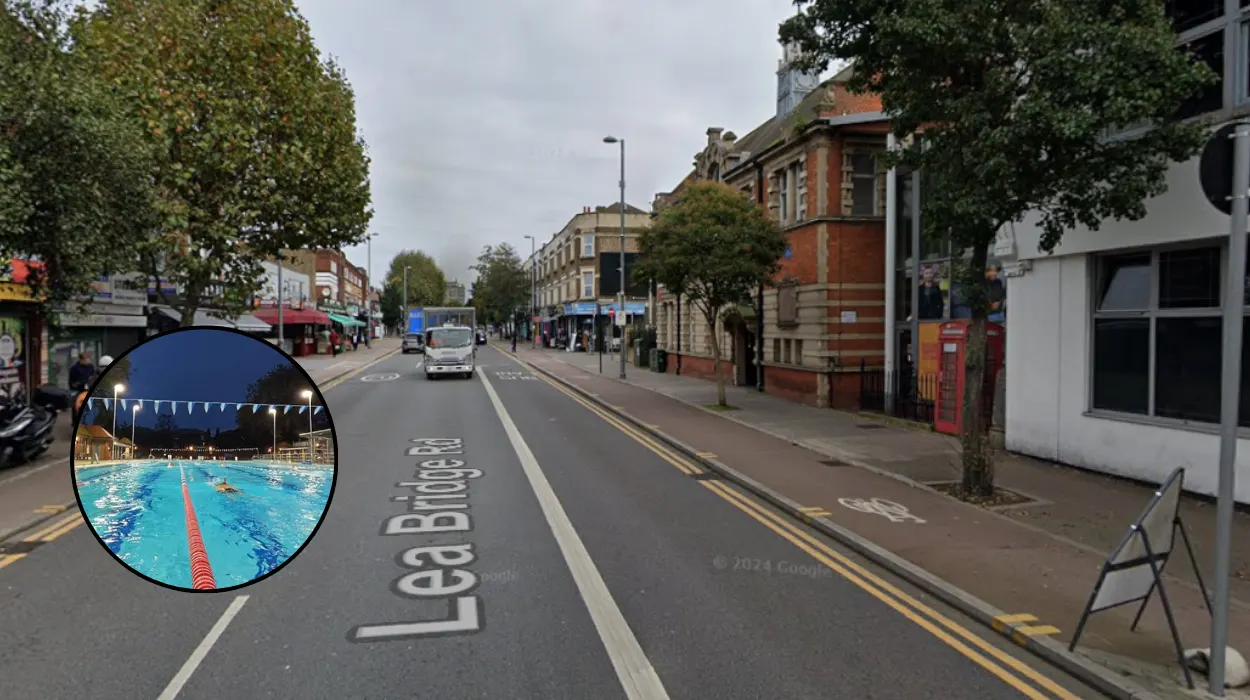
The 14-acre site lies on Lea Bridge Road, straddling Waltham Forest and Hackney borders in East London, adjacent to the Lea Valley. Once part of the Victorian Lea Bridge Waterworks’ Essex Number One Beds, it was concreted over and now serves as a Thames Water storage depot leased by the government. Phoebe Saunderson of MyLondon highlighted:
“East London Water Works Park hopes to redevelop the old 14-acre Thames Water depot on Lea Bridge Road.”
Its position within Lee Valley Regional Park makes it ideal for enhancing regional green corridors, as per the authority’s guidance for compatible leisure and conservation uses. Accessibility by train positions it as a local alternative to distant beaches like Margate.
How Will the Wild Swimming Ponds Function?
Rainwater will fill the two ponds—one family-focused nearer the beach, the other deeper for immersive wild swimming—naturally purified by 5,300 square metres of reed beds. This phytoremediation system avoids chemicals, using plants to filter impurities for safe, clean water. As cited by Phoebe Saunderson in MyLondon:
“The pools would be filled with rainwater filtered clean by 5,300 square metres of reed beds.”
Capacity targets match popular sites like London Fields Lido, with 1,600 square metres of beach supporting diverse activities from dips to laps. East London Water Works asserts the area “could facilitate up to 1,200 swimmers per day.”
Why Will Swimming Be Free of Charge?
Free access stems from on-site renewable energy production exceeding needs, with surplus sold to the grid to fund operations. Nathan Miller, director of East London Water Works, explained to Phoebe Saunderson of MyLondon:
“Current plans aim to make swimming sessions at the park totally free.”
This model empowers communities, contrasting paid lidos refurbished across the city.
Nathan Miller elaborated in the Hackney Citizen:
“There are no free accessible swimming spaces, so providing that is what the community wants to experience. These kinds of projects let communities take back agency.”
Solar and potential hydro elements ensure sustainability without fees.
Who is Leading the Campaign and What Inspired It?
Nathan Miller, a director and trustee of East London Water Works, drives the initiative, motivated by family needs. He told MyLondon:
“My first thought was that I’d love something like this to exist for my kids growing up and to have that locally for them.”
In the Hackney Citizen, Miller added:
“There is a huge amount of joy in how people respond to you giving them a sense of agency.”
The charity, registered in June 2022, built on 2019 discussions at Save Lea Marshes meetings and raised £500,000 via crowdfunding by February 2023. Partners like Expedition Engineering support the ecological design.
What Community Consultations Shaped the Design?
The “Listening Project” engaged over 100 people from underrepresented groups, including young offenders, homeless individuals, and Haredi women and girls, through paid workshops with 22 organisations. Priorities emerged as “feeling safe,” “wellbeing,” and “belonging,” informing features like sensitive lighting and wildlife-friendly planting.
Nathan Miller of the Hackney Citizen stated:
“We learnt through the process of these organisational interviews about how to listen to people, and why to listen to them. People want to be involved in the co-design of the community, but often aren’t given the opportunity.”
This inclusive approach yielded the recent Inclusive Design Proposal.
What is the Site’s History and Ownership Status?
Originally Victorian filter beds by East London Water Works Company, the site was retained and concreted by Thames Water; government acquired it in 2017 for schools, rejected by Waltham Forest Council in 2019. Now Department of Education-managed and Thames-leased, it faces rival plans for a secure children’s home announced January 2024, delayed post-August 2024 consultations.
A London Councils spokesperson told the Hackney Citizen:
“Delivering a secure children’s home in London… remains a key priority… There is still a severe national shortage of welfare placements… This means some of London’s most vulnerable children and young people are still waiting too long for the specialist care they need.”
Waltham Forest’s capital delivery is developing alternatives.
What Additional Amenities Will the Park Include?
Beyond swimming, plans feature multiple meadows, pond dipping, a cafe, forest school, and spaces for events, exercise, and learning. The graduated design promotes biodiversity with wildlife habitats and heritage building reuse. Illustrations depict change facilities, lifeguard stations, and eco-toilets for user comfort.
These align with community priorities from consultations, enhancing the 14-acre space as a multifunctional haven.
When Might Construction Begin and What Challenges Lie Ahead?
No timeline exists until Hackney Council approval; applications follow public consultations. Past crowdfunding success and research provide momentum, but flood risks, water quality, and traffic need addressing. Nathan Miller views the research’s “resonance beyond our specific project” for policymakers.
Despite children’s home competition, ELWP presses on, with strong community backing noted since 2022 crowdfunding.