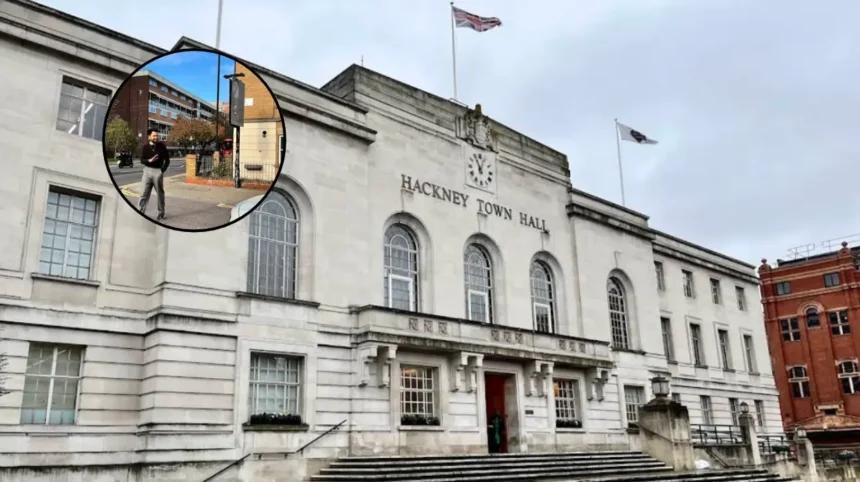
- Comprehensive Safety Overhaul: Hackney Council has published extensive proposals for a high-impact road safety programme spanning New North Road and East Road, covering the stretch between Poole Street and City Road.
- Seventeen Crossing Upgrades: The scheme includes 17 new or modernized pedestrian crossing points designed to improve accessibility and protect vulnerable road users.
- Pioneering Junction Features: The design introduces eight side-road zebra crossings—the first of their kind in the Borough of Hackney—alongside two new raised zebra crossings and multiple upgraded informal crossing points.
- Environmental & Accessibility Enhancements: Infrastructure works will incorporate step-free access, fresh paving, new tree planting, rain gardens, and upgraded street lighting to create greener, more welcoming public spaces.
- Targeting Vision Zero: The initiative aligns directly with Hackney Council’s strategic pledge to eliminate all road deaths and serious injuries across the borough by 2041.
Hoxton (East London Times) November 9, 2026 – Hackney Council has officially unveiled comprehensive plans for a major road safety transformation along the vital New North Road and East Road corridor, introducing 17 new or upgraded pedestrian crossing points between Poole Street and City Road to significantly boost safety and accessibility for local residents.
- What Are the Key Features of the Proposed Hoxton Pedestrian Safety Scheme?
- Why Has Hackney Council Introduced These Specific Infrastructure Changes?
- Background of the New North Road and East Road Safety Development
- Predictions: How Will This Development Affect Local Stakeholders and the Broader Community?
What Are the Key Features of the Proposed Hoxton Pedestrian Safety Scheme?
The newly published designs focus heavily on traffic-calming measures and vulnerable road user protection along one of the borough’s busiest thoroughfares. Central to the programme is the deployment of eight side-road zebra crossings. These represent the very first implementation of this specific safety infrastructure within Hackney, designed explicitly to clarify pedestrian priority at busy side-street junctions, reduce vehicle speeds, and legally require drivers to give way.
In addition to the side-road initiatives, the engineering package includes:
- Two new raised zebra crossings across main carriageways to reduce traffic speeds while providing level access.
- Upgrades to existing signalised and non-signalised pedestrian crossings to meet modern safety and accessibility standards.
- Multiple new raised informal crossing points to assist pedestrians in traversing longer stretches of the corridor without stepping off curb heights abruptly.
Beyond the core transport measures, the council’s urban design team has embedded environmental improvements throughout the plans. The proposals mandate new paving surfaces, extensive tree planting, rain gardens for sustainable urban drainage, and enhanced street lighting installations. Together, these elements aim to transform the high-density transport route into a greener, safer, and more visually inviting public realm.
Why Has Hackney Council Introduced These Specific Infrastructure Changes?
The infrastructure programme was formulated directly in response to persistent safety concerns raised by local residents regarding high vehicle speeds and the scarcity of secure, well-lit crossing locations along the New North Road and East Road alignment. Historic collision data and community feedback highlighted an ongoing risk to vulnerable road users, including pedestrians, cyclists, and individuals using mobility aids.
By installing continuous step-free crossings and raised tables, the council intends to make walking and wheeling entirely accessible to all demographics, particularly elderly residents and people living with disabilities. The scheme serves as an operational benchmark under the borough’s broader Vision Zero commitment, which aims to eliminate all traffic fatalities and serious injuries on Hackney’s road network by 2041.
According to the annual Healthy Streets scorecard evaluation, Hackney currently maintains some of the highest-rated pedestrian crossings and walking environments across inner London. Council leadership has emphasized that this multi-crossing installation represents merely the initial phase of a multi-year strategy to expand pedestrian priority infrastructure borough-wide.
Addressing the community, key local transport officials reiterated that walking remains the most common mode of transport across Hackney. Representatives stressed that ensuring every resident feels confident and safe while navigating local streets is essential, framing the 17 new or improved crossings as a decisive leap forward in establishing the borough as the safest and most walkable environment in London.
Background of the New North Road and East Road Safety Development
The New North Road and East Road corridor serves as a primary arterial route linking suburban East London traffic directly to the northern perimeter of the City of London at City Road. Over the past two decades, Hoxton and its immediate surroundings have undergone rapid urban density growth, transforming from light-industrial enclaves into vibrant, high-density residential and commercial hubs.
As foot traffic surged alongside traditional vehicular throughput, tensions between arterial commuting speed and local pedestrian movement escalated:
Residential Advocacy and Historical Safety Trends
Local community groups and ward councillors have consistently campaigned for traffic-calming measures along East Road and New North Road. Previous road layouts featured long stretches of uninterrupted carriageway, which frequently led to vehicle speeding outside of peak rush hours. The lack of protected crossing points left pedestrians—especially school children and vulnerable adults—navigating multi-lane traffic movements near complex side-street junctions.
The Rise of Healthy Streets Policy in Hackney
Hackney Council has long positioned itself as a pioneer in active travel, pioneering Low Traffic Neighbourhoods (LTNs), School Streets, and extensive cycling networks. The introduction of side-road zebra crossings aligns with recent updates to national street design guidance (including the Department for Transport’s updated Highway Code hierarchy of road users). Side-road zebras have proven successful in other pioneering UK local authorities, demonstrating significant reductions in junction collisions by visually and structurally signaling pedestrian right-of-way over turning motor vehicles.
Predictions: How Will This Development Affect Local Stakeholders and the Broader Community?
The implementation of the New North Road and East Road pedestrian safety project is anticipated to yield distinct operational, environmental, and socio-economic effects across several specific audience groups:
1. Pedestrians, Wheelchair Users, and Local Families
- Immediate Safety Improvements: The introduction of 17 crossing points significantly reduces waiting times and detour distances for pedestrians trying to cross East Road and New North Road safely.
- Enhanced Accessibility: Step-free, raised crossings eliminate curb barriers, allowing parents with pushchairs, elderly residents, and individuals using mobility scooters to cross streets smoothly and confidently.
2. Local Residents and Property Owners
- Public Realm and Environmental Uplift: The integration of rain gardens, strategic tree planting, and updated lighting will mitigate urban heat island effects, manage surface-water runoff during heavy rainfall, and improve nighttime visibility and personal security.
- Noise and Speed Reduction: Physical traffic-calming features like raised zebra tables will naturally suppress traffic noise generated by high-speed acceleration along straight sections of the road network.
3. Drivers and Commercial Logistics Providers
- Slower Travel Times: Motor vehicle drivers will experience lower average speeds along the corridor due to raised crossings, narrower effective carriageways, and mandatory yielding at the eight side-road zebra locations.
- Increased Driver Vigilance: Clear visual priority markers at side roads will require commercial drivers and commuters to exercise greater care when executing left or right turns, minimizing blind-spot risks near junctions.
4. Local High-Street Businesses and Retailers
- Increased Footfall: Studies on public realm investments consistently demonstrate that high-quality, walkable environments encourage higher foot traffic and longer dwell times, benefiting local shops, cafes, and service providers along East Road and nearby side streets.