Key Points
- Labour councillors in Hackney have joined opposition to proposed changes to several north London bus routes.
- Transport for London is consulting on changes to routes 149, 67 and 254.
- The proposals would re-route part of the 149 between Stamford Hill and Wood Green.
- The 67 service could be withdrawn between Wood Green and Dalston Junction.
- The 254 could be scrapped between Aldgate and Holloway.
- Passengers travelling on the 149 between London Bridge and Edmonton Green could lose direct links to some existing stops.
- The consultation is due to run until September 20.
- The proposed replacement arrangements would preserve most connections currently provided by route 67 between Wood Green and Dalston Junction, except Dalston Junction Bus Station at Stop N.
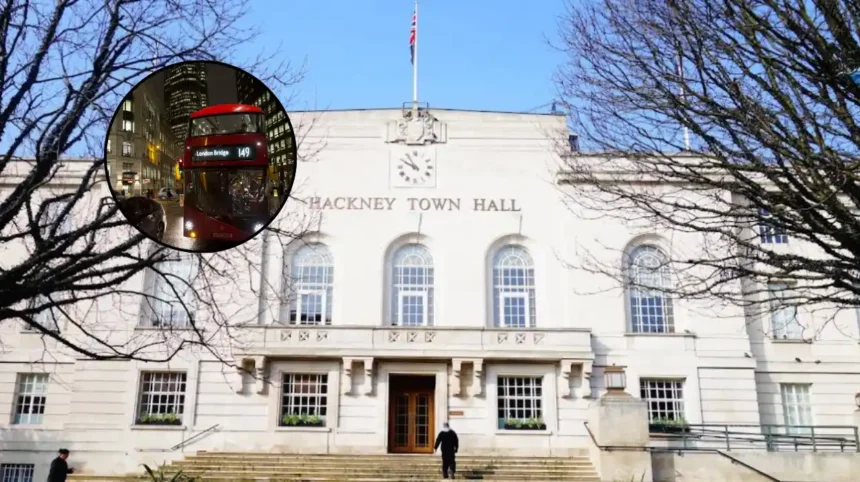
Hackney (East London Times) August 8, 2026- are opposing Transport for London plans to change three bus routes serving areas affected by limited Tube connections. The proposals would re-route part of the 149, remove the 67 between Wood Green and Dalston Junction, and scrap route 254 between Aldgate and Holloway.
- Key Points
- Why are councillors opposing the proposed bus changes?
- How would the proposed route 149 changes affect passengers?
- What would happen to route 67?
- Why is route 254 included in the proposals?
- What are the next steps in the consultation?
- What is the background to the proposed development?
- How could the proposals affect passengers and local communities?
The plans are currently subject to public consultation, which is scheduled to continue until September 20. If approved, the changes would alter existing journeys for passengers travelling through Stamford Hill, Wood Green, Dalston Junction, Edmonton Green, Aldgate and Holloway.
Labour councillors in Hackney have joined calls from council leaders in Enfield and Haringey, who are lobbying against the proposed changes.
Their opposition centres on the potential loss of direct bus connections in parts of north and east London where passengers rely on buses to travel between neighbourhoods not directly connected by the Underground network.
Why are councillors opposing the proposed bus changes?
According to the report by The Standard, councillors are concerned that the changes could affect one of London’s busiest bus corridors and reduce direct travel options for residents.
The proposed changes involve three routes. Transport for London wants to divert part of route 149 away from its existing alignment near Stamford Hill and towards Wood Green. At the same time, the section of route 67 operating between Wood Green and Dalston Junction would be removed.
TfL is also proposing to scrap route 254 between Aldgate and Holloway. The changes would therefore affect passengers using buses across several boroughs and communities, including Hackney, Haringey and Enfield.
Councillors from the affected areas are lobbying against the plans rather than supporting the proposals. The report links their concerns to the importance of maintaining reliable bus services across areas that do not have direct Tube access.
How would the proposed route 149 changes affect passengers?
Passengers using route 149 between London Bridge and Edmonton Green could lose direct links to a number of stops under the proposed changes.
The 149 currently provides a direct route between those two destinations. Transport for London is seeking to divert part of the service from Stamford Hill towards Wood Green.
That would change the route’s existing pattern and could require some passengers to change buses or use a different service for part of their journey.
The affected route passes through areas with connections to Hackney, Haringey and Enfield. Any change to the 149 would therefore have implications beyond a single neighbourhood, particularly for passengers who use the route for cross-borough travel.
The information provided does not specify the full list of stops that would no longer be served directly by the 149. It does, however, state that passengers travelling between London Bridge and Edmonton Green are expected to lose direct links to existing stops as a result of the proposed diversion.
What would happen to route 67?
Under TfL’s proposal, route 67 would be axed between Wood Green and Dalston Junction.
The proposed new 149 route would retain all the connections currently provided by route 67 between Wood Green and Dalston Junction, with one stated exception: Dalston Junction Bus Station, identified as Stop N.
This means the proposed changes would not remove every connection currently available along the 67 corridor. However, passengers who specifically use Dalston Junction Bus Station would not retain the same connection under the plan.
The proposals could also affect how passengers interchange between routes. The 67 currently links Wood Green with Dalston Junction, while the revised 149 would take on the connections provided by that section of the route.
The practical effect for individual passengers would depend on their stop, destination and whether they need to use Dalston Junction Bus Station.
Why is route 254 included in the proposals?
Transport for London is also proposing to scrap route 254 between Aldgate and Holloway.
The report does not provide details of replacement services for every section of the 254 route. It states that the proposal forms part of a wider package of changes affecting bus routes through a Tube network dead zone.
The proposed withdrawal would affect journeys between east and north London, including passengers travelling through Aldgate and Holloway.
Without the 254 operating on this section, some passengers could need to use alternative bus services or make additional changes to complete their journeys.
No final decision has been reported in the information provided. The proposals remain subject to consultation until September 20.
What are the next steps in the consultation?
Transport for London is continuing to gather views on the proposed changes. Residents, passengers and local representatives can respond before the consultation closes on September 20.
The outcome will determine whether the proposed changes proceed as described, are amended or are not introduced. The information provided does not state when TfL will publish its final decision or whether further revisions will be made after the consultation.
The involvement of councillors from Hackney, Enfield and Haringey shows that the proposals have attracted political opposition across more than one borough.
Their lobbying is focused on retaining existing links and limiting the effect of changes on passengers who depend on the routes.
Explore More Hackney News
Clapton Tram Depot revival plans revealed in Hackney, 2026
Nurses’ Haifa Training at Risk as Council Reviews Twinning, Hackney 2026
What is the background to the proposed development?
The proposals form part of Transport for London’s review of bus services travelling through an area described in The Standard’s report as a Tube network dead zone.
The review covers routes 149, 67 and 254 and would change the way services operate between north, east and central London.
The main proposed changes are the diversion of part of route 149 from Stamford Hill towards Wood Green, the removal of route 67 between Wood Green and Dalston Junction, and the withdrawal of route 254 between Aldgate and Holloway.
The revised 149 would retain the connections currently provided by route 67 between Wood Green and Dalston Junction, except for Dalston Junction Bus Station at Stop N. The consultation is due to remain open until September 20.
How could the proposals affect passengers and local communities?
If the plans are approved without changes, passengers using the 149 between London Bridge and Edmonton Green could lose direct links to some existing stops. Travellers using route 67 between Wood Green and Dalston Junction would use the revised 149 for the retained connections, but the Dalston Junction Bus Station stop identified as Stop N would be excluded.
Passengers who use the 254 between Aldgate and Holloway could also need to find alternative routes if the service is scrapped on that section. The precise effect would depend on the final TfL decision and any replacement arrangements announced after the consultation.
For residents and councillors, the key issue will be whether the revised network maintains practical links between the affected areas. The final impact cannot be determined until Transport for London completes the consultation and confirms which proposals, if any, will be implemented.