Key Points
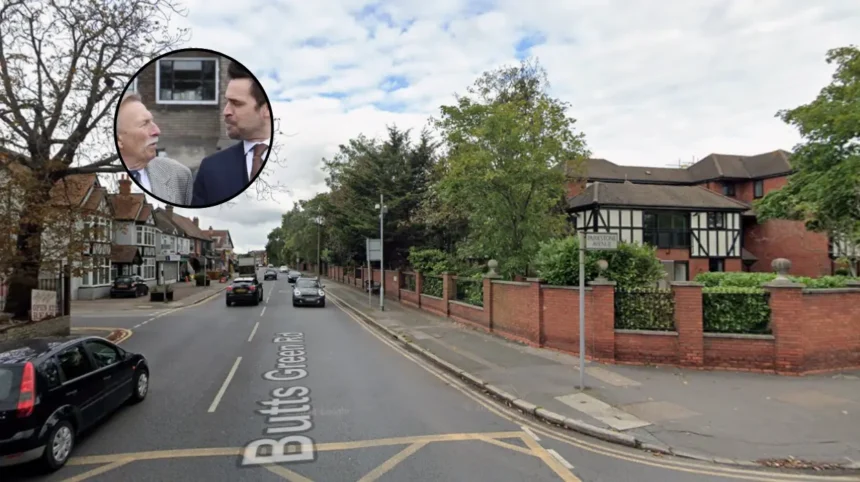
- Alex Sibley, known from Big Brother series 3 in 2002, won a seat for Reform UK in Emerson Park ward, Havering, east London, in the local elections held on Thursday, May 7, 2026, with results declared on Friday, May 8.
- Sibley secured 1,255 votes, the second-highest in the ward, behind Reform UK’s David Johnson with 1,306 votes.
- Other candidates included Ghazala Ansari (Green Party, 226 votes), Balwinder Singh Khaira (Labour Party, 272 votes), Bernice Robinson and Dominic Noel Swan (Conservatives, 866 and 795 votes), and Havering Residents Association candidates Stuart Chapell and Paul Harrison (1,098 votes each).
- Reform UK made sweeping gains nationwide, with leader Nigel Farage expressing delight at the results, gaining over 300 seats while Labour lost more than 200.
- Labour suffered major defeats in heartlands like Wigan, Salford, Hartlepool, and Havering areas, amid broader losses across England.
- Sibley, aged 47, recently announced his candidacy on Instagram, looking unrecognisable from his reality TV days.
- This win contributes to Reform UK’s strong performance in Havering, where the party secured multiple seats including in Emerson Park.
Emerson Park, Havering (East London Times) May 8, 2026 – Former Big Brother contestant Alex Sibley has been elected as a Reform UK councillor for the Emerson Park ward in Havering, east London, securing 1,255 votes in the local elections declared today.
Who is Alex Sibley and What Led to His Political Run?
Alex Sibley first gained public attention over two decades ago as a housemate on the third series of Big Brother in 2002.
As reported by an unnamed journalist at the Evening Standard, Sibley entered the house alongside figures such as the late Jade Goody, Alison Hammond, and winner Kate Lawler.
Recently, the 47-year-old announced his shift to politics, standing for Reform UK in Emerson Park. According to coverage in the Daily Mirror, Sibley shared his candidacy on Instagram days before polling day on Thursday, May 7, 2026, appearing transformed from his television appearance.
In the ward contest, Sibley faced competition from Ghazala Ansari of the Green Party, Balwinder Singh Khaira of Labour, a Conservative ticket of Bernice Robinson and Dominic Noel Swan, and Havering Residents Association candidates Stuart Chapell and Paul Harrison.
Official results from Havering Council confirm Sibley and fellow Reform UK candidate David Johnson (1,306 votes) were elected, with the Residents Association also securing seats.
Why Did Reform UK Perform Strongly in Havering?
Reform UK’s success in Emerson Park forms part of a broader advance in Havering. PollCheck projections prior to the election suggested Reform could win up to 30 of 55 seats on the council.
Results show additional Reform wins, such as Robert Benham (2,241 votes) in Marshalls and Rise Park ward, and Christine Vickery (2,330 votes) and Tom Vickery (2,255 votes) in Squirrels Heath.
Havering had been under a minority administration by the Havering Residents Association (HRA) since 2024, following defections from Conservatives. Prior to 2026, Reform held three seats after Conservative defections.
As noted by BBC coverage on the borough, turnout and swings had favoured non-traditional parties in recent years, with a 7.6% swing from Conservatives to HRA in 2022.
What Are the National Implications of Reform’s Gains?
Reform UK leader Nigel Farage described the results as “delighted” in initial reactions, with the party gaining 305 seats nationally by Friday morning, per The Guardian reporting. Farage compared the gains to “clearing Becher’s Brook” in the Grand National, as cited by The Independent.
Labour, under Sir Keir Starmer, lost over 229 seats, worse than some expectations of up to 1,850 losses across contests. Key defeats included loss of control in Hartlepool, Tameside, Redditch, and Tamworth.
ITV News Granada reported major Labour losses in the North West, including Salford, Chorley, Wigan, and Tameside, with Reform making large gains there.
The Independent detailed Reform taking 15 seats in Halton, Cheshire, with over 50% vote shares in some wards.
Polling expert Professor John Curtice of the University of Strathclyde called it a “significant triumph” for Reform, as quoted in The Guardian. Conservatives lost 122 seats but regained Westminster council from Labour.
The Guardian further noted Reform’s advances in northern regions and Midlands, pushing Labour into opposition in areas like Hartlepool and Chorley. Reform’s Zia Yusuf predicted a “turquoise wave” in Labour heartlands, per The Independent.
Earlier BBC coverage from 2025 local elections highlighted Reform’s trajectory, overtaking Conservatives as main opposition in some metrics.
How Does Sibley’s Win Fit into Reform’s Strategy?
Sibley’s election marks a celebrity endorsement for Reform in local politics. WalesOnline reported his 1,255 votes as securing the Havering seat. Metro UK via Facebook noted it as the second-highest in the borough.
WhoCanIVoteFor confirmed Sibley’s Reform candidacy for Emerson Park, with results due post-May 7. His win aligns with Reform’s recruitment of high-profile figures amid national momentum.
No direct quotes from Sibley on his victory were available in initial reports, but his Instagram announcement preceded the poll.
Background of the Development
The 2026 local elections occurred amid political fragmentation in the UK. Havering’s council structure evolved from a Conservative-Labour coalition post-2022 to HRA minority rule by 2024, bolstered by defections. Reform entered with three seats via similar shifts.
Nationally, Reform built on 2025 gains of nearly 700 councillors and control of 10 authorities. Labour anticipated losses but faced deeper defeats in heartlands.
Polling anticipated challenges for both major parties, with Reform capitalising on anti-establishment sentiment.
Big Brother series 3 in 2002 launched Sibley’s fame, part of Channel 4’s reality TV era. His return to public life via politics reflects trends of former celebrities entering local governance.
Prediction: Impact on Havering Residents
This development can affect Havering residents through shifts in council priorities. Reform’s increased representation, including Sibley’s seat, may influence decisions on local services, housing, and budgets in Emerson Park and beyond, given the party’s focus on immigration and cost-of-living issues evident in national gains.
Residents in wards like Emerson Park could see policy emphasis aligning with Reform platforms, potentially altering HRA minority dynamics. Labour voters in the borough face reduced influence after low ward performances, such as Khaira’s 272 votes.
Broader east London communities might experience ripple effects if Reform pushes for borough-wide changes, amid national trends of party realignments impacting service delivery and representation.