Key Points
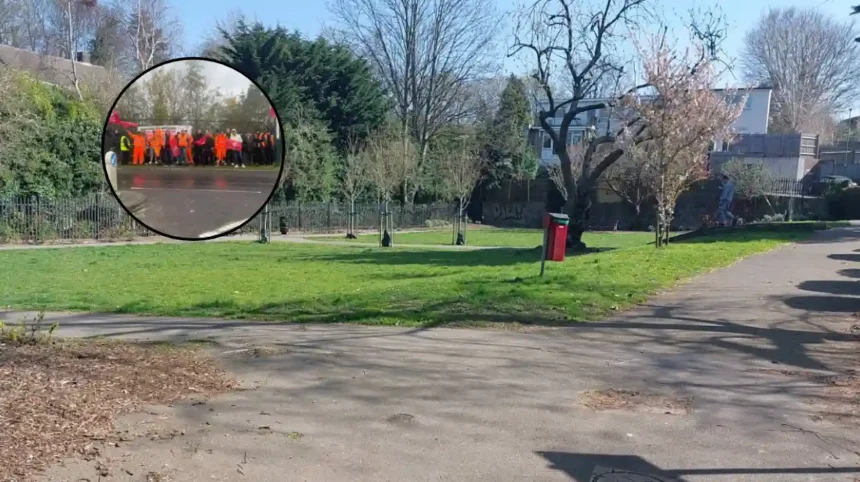
- Industrial Action Commences: Refuse workers in Havering have officially begun strike action, establishing a picket line outside FCC Environment’s site in Elm Park.
- Pay and Conditions Dispute: The strike centers on pay rates and working conditions, with the union highlighting that local workers are struggling to make ends meet on £12.88 an hour.
- Allegations of Agency and Relocated Staff: Unite the Union criticized FCC Environment for allegedly bringing in workers from other council contracts across the country, including drivers from East Lothian in Scotland, rather than negotiating.
- Call for Urgent Negotiations: Union representatives have reiterated their willingness to meet with FCC management to negotiate a settlement, while calling on Havering Council to recognize the financial pressures faced by local residents.
- Uncertain Resolution Timeline: Concerns have been raised over the potential longevity of the dispute, with union officials criticizing suggestions that issues might not be resolved until March 2027.
- Impact on Local Services: Prolonged industrial action threatens to cause significant disruption to household refuse and recycling collection services across the London Borough of Havering.
Elm Park (East London Times) October 27, 2026 — Refuse collection staff in the London Borough of Havering have officially commenced strike action, gathering outside contractor FCC Environment’s site in Elm Park as a dispute over pay rates and working conditions escalates. The industrial action, organized by Unite the Union, has raised immediate concerns regarding potential disruption to household waste and recycling services across the borough, while union representatives urge the employer to engage in meaningful negotiations to bring the standoff to a swift conclusion.
Why Have Havering Refuse Workers Decided To Walk Out?
The dispute primarily focuses on remuneration and general terms of employment for the frontline workforce responsible for waste management within the borough. According to representatives from Unite, the union representing the striking personnel, the current hourly rate of £12.88 leaves employees struggling to cover basic living costs amidst broader inflationary pressures.
As reported by the Havering Daily, Danny Hoggan, Regional Officer for Unite, highlighted the financial hardship faced by local staff and questioned the long-term outlook offered during preliminary discussions. Mr Hoggan stated:
“Havering Council must realize that people living in the borough are going to struggle to make ends meet on £12.88 an hour. Unite are more than willing to meet with FCC to negotiate an end to this dispute and hopefully FCC can do better than saying everything will be sorted by March 2027.”
The union contends that low pay scales fail to reflect the physically demanding nature of the work and the rising cost of living in Greater London, prompting members to vote in favor of industrial action to seek an improved financial package.
How Has FCC Environment Responded To The Industrial Action?
Rather than entering direct negotiations with local workplace delegates, the employer has reportedly deployed staff from other municipal contracts to maintain basic service levels. As reported by the Havering Daily, Mr Hoggan criticized the company’s operational response, alleging that FCC Environment brought in external workers from distant locations instead of engaging with union representatives on-site.
Detailing the extent of these measures, Mr Hoggan noted:
“FCC rather than negotiating with the workforce representatives from Unite they brought in workers from other FCC Council contracts. The furthest drivers came all the way from East Lothian in Scotland. The company would rather put someone up in a hotel for a week than treat locals with dignity and respect.”
The Havering Daily indicated that it reached out directly to FCC Environment for an official comment regarding the strike, the deployment of out-of-area workforce personnel, and the status of pay negotiations, but a response had not been received at the time of reporting.
What Are The Immediate Demands Of Unite The Union?
Unite has emphasized that its primary goal remains securing a fair pay settlement and improved workplace standards through structured dialogue. The union maintains that its representatives remain open to meeting with FCC management at any point to draft a mutually acceptable agreement.
Trade union organizers argue that resolving the dispute requires a realistic commitment from both the employer and the local authority, rather than relying on temporary staffing arrangements that do not address the core concerns of the permanent workforce. They continue to call for constructive talks to prevent prolonged disruption to public amenities.
Background To The Waste Management Dispute
Waste collection services in Havering are delivered through external contractor partnerships managed on behalf of the local authority. Public sector contracts for environmental services are subject to strict budgetary frameworks negotiated between local councils and private service providers. Over recent years, rising inflation and increased living expenses across Greater London have heightened pressures on outsourced municipal staff, leading to similar labor disputes across various boroughs.
Unite the Union has consistently campaigned for public service contractors to align wage structures with living costs, arguing that low baseline pay contributes to high staff turnover and reduced service efficiency. The current strike in Elm Park represents the latest escalation in ongoing efforts by trade unions to secure enhanced wage guarantees for outsourced council workers across the region.
How This Industrial Action May Affect Havering Residents And Businesses
The ongoing strike action is expected to have a direct bearing on household waste collection schedules, local sanitation, and municipal budgeting across the London Borough of Havering.
Impact On Householders And Public Sanitation
If the dispute remains unresolved, residents face the prospect of missed bin collections, leading to an accumulation of uncollected household waste and recycling. Prolonged delays in collection runs could result in overflowing communal bins, heightened littering in residential streets, and potential public health concerns during warmer weather. Householders may be required to store excess waste within property boundaries or make additional trips to municipal recycling centers.
Financial And Operational Implications For Local Governance
For Havering Council and local taxpayers, prolonged industrial action introduces operational challenges and potential secondary costs. Relying on temporary staff or cover crews sourced from other regions may incur additional transport and accommodation expenses. Furthermore, persistent service disruptions could lead to an increased influx of resident inquiries and complaints, placing additional administrative strain on local council services while negotiations remain stalled.