Key Points:
- Expansion of the PSPO to Borough-Wide Level: The Council of Havering has officially opened the process of public consultation for introducing a borough-wide PSPO in Havering covering all public places in the area.
- Superseding Existing Restrictions: The proposed order seeks to supersede the current PSPO that has been introduced in October 2023 and will expire in October 2026. This order only covers the town centre of Romford and concerns anti-social behaviour fuelled by alcohol intake only.
- Range of Restrictions Proposed: The proposed PSPO order contains nine different restrictions, including public drinking of alcohol, dog fouling, aggressive begging, reckless behaviour of using e-scooters and e-bikes, nuisance groups, face coverings meant for hiding identity while performing anti-social behaviour, public urination/defecation, amplified sound, and wildlife feeding.
- Tough Penalties Involved: People violating the conditions of this proposed order may face a fixed penalty notice of £100 on the spot or court trial for facing penalties up to £1,000.
- Request for Public Input: The consultation seeks input from the public, businesses, and visitors as to whether they have experienced such behavior, whether the measures would help improve public spaces, and whether the measures should be implemented in the whole Borough or location-based.
- Cabinet Approval: Councillor Terry Brown, Cabinet Member for Public Protection, said the scheme would provide additional powers to enforce officers and the Metropolitan Police to combat bad behavior in all public places.
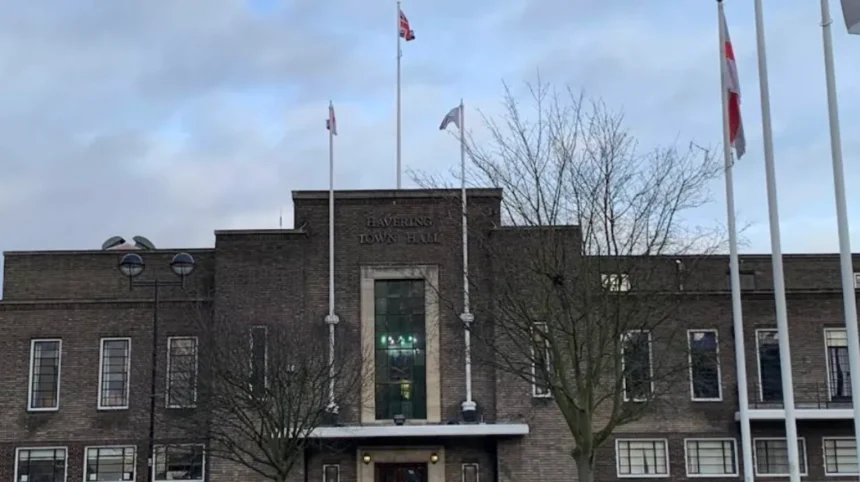
Havering (East London Times) August 29, 2026 — As reported by media reports based on official statements issued by Havering Council, local authorities have formally initiated a public consultation to gather feedback on plans to introduce a comprehensive Public Space Protection Order (PSPO) across the entirety of the London Borough of Havering. The legal mechanism, if adopted following the consultation period, will grant council enforcement officers and Metropolitan Police officers additional enforcement powers to restrict specific nuisance activities where they negatively affect local communities.
- Key Points:
- What Specific Behaviours Will Be Restricted Under the New PSPO Proposals?
- How Will the Public Space Protection Order Be Enforced and What Are the Penalties?
- How Can Residents and Local Businesses Participate in the Consultation?
- Background of Public Space Protection Orders in Havering
- Prediction: How This Development Could Affect Local Stakeholders
The current proposed order is intended to establish a standardized enforcement approach across all public areas, with the local authority highlighting its aim to make town centres, parks, and residential streets safer, cleaner, and more welcoming for residents, commercial entities, and visitors alike.
Should the outcome of the consultation support the move, the new Borough-wide PSPO will directly replace the existing order. The current framework was originally enacted in October 2023 and is scheduled to automatically expire in October 2026. However, the 2023 order remains strictly limited in scope, operating only within the geographical boundaries of Romford Town Centre and focusing predominantly on alcohol-related anti-social incidents.
What Specific Behaviours Will Be Restricted Under the New PSPO Proposals?
Under the newly published proposals, Havering Council has expanded the range of target behaviours beyond town-centre alcohol control. As detailed in local authority documentation, the consultation asks the public to evaluate restrictions on nine specified operational areas:
- Alcohol Consumption in Public Spaces: Authorised officers will have the authority to require individuals to surrender or cease drinking alcohol in non-licensed public places if their conduct is deemed anti-social.
- Dog Fouling and Irresponsible Dog Ownership: Requiring dog owners to immediately clean up after their pets and ensure dogs remain under proper physical control in public zones.
- Aggressive or Persistent Begging: Prohibiting individuals from begging in a manner that causes nuisance, intimidation, harassment, or distress to members of the public.
- Anti-Social Use of Bicycles, Mopeds, E-Scooters, or E-Bikes: Restricting the dangerous, reckless, or disruptive operation of light vehicles in public footpaths and pedestrian zones.
- Groups Causing Nuisance or Criminal Behaviour: Restricting gatherings of two or more individuals where their collective conduct causes public nuisance, anti-social disruption, or criminal activity.
- Face Coverings Used to Conceal Identity: Banning the deliberate use of face coverings intended to obscure identity while carrying out, or intending to carry out, acts causing harassment, alarm, or distress. The council clarified that this prohibition will explicitly exempt coverings worn for medical, religious, or cultural reasons.
- Urinating or Defecating in Public Places: Explicitly prohibiting public urination and defecation across all public spaces.
- Amplified Street Entertainment, Busking, and Public Speaking: Restricting unpermitted amplified sound equipment or public speaking that generates excessive noise disturbance or alarm to passers-by and nearby properties.
- Feeding Wildlife in Public Spaces: Banning the feeding of wildlife or leaving food in public areas where such actions cause environmental damage, create health risks, or attract vermin.
How Will the Public Space Protection Order Be Enforced and What Are the Penalties?
As highlighted by local authority publications, the proposed PSPO will be actively enforced by both Metropolitan Police officers and designated council enforcement officers.
Individuals found breaching any term of the PSPO without a reasonable excuse may be issued an immediate Fixed Penalty Notice (FPN) of £100 on the spot. If an offender fails or refuses to pay the FPN, the matter can be escalated to the Magistrates’ Court, where summary conviction carries a maximum financial penalty of up to £1,000.
As reported by local news outlets covering Havering Council’s announcement, Councillor Terry Brown, Havering’s Cabinet Member for Public Protection, outlined the rationale behind expanding enforcement boundaries. Councillor Terry Brown stated:
“Our current PSPO to deal with alcohol related problems in Romford town centre is due to expire in October. By introducing a Borough-wide PSPO, it enables our officers and that of the Police, to have the extra powers to continue cracking down on unacceptable behaviour in all our public spaces in Havering.
“We need the views of residents, businesses and all those who visit Havering, so we can look at the best way possible to make sure everyone can enjoy our Borough as a safe place. While the vast majority of people use our town centres and public spaces responsibly, sadly, a number of individuals don’t and cause nuisance and distress to others. We will not tolerate this.
“Anyone found carrying out antisocial behaviour will face strong action in Havering.”
How Can Residents and Local Businesses Participate in the Consultation?
The official public consultation opened on August 28, 2026, and is scheduled to remain open for public submissions until October 23, 2026. Havering Council is requesting feedback from residents, local business operators, commuters, and visitors through its online engagement portal and public feedback channels.
The consultation questionnaire specifically asks stakeholders to answer five core structural questions:
- Whether they have personally experienced any of the anti-social behaviours listed in the proposal within Havering.
- Whether they believe the proposed prohibitions will effectively reduce anti-social behaviour.
- Whether they feel the restrictions will measurably improve the public’s day-to-day experience of local spaces.
- Whether the proposed restrictions should apply uniformly across the entire Borough or remain restricted only to specifically designated hotspot zones.
- Whether overall they support or oppose the formal introduction of a Borough-wide PSPO.
The local authority confirmed that all responses submitted before the October deadline will be formally evaluated alongside local crime statistics and police evidence before Cabinet members take a final decision regarding the implementation of the order.
Background of Public Space Protection Orders in Havering
Public Space Protection Orders were created under the UK Parliament’s Anti-social Behaviour, Crime and Policing Act 2014. The legislation allows local authorities in England and Wales to create tailored orders specifying prohibitions or requirements in defined public areas where activities have a detrimental effect on the quality of life of those in the locality.
In October 2023, Havering Council enacted a PSPO specifically targeted at Romford Town Centre. The focus was primarily on street drinking, aggressive begging, and alcohol-fueled anti-social conduct that had historically impacted footfall and business operations surrounding the main commercial hub and transport interchange.
Over the preceding three years, local ward councillors and community safety partnerships in Havering noted a dispersal effect, where anti-social activities, such as nuisance vehicle usage (e-scooters and mopeds), dog fouling, and intimidation by groups, shifted outward from Romford into suburban town centres, outer residential estates, and public parks like Raphaels Park and Hornchurch Country Park. Because the 2023 order was geographically restricted to Romford, council officers lacked uniform legal statutory powers to issue immediate fines in peripheral areas without invoking separate, slower statutory processes.
This current 2026 consultation represents the local authority’s first formal attempt to move away from localized “patchwork” enforcement in favor of a single borough-wide operational framework that covers all 20 electoral wards across Havering.
Explore More Havering News
Havering Council Launches Major Deep Clean in Romford 2026
Havering Faces Growing Housing and Infrastructure Development Pressure: Havering 2026
Prediction: How This Development Could Affect Local Stakeholders
If the Borough-wide Public Space Protection Order is formally adopted following the conclusion of the consultation in October 2026, its implementation will have distinct operational, social, and economic effects across various groups within the London Borough of Havering:
For Residents and Local Business Owners
Residents across residential wards outside Romford—such as Upminster, Hornchurch, Rainham, and Harold Wood—will likely see increased authority presence and faster interventions regarding street-level nuisances. For local businesses, particularly independent retailers and high-street shopkeepers, stricter enforcement against aggressive begging, nuisance groups, and reckless e-scooter usage could help improve footfall by creating a safer trading environment. However, the success of the policy will depend heavily on the physical availability of police and council enforcement personnel to cover a much larger geographical zone.
For Park Users, Dog Owners, and Street Performers
Responsible park users and families are expected to benefit from reduced instances of dog fouling, public intoxication, and wildlife feeding (which can attract rodents to public spaces). Conversely, dog owners will face stricter oversight regarding leash controls and waste disposal across all public grounds. Street artists, buskers, and public speakers will need to adapt to new acoustic limitations, as unpermitted amplified sound equipment could result in immediate £100 fines.
For Youth Groups and Vulnerable Populations
The prohibition against groups of two or more gathering in a manner deemed to cause nuisance, along with restrictions on face coverings during anti-social incidents, could lead to heightened scrutiny of youth gatherings in public plazas and transport hubs. Civil liberties groups often monitor PSPO expansions closely to ensure that enforcement does not disproportionately penalize vulnerable demographics, such as individuals experiencing homelessness or young people congregating in public spaces due to a lack of dedicated youth facilities. The council’s implementation guidelines will need to balance firm enforcement with clear safeguard protocols.