Key Points
- Borough-Wide Pressure: Development proposals are being put forward across Havering, including Hornchurch, Upminster, Romford, Rainham, Wennington, North Ockendon and Harold Hill.
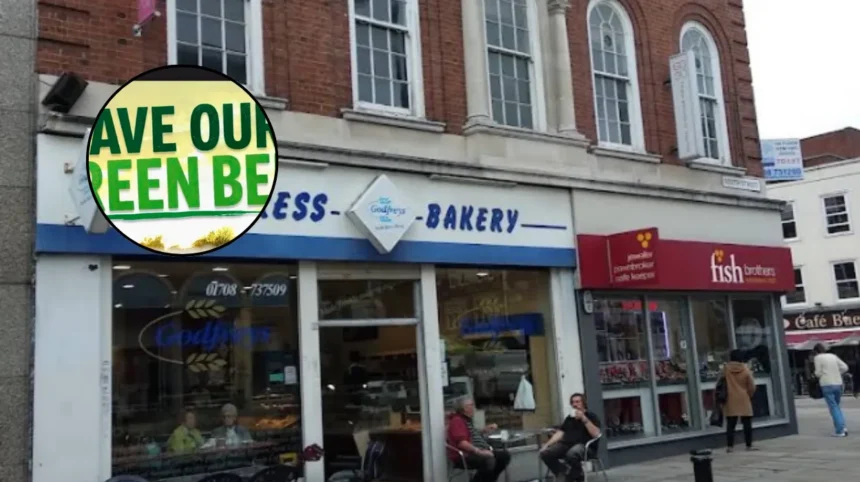
- Green Belt Concerns: Residents and community groups are campaigning to protect green spaces, farmland and wildlife habitats from urban development.
- Infrastructure Strain: Higher housing density could put pressure on GP surgeries, schools, transport networks, roads and emergency services.
- Non-Residential Development: Commercial schemes, including the proposed East Havering Data Centre, are adding to development pressure alongside housing proposals.
- Cumulative Impact: Community groups are calling on decision-makers to consider the combined effect of ongoing proposals rather than assessing each planning application separately.
Havering (East London Times) August 25, 2026 — Across the London Borough of Havering, from the historical streets of Hornchurch and Upminster to the bustling urban centres of Romford, Rainham, Wennington, North Ockendon, and Harold Hill, local communities are confronting an unprecedented wave of housing, regeneration, and infrastructure proposals. As central government targets and regional planning mandates drive housing demand upwards, residents are raising fundamental questions regarding the long-term preservation of Havering’s Green Belt, public infrastructure, and distinct suburban identity.
- Key Points
- Why Is Havering Facing Unprecedented Development Pressure?
- How Will Increased Housing Density Affect Havering’s Local Infrastructure?
- What Is the Future of Havering’s Green Belt Land?
- Background of the Development Pressure in Havering
- Prediction: How This Development Will Affect Havering Residents and Stakeholders
Why Is Havering Facing Unprecedented Development Pressure?
The surge in development applications is no longer confined to isolated pockets of the borough; it represents a comprehensive shift in the land-use profile of East London. Strategic housing requirements across the Greater London area have placed significant pressure on outer boroughs like Havering to absorb expanding population figures.
In Hornchurch, residential proposals have increasingly targeted land adjacent to the Green Belt surrounding Wingletye Lane and Benets Road. Concurrently, Rainham and South Hornchurch continue to absorb large-scale development schemes connected to the London Riverside and Beam Park regeneration corridors. Towards the north, Harold Hill is undergoing major redevelopment, including extensive housing initiatives around Chippenham Road, while Romford remains subject to continuous high-density urban renewal projects. Upminster and Cranham have similarly seen contentious applications affecting open land and established residential zones.
The development landscape extends beyond residential housing. The proposed East Havering Data Centre highlights how commercial, industrial, and digital infrastructure projects are seeking space within the borough. Listed by Havering Council as one of its major planning matters, the project underscores that open spaces across the borough are being targeted for multi-sector expansions.
How Will Increased Housing Density Affect Havering’s Local Infrastructure?
A central pillar of the local community’s concern focuses on the cumulative burden placed on public services and infrastructure. While individual planning applications assess local traffic and environmental impacts in immediate proximity, residents argue that the overall scale of construction threatens to overwhelm public services across the borough.
Key infrastructure pressures highlighted by local groups include:
- Healthcare: Increased patient demand on already stretched local GP surgeries, dental practices, and hospital facilities.
- Education: Heightened competition for primary and secondary school placements across expanding catchment areas.
- Transport and Highways: Exacerbated vehicular congestion on suburban roadways, alongside increased reliance on public bus and rail networks.
- Utilities and Environment: Intensified stress on drainage, sewage systems, flood defences, and local waste collection services.
- Public Amenities: Reduced availability of accessible recreational spaces, parks, and community centres.
Havering Council’s planning policies stipulate that major developments must account for environmental impacts, traffic generation, flood risk, and neighbourhood amenity. Furthermore, statutory regulations mandate public consultation periods, typically lasting 21 days, along with site notices for applications affecting Green Belt designations. Nevertheless, community representatives caution that infrastructure improvements frequently lag behind housing delivery by several years, creating prolonged service deficits.
What Is the Future of Havering’s Green Belt Land?
The preservation of the Green Belt remains the primary point of friction between planning authorities, developers, and local residents. Havering’s geographical position provides a transitional zone between urban Greater London and the rural countryside of Essex. The borough’s open fields, parks, and agricultural borders offer crucial ecological corridors, biodiversity habitats, and recreational space for residents.
Campaigners stress that once Green Belt land is redesignated or built upon, its environmental and agricultural value is permanently lost. While planning frameworks allow for development under exceptional circumstances, local advocacy groups argue that brownfield sites and existing urban land should be fully exhausted before any green space is sacrificed.
Residents utilizing the council’s online planning portal are actively exercising their rights to review application details, submit formal objections, and present counter-arguments during consultation windows. The overarching objective for many local groups is not to block all construction, but to enforce responsible, infrastructure-led planning that safeguards the borough’s environmental character.
Explore More Havering News
Students Urged to Get Free MenB Vaccine Ahead of University Havering 2026
Havering Students Celebrate Outstanding GCSE Results: Havering 2026
Background of the Development Pressure in Havering
The current debate surrounding development in Havering is rooted in decades of regional planning directives and London’s ongoing housing shortage. Under the London Plan—the spatial development strategy produced by the Mayor of London—outer boroughs have consistently been allocated ambitious housing targets to help accommodate the capital’s growing population. Historically, Havering was characterised by its distinct market towns, parish villages, and suburban estates, maintaining a lower density compared to inner London boroughs.
Over the past two decades, economic shifts and Thames Gateway regeneration initiatives pushed industrial and residential expansion eastward along the River Thames corridor. This brought substantial investment to areas such as Rainham and Beam Park. However, as available brownfield sites within urban centres became scarcer and land values rose, developer interest naturally expanded towards open suburban margins and Green Belt boundaries.
The introduction of major infrastructure projects, alongside national planning reforms prioritising rapid housing delivery, has intensified these pressures. Consequently, Havering Council finds itself balancing statutory obligations to meet housing targets against its regulatory duty to protect green spaces and serve the interests of existing residents.
Prediction: How This Development Will Affect Havering Residents and Stakeholders
The trajectory of development decisions in Havering over the coming decade will fundamentally re-shape the daily lives of several key stakeholder groups across the borough.
- Existing Homeowners and Long-Term Residents: Residents are likely to experience sustained pressure on local infrastructure, including longer wait times for medical appointments, increased traffic congestion on primary arterial routes, and heightened competition for school places. Properties bordering newly developed sites may face changes in local character, loss of open views, and construction-related disruptions. Conversely, widespread regeneration may contribute to broader economic investment and updated public facilities in town centres like Romford and Rainham.
- Young People and First-Time Buyers: For younger generations and families seeking accommodation within the borough, the delivery of new housing schemes could increase the supply of modern residential units and affordable housing options. However, if developments favor high-density luxury apartments over genuinely affordable family housing, local housing stress may persist despite high construction volumes.
- Local Businesses and Service Providers: Small business owners in town centres stand to gain from an expanded customer base as population numbers grow. However, commercial service providers and public sector agencies will face operational strain if funding for public infrastructure does not keep pace with population expansion.
- The Local Natural Environment: Should Green Belt protections be weakened in favor of housing allocations, the loss of natural habitats, reduced air quality mitigation, and diminished public green space will permanently alter Havering’s spatial landscape, gradually eroding the suburban-rural boundary that distinguishes the borough from inner London.