Key Points
- Havering Council supports White Ribbon Day and the 16 Days of Action campaign against gender-based violence from November 25 to December 10.
- The campaign theme this year is “Men Challenging Men,” encouraging men to speak up against harmful behaviour and promote respect.
- Councillor Ray Morgon, leader of Havering Council, stressed the need for community action to ensure safety for women and girls.
- A conference on November 25 included participation from the Metropolitan Police, London Fire Brigade, and community groups, focusing on violence against women.
- The conference featured male speakers and presentations from organisations supporting women and girls.
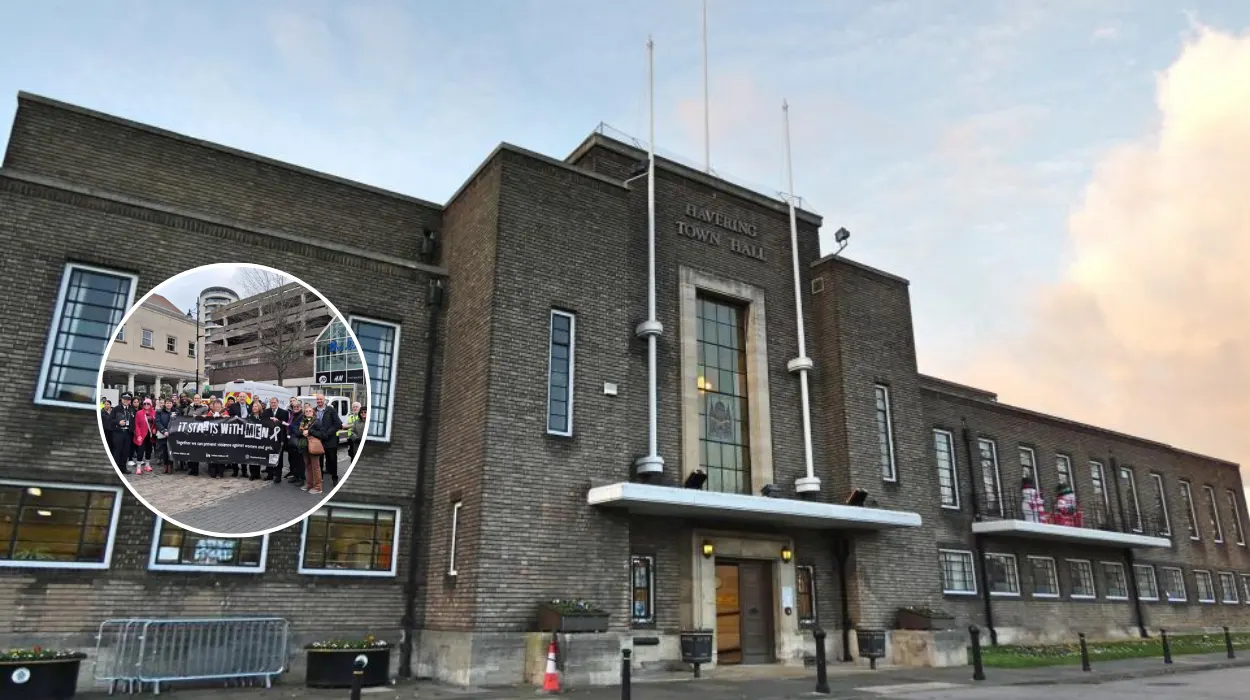
- The White Ribbon Flag was raised outside the town hall by Mayor Councillor Sue Ospreay to mark the campaign’s start.
- Attendees marched through Romford town centre to show solidarity with women and girls affected by abuse.
- Havering Council community safety teams provide ongoing support for women and girls at risk of violence, with presence noted across the borough during the campaign.
What is the 16 Days of Action campaign supported by Havering Council?
Havering Council is backing the 16 Days of Action campaign, which runs annually from November 25 to December 10, aiming to end gender-based violence. This year’s campaign aligns with White Ribbon Day and centres on the theme “Men Challenging Men.” The campaign urges men to speak out against harmful behaviours in their communities and promote respect toward women and girls. The council’s support highlights a commitment to raising awareness and initiating community action to combat domestic violence and misogyny, which remain pressing concerns for many women and girls in Havering.
- Key Points
- What is the 16 Days of Action campaign supported by Havering Council?
- How is Havering Council leading community efforts against violence?
- What activities marked the start of the campaign?
- How did the community show support following the conference?
- What ongoing support does Havering Council provide?
How is Havering Council leading community efforts against violence?
Councillor Ray Morgon, leader of Havering Council, emphasised the borough’s collective responsibility:
“We have once again come together as a community in Havering, to lead on action and to raise awareness.”
He acknowledged the difficulties women and girls face in seeking help and underscored the council’s goal to make the borough a safe place not only in public spaces but also at home, work, and schools. This holistic approach aims to foster an environment where victims feel supported and secure in seeking assistance.
What activities marked the start of the campaign?
On November 25, Havering Council hosted a conference attended by key law enforcement and community organisations, including the Metropolitan Police, London Fire Brigade, YouThrive, and Youth Unity. The event concentrated on addressing violence against women and girls, featuring mostly male speakers who discussed the issue and explored how men can challenge harmful attitudes. Presentations included insight from groups actively supporting local women and girls and police representatives who talked about building trust within the community. Following the conference, the White Ribbon Flag was ceremoniously raised outside Havering Town Hall by Mayor Councillor Sue Ospreay to symbolise the campaign’s commencement.
How did the community show support following the conference?
Demonstrating solidarity, attendees took part in a march through Romford town centre. This public display aimed to raise awareness and show support for women and girls experiencing abuse or at risk. It reinforced the campaign’s message of community involvement and the importance of collective action in tackling gender-based violence. The council’s ongoing commitment is also evident through its community safety teams, who remain active throughout the year, offering support to those in need and maintaining a presence across various locations during the campaign period.
What ongoing support does Havering Council provide?
Beyond the 16 Days of Action campaign, Havering Council’s community safety teams work year-round to assist women and girls who are victims or at risk of violence, domestic abuse, and coercive control. These teams provide vital advice, support, and interventions designed to protect vulnerable individuals. The council reiterates that safety is a priority across all environments—public, private, educational, and workplace—and aims to ensure that all residents feel protected and supported in seeking help.