Key Points
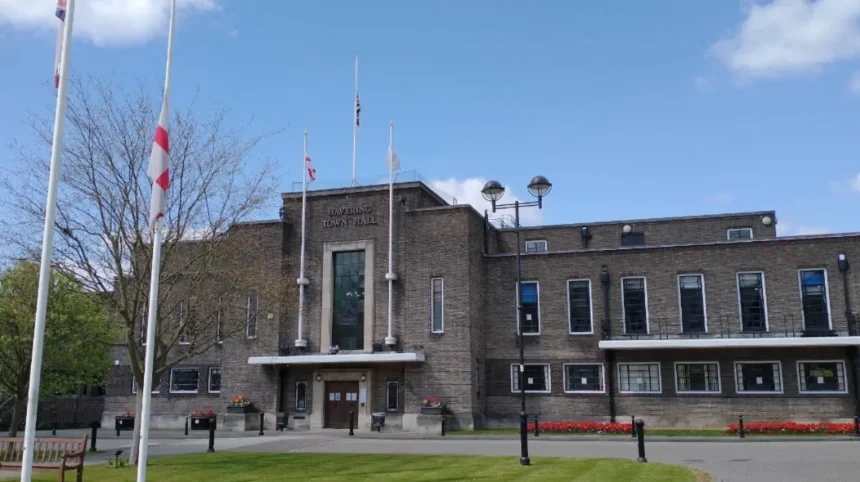
- Commemorative Gathering: Havering Town Hall hosted a poignant remembrance ceremony on Sunday, 12 October, to mark national Baby Loss Awareness Week.
- Civic Address & Statements: As reported by the Romford Recorder, Mayor of Havering, Councillor Themistocli, stated: “The loss of a baby is a heartbreak that no parent should ever have to endure. It is the loss not only of a precious life, but of a lifetime of hopes, dreams, and moments that will never come to be.” Mayor Themistocli further added: “As mayor of Havering, I want every family who has experienced this devastating loss to know that their baby matters, their grief matters, and their child will never be forgotten. Some of the smallest feet leave the deepest footprints on our hearts.”
- Lighting of Candles & Tributes: Bereaved parents, family members, and local figures gathered to light LED candles and place personalised messages on tree branches outside the town hall in memory of babies who died during pregnancy or shortly after birth.
- Community Support: Organized to offer solace and unity, the event highlighted local support networks available across the London Borough of Havering for families navigating grief.
- National Observance: Now in its 24th year, Baby Loss Awareness Week runs nationally from 9 October to 15 October 2026, culminating in the global ‘Wave of Light’ on the final evening.
Havering (East London Times) October 13, 2026 – Families, community members, and local dignitaries assembled at Havering Town Hall on 12 October for a solemn remembrance ceremony held as part of national Baby Loss Awareness Week. The evening event provided a safe, compassionate space for bereaved parents and relatives to honour the memories of babies lost during pregnancy, at birth, or in early infancy. As reported by the Romford Recorder, attendees participated in a collective candle-lighting ceremony and placed personalised messages on tree branches outside the town hall. The gathering reflected a shared commitment across the London Borough of Havering to break the silence surrounding pregnancy and infant loss and to ensure that affected families receive continuous emotional and practical support.
- Key Points
- Why was the Havering Town Hall remembrance ceremony organized?
- What happened during the remembrance service in Havering?
- How does Baby Loss Awareness Week support bereaved families nationally?
- What resources are available for bereaved parents in Havering?
- Background of the particular development
- Prediction: How this development can affect bereaved families and the wider local community
Why was the Havering Town Hall remembrance ceremony organized?
The remembrance ceremony at Havering Town Hall was organized to provide an inclusive, public platform for grief, reflection, and solidarity during Baby Loss Awareness Week. Held annually from 9 October through 15 October, the awareness week aims to bring bereaved parents and families together across the United Kingdom while raising public awareness about the reality of pregnancy and infant loss.
For many bereaved parents, the loss of a baby can be an isolating experience accompanied by social stigma or discomfort around discussing baby loss openly. The Havering gathering offered a local space where families could acknowledge their losses openly alongside others who share similar experiences. By lighting candles during the event, attendees joined a collective act of remembrance that affirms the lasting significance of every young life lost.
The ceremony also aimed to signpost families toward vital local and national support services, ensuring that those affected by bereavement know where to turn for guidance, counselling, and long-term care.
What happened during the remembrance service in Havering?
The ceremony unfolded in a calm and supportive atmosphere within the grounds and hall of Havering Town Hall in Romford. Attendees were invited to gather together, share personal stories, and participate in moments of quiet reflection led by community coordinators and civic leaders.
As reported by the Romford Recorder, during the ceremony, LED candles were lit and personalised messages were placed on tree branches outside the town hall in memory of babies who have died. Each flame lit represented a baby lost to miscarriage, stillbirth, neonatal death, SIDS, or other early childhood complications. The glow of the candles symbolized hope, remembrance, and the persistent warmth of parental love.
As reported by the London Borough of Havering, Mayor Themistocli described the service as “an incredibly moving occasion, bringing families together in a shared moment of love, reflection and remembrance.” Mayor Themistocli stated that “as we lit candles and remembered these precious little lives, we were reminded that although grief is deeply personal, no family should ever have to carry it alone.” The mayor further emphasized that
“Baby Loss Awareness Week is about far more than remembrance. It is about breaking the silence that so often surrounds baby loss, recognising the unimaginable pain experienced by bereaved parents and ensuring that compassion, understanding and support is always available.”
How does Baby Loss Awareness Week support bereaved families nationally?
Baby Loss Awareness Week is an annual national campaign driven by a coalition of charities alongside the national charity Sands (Stillbirth and neonatal death charity). Throughout the week, organizations, local councils, healthcare providers, and individuals across the UK collaborate to host events, light up civic buildings in pink and blue, and lead conversations surrounding pregnancy loss and infant death.
Now in its 24th year, the campaign aims to raise awareness of pregnancy and baby loss, recognise the lasting emotional impact on families, and highlight the need for ongoing bereavement support and understanding.
The week serves three primary purposes:
- Remembrance: Providing opportunities for bereaved parents, families, and friends to commemorate the lives of their babies.
- Awareness: Educating the general public about the prevalence of baby loss, breaking long-standing societal taboos, and encouraging open conversations.
- Improvement: Advocating for better bereavement care standardisation across NHS trusts and supporting research aimed at reducing preventable infant mortality.
The national week culminates on 15 October with the international ‘Wave of Light’, where people around the world light a candle at 7:00 PM local time and leave it burning for at least one hour, creating a continuous wave of light spanning the globe.
What resources are available for bereaved parents in Havering?
Within the London Borough of Havering and the surrounding North East London health care networks, several dedicated services exist to assist families experiencing the loss of a baby:
- Sands (Stillbirth and Neonatal Death Society): Offers national helpline support, local support groups, and online forums designed for parents, grandparents, and siblings.
- Tommy’s: Provides expert midwife-led advice, information on pregnancy loss, and funds research into miscarriage, premature birth, and stillbirth.
- Barking, Havering and Redbridge University Hospitals NHS Trust (BHRUT) Bereavement Services: Specialist bereavement midwives and support teams offer clinical guidance, emotional support, and practical guidance regarding funeral arrangements and memorial services.
- The Mariposa Trust (Saying Goodbye): Delivers supportive services and remembrance services for anyone who has suffered the loss of a baby at any stage of pregnancy, at birth, or in early years.
Background of the particular development
Baby Loss Awareness Week was established in the United Kingdom in 2002 by a small group of parents inspired by Pregnancy and Infant Loss Remembrance Day in the United States. Initially founded by key charities including ARC (Antenatal Results and Choices), Bliss, the Ectopic Pregnancy Trust, the Miscarriage Association, Sands, and the Lullaby Trust, the initiative has grown significantly over the past two decades into a major national movement involving over 100 charities and organizations. Now in its 24th year, it remains a cornerstone campaign for infant loss support across the UK.
In recent years, local councils across Greater London and the wider UK have taken an increasingly active role in supporting the week. Havering Town Hall has regularly participated by hosting memorial events and illuminating local civic structures. These local initiatives align with national efforts to ensure that bereavement support is accessible directly within local communities, recognizing that local government and community hubs play a vital role in fostering inclusive social care and compassionate environments for grieving residents.
Prediction: How this development can affect bereaved families and the wider local community
The continued staging of remembrance events like the Havering Town Hall ceremony is expected to have a lasting, positive impact on several key groups within the borough:
- Impact on Bereaved Parents and Families: Regular civic recognition of baby loss helps reduce feelings of isolation and shame often associated with pregnancy loss. Families attending future services will likely benefit from stronger peer-support networks, increased emotional resilience, and clearer pathways to professional counselling services available in Havering.
- Impact on Healthcare Providers and Local Services: Public commemorations keep baby loss on the local public health agenda. This ongoing visibility encourages local NHS trusts, including Barking, Havering and Redbridge University Hospitals NHS Trust, to continuously review and refine their maternity and bereavement care pathways, ensuring that staff are equipped with up-to-date, compassionate bereavement training.
- Impact on the Wider Havering Community: By bringing baby loss into the civic sphere, the ceremony fosters greater public understanding and empathy. Friends, extended family members, and colleagues of bereaved parents become better equipped to offer meaningful support, gradually dismantling historical taboos around discussing infant loss in everyday social and workplace settings.