Key Points
- Reform UK won 39 of 55 seats on Havering Council, gaining control from no overall control.
- Havering Residents’ Association (HRA) secured 14 seats, down 15 from previous.
- Labour held 2 seats in Beam Park ward; Conservatives lost all 14 seats.
- Turnout was 45.91%.
- Reform UK’s victory marks the party’s first control of a London borough.
- Nigel Farage called it a “historic shift in British politics.” (Note: Attribution from query and confirmed in BBC coverage.)
- Local Reform leader Keith Prince described it as an “historic night here in Havering.”
- Election held on 7 May 2026; results confirmed early morning 8 May.
- Havering areas include Romford, Upminster, Rainham; historically leaned to independents and Conservatives.
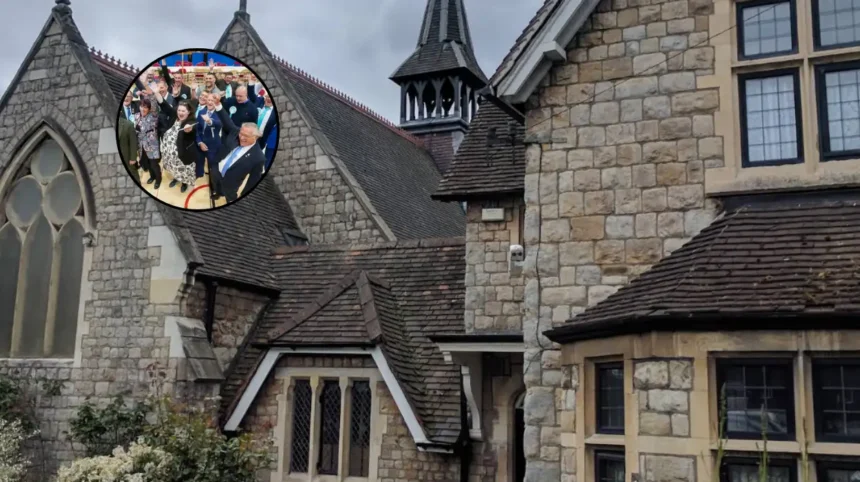
Havering (East London Times) May 14, 2026 – Reform UK has taken control of Havering Council with 39 seats out of 55, marking the party’s first major breakthrough in a London borough and ending years of fragmented control by residents’ associations and Conservatives.
Reform UK gained 36 seats in a dramatic swing, unseating the dominant Havering Residents’ Association (HRA) which fell to 14 seats and the Conservatives who were wiped out with zero seats. Labour clung to two seats in Beam Park ward. The result, confirmed after counts into the early hours, gives Reform an overall majority in the 55-seat council.
As reported by journalists at the Evening Standard, local Reform leader Keith Prince said it was an “historic night here in Havering.” Party leader Nigel Farage hailed the outcome as part of a “historic shift in British politics,” according to BBC coverage.
Why Did Reform UK Win Havering Council in 2026?
Havering, encompassing Romford, Upminster, Rainham, and other areas, has long been politically distinct, often favouring local independents over national parties. Prior to the election, the council had no overall control, with HRA holding 25 seats, Conservatives 14, Labour 8, and Reform already at 3 following defections.
Going into the 7 May poll, projections from PollCheck suggested Reform could take 30 seats, but they exceeded this with 39.
As detailed in New East Londoner reporting, Reform swept wards like Gooshays (Keith Prince, Liz Tyler, Robert Whitton), Hacton (Geoff Burgess, Julie Wilkes), and Heaton (Khuram Amin, Kevin Ayres, Iurie Bivol).
Residents’ groups held some ground, such as Hornchurch Residents Association in Elm Park (Kimberley Gould, Barry Mugglestone, Stephanie Nunn) and independents in Cranham (Gillian Ford, John Tyler, Lesley Tyler) and Harold Wood (Brian Eagling, Martin Goode, Darren Wise). Labour’s Trevor McKeever and Matthew Stanton retained Beam Park.
Turnout reached 45.91%, with 40 of 55 councillors confirmed by mid-count, Reform leading at 30. ITV News London noted this as part of broader Reform gains, including Essex County Council.
What Were the Seat Changes in Detail?
The full breakdown shows Reform’s dominance: from 3 seats pre-election (via defections) to 39. HRA dropped from around 23-25 to 14. Conservatives lost all 14, Labour from 8-9 to 2.
Boundary changes increased seats from 54 to 55. As per Standard.co.uk, this shifted control from “no overall control” to Reform majority.
Nigel Farage, speaking outside the council on 8 May, said:
“All I would say is people ought to have the choice to make a decision on [Havering’s inclusion in Greater London],”
noting local resentment since 1965, according to Local Government Lawyer.
How Does This Fit National Trends?
Analysts described Havering as one of the 2026 local elections’ biggest shocks. Reform’s win aligns with national gains, humiliating Labour (down 1,300 seats) and Conservatives. BBC reported Farage viewing it as a
“truly historic transformation,”
winning in traditional Tory and even Labour areas.
New East Londoner confirmed:
“Havering has been won by Reform UK after the party gained majority control… first London council win.”
PollCheck’s 98% probability of change proved accurate.
Pre-election, BBC noted Havering’s unconventional coalitions: HRA displaced Conservatives in 2022 with Labour support, later minority admin. Three Tory defections boosted Reform early.
Explore More Havering Council News
Reform UK Appoints New Havering Leaders After Election 2026
Havering Reform Win, Hackney Green Mayor 2026
Background of the Development
Havering Council has a history of no overall control in 10 of 16 elections since 1964. In 2022, Conservatives and HRA each took 23 seats, Labour 9; coalition formed then shifted. Defections, including Romford MP Andrew Rosindell’s influence, aided Reform.
The borough, outer East London, leans less Labour than inner areas, with markets like Romford’s ancient one. Issues included dissatisfaction with national parties, per pre-poll BBC analysis. Reform capitalised, as projections showed.
Prediction: Impact on Havering Residents
This development gives Reform UK its first London platform to implement policies on local issues like housing, services, and potential devolution debates. Havering residents may see shifts in council priorities, such as budget allocations and planning, under Reform majority control.
With HRA as opposition, scrutiny on governance could intensify, affecting service delivery in areas like Romford and Upminster. Broader East London politics may feel ripple effects, as Reform tests borough management ahead of national contests.
Voters in similar outer boroughs might witness competitive dynamics, influencing future turnout and alignments. Daily operations, from waste to parks, remain council-focused, with new leaders like Keith Prince steering.