Key Points
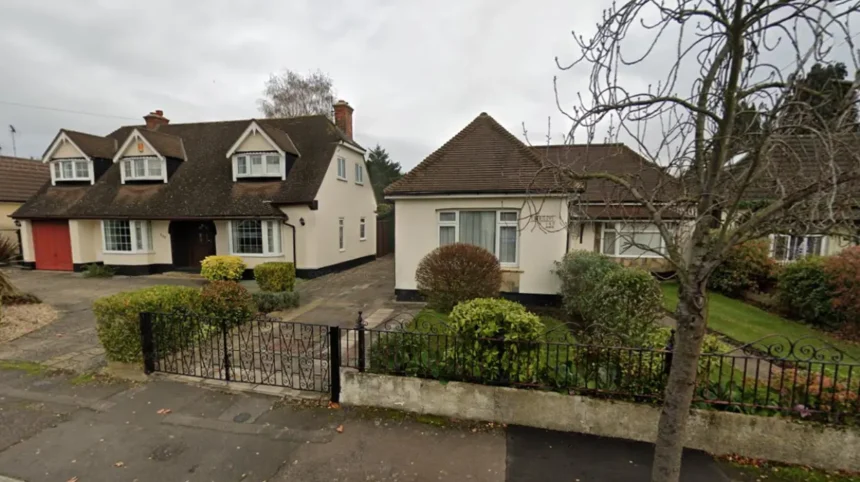
- Fresh Planning Bid: Natalie Maguire has submitted a new planning application to Havering Council seeking permission for part-time commercial use of an existing residential swimming pool at 139 Haynes Road, Hornchurch.
- Focus on SEND Children: The business specifically caters to children with Special Educational Needs and Disabilities (SEND), including those with Down Syndrome, ADHD, autism, pathological demand avoidance (PDA), sensory processing disorders, and cerebral palsy.
- Prior Enforcement Action: Havering Council served an enforcement notice on 16th June, ordering the property to cease private hire swimming lessons and pool hire, citing breaches of planning control, traffic generation, and parking issues.
- Mitigation Strategies: Maguire’s updated submission proposes restructuring lessons, introducing a 15-minute gap between classes, capping class sizes at two pupils, and guaranteeing all participant vehicles park on the private driveway.
- Previous Refusals: Plans for the commercial venture were initially submitted in September 2025 but were refused by local planning authorities in January.
Hornchurch (East London Times) September 24, 2026 – A residential property owner in Hornchurch has lodged a fresh planning application with Havering Council in an attempt to retain a specialized swimming facility for children with Special Educational Needs and Disabilities (SEND), following previous enforcement action that shut the operation down.
- Key Points
- What Were the Grounds for Havering Council’s Enforcement Notice?
- How Has the Applicant Revised Her Operational Plans to Address Parking Concerns?
- Why Does the Applicant Argue This Specialist SEND Service Is Crucial for the Local Community?
- Background of the Particular Development
- Prediction: How This Development Could Affect the Local Community and Stakeholders
As reported by the Romford Recorder, an official planning application has been submitted to the local authority seeking permission for part-time commercial swimming lessons at 139 Haynes Road, Hornchurch. The fresh submission, made by resident and applicant Natalie Maguire, comes in the wake of an enforcement notice served by Havering Council in June after local planners determined that operating a commercial swim school from the private residence constituted an unauthorized change of use and breached local planning regulations.
What Were the Grounds for Havering Council’s Enforcement Notice?
The initial regulatory intervention was initiated after the local authority determined that the residential pool was being used for unauthorized commercial hire and private tuition.
As reported by the Romford Recorder, the formal enforcement notice served by Havering Council ordered the property owners to “cease the business use of the land for private hire swimming lessons or for pool hire.” Furthermore, the enforcement directions required the owners to “remove from the site all fittings, furniture and equipment associated with the business use.”
According to details contained within the enforcement notice, council officers asserted that using the residential site as a commercial swimming enterprise significantly heightened both general footfall and vehicular movements in the immediate vicinity. Council planners concluded that this increased activity was “detrimental to the living conditions” of neighbouring residents. In addition, local authority inspectors highlighted that the increased demand for parking generated by attending clients could not be safely or fully accommodated within the curtilage of the residential plot.
How Has the Applicant Revised Her Operational Plans to Address Parking Concerns?
In response to the reasons for refusal and the subsequent enforcement notice, Maguire has revised her operational model to directly counter the council’s highway and amenity concerns.
As reported by the Romford Recorder, Maguire explained her reaction to the enforcement action, revealing that she was “very disappointed” to receive the notice and felt “very sad” for the young pupils who were suddenly left without specialist aquatic instruction. Addressing the council’s previous objections regarding highway congestion, Maguire confirmed that in the new planning application, she has “applied to adapt the structure of my lessons to ensure that all cars are parked on the driveway at all times.”
Speaking to the Romford Recorder, Maguire stated:
“After receiving and adhering to the enforcement order, I have submitted a new application with revised plans. I have adjusted the plans to ensure that lessons are structured so that all cars can park on the drive and will not be parked in the road.”
Maguire further noted that these operational adjustments align with standard planning conditions applied to two other private swim schools operating within the London Borough of Havering.
Why Does the Applicant Argue This Specialist SEND Service Is Crucial for the Local Community?
The applicant’s submission highlights a critical shortage of inclusive sports infrastructure and tailored educational provision for neurodiverse children within the borough.
As reported by the Romford Recorder, Maguire explained that her service caters to children diagnosed with Down Syndrome, ADHD, autism, pathological demand avoidance (PDA), sensory processing disorders, and cerebral palsy. She emphasized that a significant portion of her students are non-verbal and “have been turned away from other swim schools who have refused to teach them.”
Underlining the national statutory requirements for primary education, Maguire told the Romford Recorder:
“Swimming is not only a life skill but is also part of the school curriculum in that all children are expected to be able to swim 25 metres before they leave year 6.”
Maguire added that the service provides crucial respite for families:
“My lessons provide the parent with the opportunity to have a respite break while I support their child in the water while also teaching them to swim. As a parent who has adopted children with special education needs I have a very good understanding of being able to teach swimming whilst also understanding the needs of the child.”
To ensure compliance with local authority planning guidelines, Maguire has outlined clear operational commitments. As reported by the Romford Recorder, if the application is approved, she intends to schedule a mandatory 15-minute staggered gap between each lesson to prevent vehicle overlap, ensure a maximum of four cars are on her private driveway at any given moment, and cap class sizes to just two children per session.
“Either of these options would mean that there are no cars parked on the road when attending lessons, as per the other two swim schools in the area,” Maguire added.
Background of the Particular Development
The planning dispute at 139 Haynes Road forms part of a broader ongoing conflict between private residential developments and local planning enforcement within the London Borough of Havering. Planning records show that initial proposals to run a commercial swimming business from the property were first submitted to Havering Council in September 2025, but were formal refused by planning officers in January.
Despite this refusal, the business continued operating, culminating in the formal planning enforcement notice issued on 16th June. Under local planning laws, operating a commercial enterprise from a domestic dwelling without appropriate change-of-use authorization (C3 residential to mixed-use) leaves property owners vulnerable to enforcement action if the intensity of the activity alters the residential character of the neighborhood.
Haynes Road itself has recently seen heightened scrutiny from Havering Council’s enforcement team. Alongside the enforcement notice served on 139 Haynes Road in June, neighboring properties have also faced council orders regarding unauthorized building works, unapproved alterations, and residential overdevelopment, signaling a robust approach by local authority planners to preserve suburban amenity and prevent traffic congestion in quiet residential streets.
Prediction: How This Development Could Affect the Local Community and Stakeholders
The decision by Havering Council regarding the application at 139 Haynes Road will set a notable precedent for home-based micro-businesses and specialized educational facilities across the borough.
For Local SEND Families and Pupils
If the application is approved, neurodiverse children and families across Havering will regain access to an essential, highly tailored educational resource. For non-verbal children and those with severe sensory needs who struggle in public leisure center environments, the specialized setting provides one of the few viable avenues to achieve national curriculum swimming standards and acquire vital water safety skills. Approval would also offer much-needed respite care for parents caring for children with complex needs. Conversely, if the council rejects the revised scheme, these pupils face being permanently excluded from local swimming instruction due to a lack of suitable alternative providers willing to accommodate severe disabilities.
For Immediate Haynes Road Residents
For neighbours residing on Haynes Road, the outcome directly impacts local residential amenity, parking availability, and traffic flow. Should the council grant permission, nearby residents will monitor the property closely to verify whether the proposed 15-minute lesson gaps and driveway parking commitments successfully prevent highway obstruction. If the applicant strictly adheres to the four-car driveway limit, street parking pressure may remain minimal. However, if vehicle overlaps occur during peak hours, residents could experience recurring noise disturbance and access friction, potentially triggering further complaints to local ward councillors.
For Havering Council and Home-Based Businesses
A refusal from Havering Council would reaffirm the local authority’s strict stance against the commercialization of suburban residential properties, prioritizing highway safety and residential quietude over micro-enterprise expansion. Conversely, an approval with robust planning conditions could establish a workable legal blueprint for other home-based specialists—such as private tutors, therapists, and sports coaches—demonstrating how small-scale community services can successfully adapt their operations to satisfy local statutory planning policies.