Key Points
- Offender Convicted: Sukhvir Raj was sentenced to two years and eleven months in prison at Snaresbrook Crown Court after targeting young women in Hornchurch High Street.
- Specific Incident Locations: The sexual assaults took place inside prominent commercial venues on Hornchurch High Street, including branches of Boots and Starbucks.
- Extensive Offending History: Raj was previously known for repeatedly avoiding prison sentences despite prior criminal offences, including carrying knives, attacking his father, and threatening to stab a neighbour.
- Substance Abuse and Mental Health Claims: Defence counsel noted that Raj struggled with severe alcohol dependency, drinking a bottle of whisky daily, and hard drug abuse. Claims of mental health issues were made without supporting medical evidence.
- Custodial Sentence Details: Under the sentence handed down by Judge Gordon, Raj will serve up to one-third of his 35-month term in custody before becoming eligible for release on licence, after which he intends to relocate to Bristol.
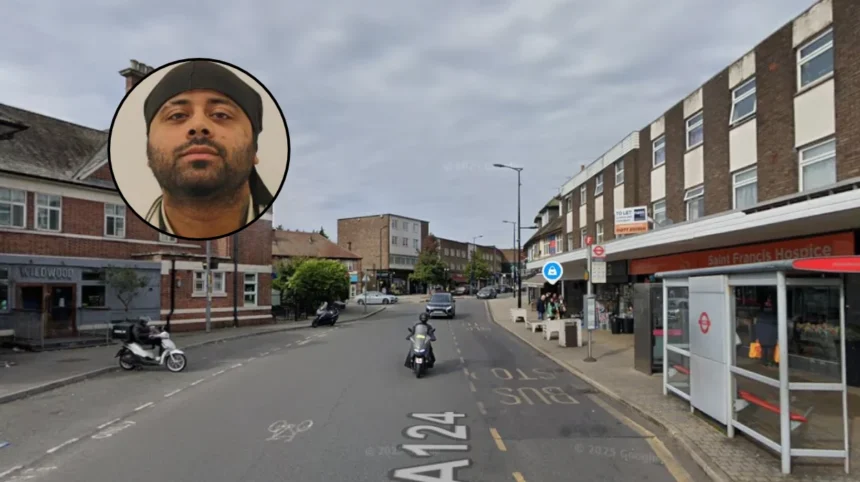
Hornchurch (East London Times) October 24, 2026 – A violent offender who had repeatedly avoided prison despite a history of knife offences and domestic violence has finally been jailed after launching sexual attacks on young women inside commercial premises on Hornchurch High Street.
As reported by Josh Bolton of the Romford Recorder and the Southend Echo, Sukhvir Raj was sentenced at Snaresbrook Crown Court to two years and eleven months in prison after being convicted of two counts of sexual assault, attempted sexual assault, and breaching a restraining order.
What Led To The Court Proceedings Against Sukhvir Raj?
As reported by Josh Bolton of the Romford Recorder, the court heard details of how Raj targeted young women in high-profile locations along Hornchurch High Street, specifically targeting victims inside popular retail outlets including Boots and Starbucks. In one instance described during proceedings, a victim was left deeply uncomfortable when Raj subjected her to persistent harassment, although he did not physically touch her during that specific interaction.
Despite ongoing contact with the legal system, Raj remained free in the community and committed further offences. In February, he was made subject to a restraining order following an assault on his father. However, just three days after the order was imposed, Raj returned to his father’s residence in Romford. As detailed by Court and Crime Reporter Josh Bolton, court disclosures revealed that Raj subjected his father to continuous abuse and threats. The victim recalled feeling too terrified to report the incident or defend himself out of fear that Raj would kill him. Police eventually intervened in April to arrest Raj.
What Arguments Were Presented In Defence Of The Accused?
As reported by Josh Bolton of the Romford Recorder, defence counsel Siddick Gokhool told the court that his client was struggling with severe mental health issues at the time of the offences, though no official medical evidence was presented to validate the claim. Addressing the lack of medical verification, Judge Gordon observed that Raj was consuming a bottle of whisky every day alongside hard drugs, noting that heavy substance abuse likely contributed to his actions.
According to statements provided by defence advocate Siddick Gokhool as cited by Josh Bolton, Raj expressed remorse over the incidents, claiming he had never behaved in such a manner before and could not explain his actions. Mr Gokhool told the court that Raj expressed remorse towards his victims, the police, and the judiciary. Furthermore, defence representation submitted that Raj intends to relocate to Bristol upon his release from custody, where he hopes to find employment, reform his behaviour, and support his parents as their only son.
What Was The Final Ruling By Snaresbrook Crown Court?
As reported by Josh Bolton of the Romford Recorder, Judge Gordon handed down a total custodial sentence of two years and eleven months (35 months). Under the terms of the sentence, Raj will serve up to one-third of his term in custody before being released on licence into the community.
What Is The Background Of This Particular Development?
The sentencing of Sukhvir Raj marks the culmination of a series of legal interventions involving an offender who had repeatedly avoided immediate custodial terms despite a growing track record of violent and threatening behaviour. Prior to his convictions for the sexual assaults in Hornchurch, Raj had accumulated a history of violent conduct that included carrying knives, making threats to stab a neighbour, and physically assaulting his father.
Despite these escalating violent incidents, Raj continued to receive non-custodial outcomes or conditional orders, such as the restraining order issued following the domestic assault against his father. His immediate breach of that order within three days demonstrated a pattern of non-compliance with court directives. The eventual criminal proceedings at Snaresbrook Crown Court addressed both his persistent breach of court orders and the escalating danger posed to the general public through random sexual targeting of women in commercial premises.
How Could This Development Affect The Local Community And Stakeholders?
The incarceration of Sukhvir Raj and the details disclosed during his trial at Snaresbrook Crown Court have direct implications for several groups within the local area:
- Local Shoppers and High Street Visitors: The custodial sentence removes a repeat offender from public spaces, directly addressing safety concerns for women and workers frequenting commercial establishments on Hornchurch High Street.
- High Street Retailers and Staff: Businesses operating in town centres—particularly staff working in high-traffic retail outlets such as Boots and Starbucks—rely on visible judicial outcomes to deter predatory behaviour within their premises and maintain a safe environment for employees and customers.
- Community Confidence in the Justice System: The case highlights ongoing public and legal scrutiny surrounding non-custodial sentences for repeat violent offenders. The judicial decision to enforce a multi-year prison sentence provides a measure of accountability following repeated breaches of court orders, while the early licence release provisions remain a focal point for community safety observers.