Key Points
- Contractor Mistake: Havering Council contractor Mears mistakenly removed the garage roof of Rainham resident Paul Fredericks on August 28, believing it belonged to the council-owned adjacent property.
- Hazardous Debris: Mr Fredericks, a tradesman, reported finding asbestos-containing roofing panels piled up on adjoining garages and asbestos dust contaminating his personal belongings and tools.
- Replacement Quality: The homeowner alleged that the replacement panels fitted by contractors appeared second-hand, allowing rain and light to enter the structure.
- Complaint Dismissed: Havering Council’s housing services rejected Mr Fredericks’ formal complaint, maintaining that qualified specialist contractors had removed all materials safely and professionally.
- Ongoing Distress: Due to fear of asbestos contamination, Mr Fredericks has been forced to leave his garage unused and purchase new equipment rather than retrieve his locked-in tools.
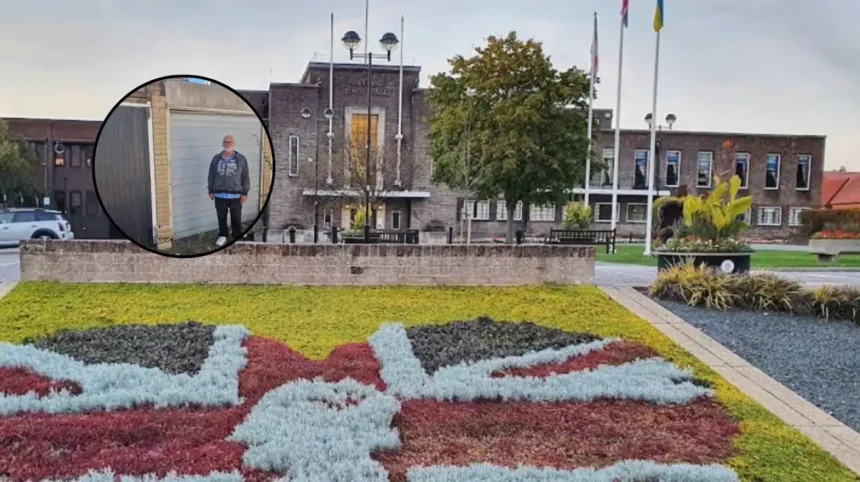
Rainham (East London Times) September 23, 2026 — A Rainham resident has voiced strong criticism against Havering Council after returning home from work to discover that council contractors had mistakenly stripped the roof off his garage and left hazardous asbestos debris on neighboring properties. Paul Fredericks, who works within the building trade, stated that contractors representing Mears—a firm acting on behalf of Havering Council—arrived at Chafford Walk on August 28 intending to dismantle the roof of an adjacent council-owned property. However, the workers proceeded to strip the roofing panels directly off Mr Fredericks’ private structure instead. Upon arriving home, Mr Fredericks noticed that the garage block looked noticeably altered. Observing the scene from his upstairs bedroom window, he discovered that his entire roof had been removed and the materials, which contained asbestos, had been stacked onto adjoining garage roofs and left unattended.
- Key Points
- What lead to the accidental garage roof removal in Rainham?
- How did Havering Council respond to the resident’s formal complaint?
- What damage was caused to the garage and personal contents?
- How has the incident affected the homeowner’s daily routine?
- Background to the development
- Predictions: How this development may affect local residents and property owners
What lead to the accidental garage roof removal in Rainham?
According to statements provided by Mr Fredericks, the disruption occurred when Havering Council dispatched contractors from Mears to address the roofing of a council-owned garage situated directly next to his own. Rather than limiting work to the council asset, the workers inadvertently removed the roofing panels belonging to Mr Fredericks’ private garage. Recognising the building materials involved, Mr Fredericks immediately identified the potential health hazards associated with the dismantled panels. Speaking on the incident, Mr Fredericks noted that he observed the council-appointed team stripping the entirety of his garage roof before piling the asbestos-containing panels across adjoining structures within the block.
How did Havering Council respond to the resident’s formal complaint?
Following the discovery, Mr Fredericks lodged a formal complaint regarding the incident and the disposal of the materials with Havering Council’s housing services department. Upon reviewing the submission, Havering Council formally rejected the complaint, refusing to uphold the allegations of improper handling or negligence. In their official written response, council representatives stated that all asbestos-containing roofing materials associated with the site works were professionally removed by an appropriately qualified and competent specialist asbestos contractor. Despite this assurance from local authority officials, Mr Fredericks maintained that the execution of the work left much to be desired in terms of site safety and structural restoration.
What damage was caused to the garage and personal contents?
In addition to the initial dismantling, Mr Fredericks raised concerns regarding the quality of the replacement roofing installed over his garage. He alleged that the contractors fitted second-hand panels onto his property, which failed to form a watertight seal and allowed both natural light and rainfall to penetrate the interior. Furthermore, Mr Fredericks expressed severe concern over the state of the items stored within the building, reporting that his tools and equipment were left covered in asbestos dust. As a professional in the construction trade, he highlighted that his garage was densely filled with valuable tools and work materials essential to his livelihood, all of which he now considers hazardous to access or touch.
How has the incident affected the homeowner’s daily routine?
The ongoing situation has left Mr Fredericks unable and unwilling to enter his own property due to fear of health risks tied to asbestos exposure. He stated that the fear of inhaling or spreading toxic dust has prevented him from retrieving items necessary for his daily work. Instead of accessing the tools stored inside his garage, Mr Fredericks explained that he has felt compelled to spend additional money purchasing brand-new tools and equipment to carry on his trade. He confirmed that the risk associated with entering the garage remains too significant, leaving the structure effectively off-limits until proper remediation and reassurance are provided.
Background to the development
Asbestos was widely used across the United Kingdom construction industry throughout the 20th century, particularly in prefabricated garage roofs, cladding, and insulation panels, before being completely banned in 1999 due to severe health risks, including mesothelioma and lung cancer. Local councils across London, including Havering Council, routinely undertake maintenance schedules to safely remove and replace aging asbestos infrastructure on municipal housing estates and garage blocks. Due to the high risks associated with airborne fibers, UK health and safety regulations strictly govern the dismantling, transport, and disposal of asbestos-containing materials. These guidelines require specialized licensed contractors to contain the work area, wear specialized protective equipment, and prevent cross-contamination to neighboring private properties during structural maintenance.
Predictions: How this development may affect local residents and property owners
This development could have several wide-ranging implications for local residents, private property owners, and public authorities operating within the London Borough of Havering:
- Increased Scrutiny on Council Contractors: Local homeowners living adjacent to council-owned properties may demand stricter verification processes and clearer site boundaries before maintenance teams initiate structural work on shared or adjoining garage blocks.
- Financial and Health Anxiety for Property Owners: Private owners facing similar contractor mistakes may incur unexpected out-of-pocket expenses to purchase replacement equipment or pay for independent environmental contamination testing to verify the safety of their structures.
- Policy Reviews for Local Authorities: Havering Council and its contractor Mears may face heightened pressure to re-evaluate their formal complaints procedures and oversight protocols for sub-contracted specialist teams to prevent miscommunication regarding property boundaries.
- Precedent for Environmental Claims: Unresolved complaints regarding potential asbestos dust contamination could prompt affected residents to seek independent legal or health and safety advice, potentially influencing how local councils handle damage claims arising from maintenance errors.