Key Points
- Five businesses in the area of Havering, of which four sit in the heart of Romford town centre, have officially applied for the ability to keep their outdoor seating spaces.
- These applications were submitted to the council of Havering through Section 2 of the Business and Planning Act of 2020.
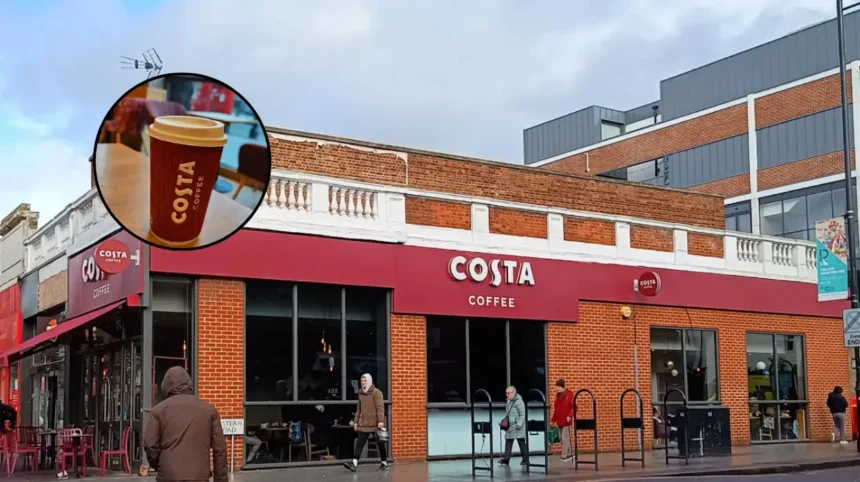
- These local places applying for the licence include Costa Coffee at 83 South Street, Café Bueno at High Street, Cobe at South Street, Café Fino at Market Place, and Osteria Due Amici.
- These licences would permit the businesses to use removable furniture in the public footways to sell food and beverages to customers who are sitting.
- The public consultations organised by Havering Council will close by mid-September 2026.
Havering (East London Times) September 12, 2026 – Five cafes and restaurants across the London Borough of Havering have submitted formal applications to Havering Council to retain their pavement licences, aiming to maintain outdoor seating areas for customers along busy high streets.
Which Havering Businesses Have Applied For Outdoor Seating Extensions?
As reported by the Romford Recorder, five local food and drink establishments have lodged regulatory applications with the local authority under Section 2 of the Business and Planning Act 2020. The legislative pathway provides a streamlined, fast-track process for hospitality businesses seeking to place removable furniture—such as tables, chairs, and barrier units—on public highways adjacent to their premises.
The vast majority of the applicant businesses are located within Romford town centre. As noted in municipal filings published by Havering Council, the specific premises applying to retain pavement seating facilities comprise:
- Costa Coffee – Located at 83 South Street, Romford (RM1 1NL).
- Café Bueno – Situated at 4 High Street, Romford (RM1 1HR).
- Cobe – Based at 165–167 South Street, Romford (RM1 1PS).
- Café Fino – Situated at 88 Market Place, Romford (RM1 3ER).
- Osteria Due Amici – A local dining establishment operating within the borough.
According to statutory application notices released by Havering Council’s licensing department, each business is seeking formal permission to serve food and beverages to patrons in dedicated spaces on the public footway directly outside their store fronts.
What Regulations Govern Pavement Licences In The London Borough Of Havering?
As detailed in guidelines published by Havering Council, the pavement licensing process was originally introduced under emergency pandemic legislation—the Business and Planning Act 2020—to assist the hospitality sector during trading restrictions. The mechanism allows venues to extend their dining capacity onto footpaths without undergoing the traditional, lengthier planning permission process.
To secure approval, applicants must meet precise council criteria. Under local and national statutory conditions:
- Premises must maintain minimum pedestrian clearance standards—typically requiring a clear width of at least 1.5 metres (with larger buffers encouraged) to ensure smooth footfall and accessibility for disabled pedestrians or those using mobility aids.
- Operators are required to maintain a minimum of £5,000,000 in public liability insurance covering the external seating footprint.
- Furniture placed on the highway must remain strictly removable, enabling quick clearance outside operating hours or during maintenance work.
Public consultation windows for the five applications run through mid-September 2026, allowing local residents, traders, and civic stakeholders to submit representations regarding highway access, noise, or public safety.
Background To The Business And Planning Act 2020 Provisions
The regulatory regime surrounding outdoor dining underwent significant development following the COVID-19 pandemic. Introduced in July 2020, the Business and Planning Act established emergency provisions that allowed local authorities in England and Wales to grant temporary pavement licences within weeks rather than months.
Following subsequent updates to secondary legislation and permanent planning reforms under the Levelling-up and Regeneration Act, local councils retain the authority to issue multi-year pavement permits. These powers balance high street activation against footway accessibility standards. In Havering, pavement licenses remain an essential tool for urban regeneration, helping town centers like Romford maintain vibrant street scenes while providing local eateries with crucial additional cover counts during peak trading seasons.
Prediction: How Will This Development Impact Havering Stakeholders?
If approved by Havering Council’s licensing committee, these pavement licence renewals will impact three main audience groups:
- Local Consumers and Visitors: Residents in Romford and Havering gain continued access to open-air social space and outdoor dining along primary retail thoroughfares like South Street, Market Place, and High Street. This preserves town centre vibrancy and aligns with evolving consumer demands for outdoor amenities.
- Hospitality Operators: Retaining external seating allows business owners to maintain elevated customer capacity without incurring property expansion costs. For coffee shops and casual dining venues navigating high operating costs, outdoor seating often provides the margin required to maintain profitability during spring and summer trading windows.
- Pedestrians and Mobility Groups: Enforcement of the 1.5-metre clearance rule remains critical. Strict monitoring by municipal officers ensures that outdoor tables and barriers do not create bottlenecks or navigation hazards for wheelchair users, parents with pushchairs, or visually impaired visitors traveling through Romford’s busiest pedestrian corridors.