Key Points
- ONS Figures Reveal Pub Net Loss: Office for National Statistics data show Havering had approximately 85 registered pubs and bars in 2001 compared to around 65 in 2024—a net reduction of roughly 24 per cent.
- Significant Drop in Nightclub Venues: Official Havering Council documentation recorded four major nightclubs in Romford town centre in June 2009, which dropped to two within the centre and one on its edge by February 2024.
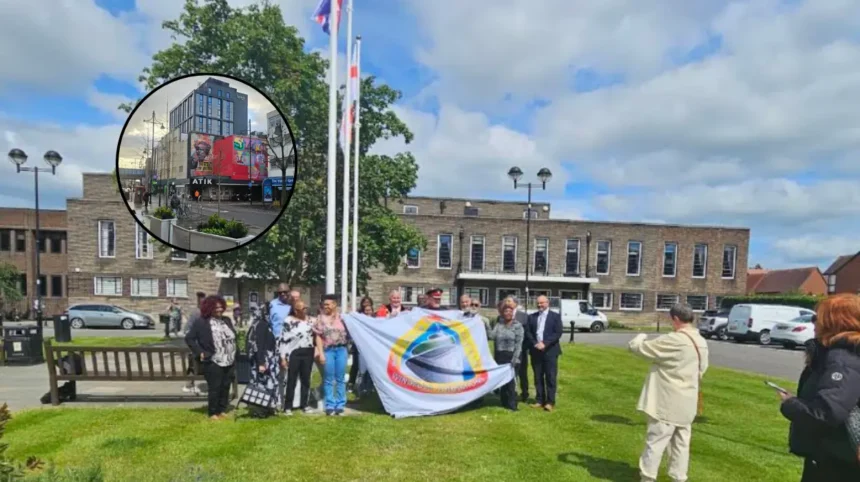
- Redevelopment of Key Nightlife Sites: Former major nightlife hubs, such as the ATIK nightclub site at 108 South Street, face redevelopment plans. Havering Council considered proposals in October 2025 to replace the building with 285 co-living homes, café space, and community areas.
- Shifting Town-Centre Footfall: The council’s 2024 Retail and Town Centres Study found that late-night activity in Romford has become concentrated around the southern section of South Street, with lower footfall across other parts of the town centre.
- Broad Economic Pressures: Traditional drinking and entertainment venues across the borough continue to navigate rising operating costs, higher energy bills, staffing pressures, and shifting consumer habits.
Romford (East London Times) October 12, 2026 — Havering has seen a sustained reduction in its total number of pubs and bars over the past two decades, while Romford’s historic reputation as a premier regional nightlife destination has undergone substantial structural changes. According to official business-register data published by the Office for National Statistics (ONS), the London Borough of Havering recorded approximately 85 pubs and bars in 2001, compared with around 65 in 2024. This change represents a net loss of approximately 20 licensed premises, marking a decline of roughly 24 per cent. The figures focus specifically on registered businesses classified primarily as pubs or bars and do not account for every licensed premises, nor do they imply that exactly 20 individual establishments closed without new businesses opening during the same period. However, the data highlights a broader shift in the borough’s commercial and community landscape.
How Has Romford’s Nightlife Economy Changed Since 2009?
For generations, public houses across Havering served as core social infrastructure where residents met friends, celebrated family occasions, watched live sports, and held community events. Romford’s extensive network of late-night venues previously established the town centre as an entertainment hub for revellers from across East London and Essex.
According to a Havering Council report published in June 2009, Romford town centre alone hosted 21 pubs and bars alongside four major nightclubs. The report estimated that approximately 11,000 visitors entered the town centre on peak Friday and Saturday nights. Furthermore, the town boasted 43 restaurants and cafés, a 16-screen cinema, and a bowling alley, cementing its status as a major destination for late-night leisure.
By February 2024, a subsequent council report titled the Retail and Town Centres Study recorded a distinct change in the local market. The study identified just two nightclubs remaining within Romford town centre, with a third situated on its immediate periphery. It further observed that traditional pubs, bars, and wine bars were under-represented in the town relative to national averages.
Redevelopment proposals have since targeted former entertainment venues. In October 2025, Havering Council considered planning applications for the former ATIK nightclub site at 108 South Street, which involved demolishing the existing building to construct 285 co-living residential units alongside ground-level café and community facilities. Venues such as Jukebox at 72–74 South Street continue to operate and provide late-night music and dancing, though overall town-centre usage has shifted significantly.
What Pressures Are Forcing Local Pubs And Bars To Close?
The challenges facing Havering’s hospitality sector reflect national commercial trends. Public houses across the United Kingdom face mounting operational costs, elevated energy tariffs, recruitment pressures, and changing social drinking habits among younger demographics.
Beyond commercial trade, the closure of a neighbourhood public house alters local social infrastructure. Pubs routinely host charity fundraisers, grassroots live music, local sports clubs, and social groups. The loss of these venues often reduces the number of local meeting spaces accessible to residents without traveling outside their immediate neighbourhood.
These commercial pressures coincide with major residential housing developments across Havering. The council’s 2024 study noted that late-night pedestrian activity in Romford had largely concentrated around the southern section of South Street, with lower footfall recorded across other sections of the town centre during evening hours. While daytime pedestrian footfall in the town centre experienced a substantial recovery following the pandemic, those broad metrics do not differentiate between daytime shoppers and late-night venue patrons.
How Many Nightlife Venues Has Havering Lost Over The Past Decade?
A precise count of every pub, bar, and nightclub closed across the borough between 2016 and 2026 remains difficult to establish using single-source data. Official ONS register statistics track long-term figures from 2001 to 2024, while various municipal reports capture specific snapshots of Romford town centre between 2009 and 2024. Because these datasets utilise differing metrics and geographical boundaries, combining them into a single ten-year total does not yield a complete figure.
To determine an accurate decade-long figure, comprehensive comparative records of active licensed trading businesses from 2016 through 2026 across every district in the borough would be required. Furthermore, official premises licences must be distinguished from active commercial trading, as holding a valid licence does not guarantee an establishment remains open for business.
Despite the reduction in registered venues, Havering continues to retain a range of pubs, bars, eateries, and entertainment venues. Nevertheless, the ongoing transition of town-centre premises from entertainment to residential use continues to prompt discussion regarding the future availability of local leisure spaces.
Background Of This Development
The long-term contraction of Havering’s hospitality sector forms part of a wider structural transition across Greater London’s night-time economy. Over the past two decades, changes in alcohol consumption patterns, the rise of home entertainment, and increasing property values have prompted extensive re-evaluation of commercial town-centre space. Local authorities across the capital have increasingly looked toward residential regeneration and mixed-use developments to meet statutory housing targets, particularly on brownfield sites previously occupied by large-format entertainment venues.
In Romford, this shift has seen traditional multi-storey nightclubs and large public houses replaced by co-living spaces, high-density residential apartments, and retail premises. Planning policies increasingly emphasise daytime footfall, family-oriented dining, and flexible community hubs over traditional late-night alcohol-led venues. Consequently, local licensing authorities and urban planners face the complex task of balancing noise management, community safety, and housing needs against the preservation of traditional social venues.
Prediction: How This Development May Affect Local Residents and Businesses
The ongoing reduction of traditional pubs and the conversion of late-night venues into residential developments are expected to impact several key groups across Havering:
- Local Residents and Community Groups: As neighbourhood pubs close, local residents may experience a reduction in nearby, informal community gathering spaces. Older demographics and local groups that rely on pubs for social interaction, community meetings, and charity events may need to travel further to access similar facilities or adapt to multi-purpose civic centres.
- Young Adults and Night-Time Economy Consumers: For younger residents and night-time patrons, the loss of major venue options inside Romford town centre will likely lead to a further shift in social habits. Revellers seeking traditional nightclub environments may increasingly travel to Central London or alternative regional centres, reducing local late-night expenditure within Havering.
- Town-Centre Commercial Businesses: A smaller concentration of late-night venues may alter footfall patterns for secondary businesses, such as late-night eateries, taxi operators, and independent takeaways operating during peak weekend hours. Conversely, the addition of high-density residential developments, such as co-living schemes on South Street, may increase consistent daytime footfall and boost trade for local cafés, convenience retail, and daytime service providers.