


East London Times (ELT)East London Times (ELT)East London Times (ELT)
  • Local News
    • Redbridge News
    • Hackney News
    • Newham News
    • Havering News
    • Tower Hamlets News
    • Waltham Forest News
    • Barking and Dagenham News
  • Crime News​
    • Havering Crime News
    • Barking and Dagenham Crime News
    • Tower Hamlets Crime News
    • Newham Crime News
    • Redbridge Crime News
    • Hackney Crime News
    • Waltham Forest Crime News
  • Police News
    • Barking and Dagenham Police News
    • Havering Police News
    • Hackney Police News​
    • Newham Police News
    • Redbridge Police News
    • Tower Hamlets Police News
    • Waltham Forest Police News
  • Fire News
    • Barking and Dagenham Fire News
    • Havering Fire News
    • Hackney Fire News​
    • Newham Fire News
    • Redbridge Fire News
    • Tower Hamlets Fire News
    • Waltham Forest Fire News
  • Sports News
    • West Ham United News
    • Tower Hamlets FC News
    • Newham FC News
    • Sporting Bengal United News
    • Barking FC News
    • Hackney Wick FC News
    • Dagenham & Redbridge News
    • Leyton Orient News
    • Clapton FC News
    • Havering Hockey Club News
East London Times (ELT)East London Times (ELT)
  • Local News
  • Crime News​
  • Police News
  • Fire News
  • Sports News
  • Local News
    • Redbridge News
    • Hackney News
    • Newham News
    • Havering News
    • Tower Hamlets News
    • Waltham Forest News
    • Barking and Dagenham News
  • Crime News​
    • Havering Crime News
    • Barking and Dagenham Crime News
    • Tower Hamlets Crime News
    • Newham Crime News
    • Redbridge Crime News
    • Hackney Crime News
    • Waltham Forest Crime News
  • Police News
    • Barking and Dagenham Police News
    • Havering Police News
    • Hackney Police News​
    • Newham Police News
    • Redbridge Police News
    • Tower Hamlets Police News
    • Waltham Forest Police News
  • Fire News
    • Barking and Dagenham Fire News
    • Havering Fire News
    • Hackney Fire News​
    • Newham Fire News
    • Redbridge Fire News
    • Tower Hamlets Fire News
    • Waltham Forest Fire News
  • Sports News
    • West Ham United News
    • Tower Hamlets FC News
    • Newham FC News
    • Sporting Bengal United News
    • Barking FC News
    • Hackney Wick FC News
    • Dagenham & Redbridge News
    • Leyton Orient News
    • Clapton FC News
    • Havering Hockey Club News
  • Privacy Policy
  • Cookies Policy
  • Report an Error
  • Sitemap
  • Code of Ethics
  • Help & Resources
East London Times (ELT) © 2026 - All Rights Reserved
East London Times (ELT) > Local East London News > Havering News > Romford News > How The Beatles and Romford Market Defined the 1960s in Romford 2026
Romford News

How The Beatles and Romford Market Defined the 1960s in Romford 2026

News Desk
Last updated: August 24, 2026 8:35 am
News Desk
1 hour ago
Newsroom Staff -
@EastLondonTimes
Share
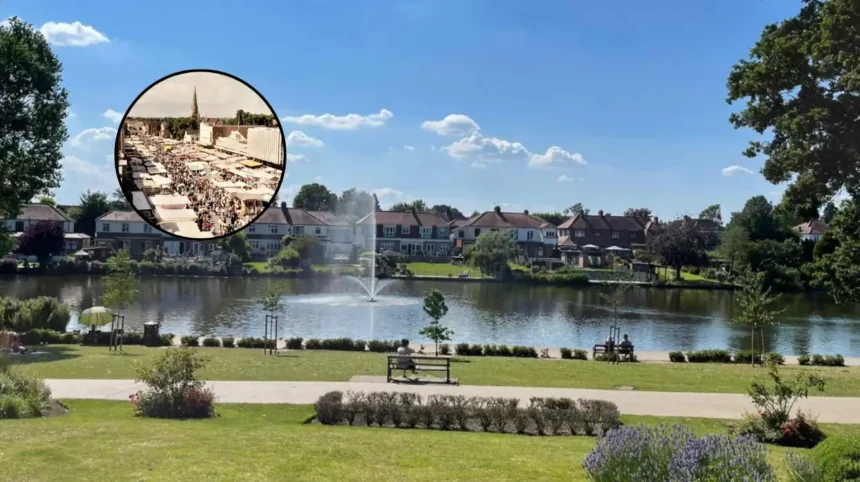
How The Beatles and Romford Market Defined the 1960s in Romford 2026
Credit: Google Maps/romfordrecorder.co.uk

Key Points:

  • The 1960s marked a decade of rapid transformation for Romford, following post-Second World War recovery and population growth in the 1950s.
  • Legendary rock band The Beatles visited the Essex town during their rise to international stardom.
  • Romford Market saw major developments, including the end of an era with its final livestock sale in 1969.
  • Retail and general market stalls continued to thrive throughout the decade despite structural changes to local trade.
  • The era established structural changes that set the stage for modern commercial developments in the region.

Romford (East London Times) August 24, 2026 – Romford experienced a transformative decade during the 1960s, defined by historic cultural events including a visit by The Beatles and significant changes to the local commercial landscape. Following recovery efforts from the Second World War and rapid urban growth throughout the 1950s, the town emerged as a vibrant hub for commerce and entertainment. Although the final livestock sale took place at Romford Market toward the end of the decade, non-livestock market stalls expanded and maintained strong trade performance throughout the period.

Contents
  • Key Points:
  • What Made the 1960s a Pivotal Decade for Romford?
  • How Did Romford Market Evolve During the 1960s?
  • How Did Retail Stalls Maintain Their Growth?
  • What Is the Background of Romford’s Commercial Development?
  • How Does This Historical Development Affect Modern Romford Residents and Businesses?

What Made the 1960s a Pivotal Decade for Romford?

The 1960s represented a era of modernisation for Romford as it built upon the expansion established in the prior decade.

Having recovered from wartime destruction, the town expanded its civic infrastructure and local trade networks to accommodate a growing residential population.

Central to the town’s social life was the cultural shift sweeping across the United Kingdom during the decade. Romford became a notable stop for popular music acts of the era, most famously hosting iconic rock group The Beatles during their nationwide tours.

The band’s appearance in the town highlighted Romford’s rising profile as an entertainment venue outside central London, drawing large crowds of young residents and solidifying its place in the regional youth culture movement.

Alongside entertainment, local community life remained deeply tied to the historical market, which served as both a social gathering place and the primary economic engine for the area.

How Did Romford Market Evolve During the 1960s?

Romford Market, which dates back centuries, experienced structural alterations during this decade to adapt to changing modern agricultural and retail practices.

At the close of the decade, Romford Market held its final livestock sale, bringing an end to a centuries-old tradition of trading farm animals in the town centre.

Shifted supply chains, updated sanitation standards, and changing land use in suburban London contributed to the phase-out of live animal auctions.

How Did Retail Stalls Maintain Their Growth?

Despite the closure of the livestock sector, general market trade did not suffer. Stalls selling food, textiles, household goods, and apparel flourished.

The market square remained packed with traders and buyers, benefiting from the growing suburban population in Havering and nearby East London districts. The retail market’s resilience ensured that Romford retained its identity as a principal market town in Essex.

Explore More Romford News

Romford Mercury Shopping Centre Free Summer Events 2026

London Fire Brigade Tackles Major Grass Fire Near Romford 2026

What Is the Background of Romford’s Commercial Development?

Romford’s development in the 1960s was built upon a foundation laid in the early 20th century, accelerated by post-war reconstruction. Following damage sustained during the Blitz in the Second World War, local authorities prioritised urban renewal throughout the 1950s.

During the 1950s, new housing estates were constructed around Romford to rehouse displaced London families and support population growth. This influx of residents increased local demand for retail and community services.

By the time the 1960s arrived, Romford had shifted from a traditionally rural Essex market town into a major suburban commercial center. The end of livestock sales in 1969 marked the official completion of this transition from an agricultural exchange town to a consumer-focused retail hub.

How Does This Historical Development Affect Modern Romford Residents and Businesses?

Understanding the developments of the 1960s offers key insights into the modern urban trajectory of Romford and the broader London Borough of Havering.

The pivot away from agricultural trade toward consumer retail in the 1960s laid the structural foundation for Romford’s current status as one of the largest retail districts in outer East London.

Current market stallholders and town centre businesses operate within a commercial footprint that was defined during this period of 1960s expansion.

For long-standing residents and local heritage groups, the 1960s represent a bridge between traditional Essex market culture and modern urban integration.

Preserving the historical record of events—such as The Beatles’ performance and the final livestock trade—helps inform local conservation planning, cultural tourism, and community identity initiatives today.
£1.5M Stapleford Abbotts Bungalow Listed With Indoor Pool 2026
Three Women Arrested in Romford Town Centre Over Fraudulent Travel Cards
Diary of a Wimpy Kid Musical Opens at Brookside Theatre Romford 2026
Romford Mercury Centre Appeals for Giving Tree Dream List Donations
Romford MP Rosindell Slams Government on Roadkill in Havering
News Desk
ByNews Desk
Follow:
Independent voice of East London, delivering timely news, local insights, politics, business, and community stories with accuracy and impact.
Previous Article Hornchurch Anti-Social Behaviour Escalates: Residents Demand Urgent Action 2026 Hornchurch Anti-Social Behaviour Escalates: Residents Demand Urgent Action 2026
Next Article Gallows Corner Major Roadworks Enter Final Phase in Romford 2026 Gallows Corner Major Roadworks Enter Final Phase in Romford 2026
East London Times footer logo

All the day’s headlines and highlights from East London Times, direct to you every morning.

Area We Cover

  • Hackney News
  • Havering News
  • Newham News
  • South East London News
  • Redbridge News
  • Tower Hamlets News
  • Waltham Forest News

Explore News

  • Crime News​
  • Fire News
  • Police News
  • Live Traffic & Travel News
  • Sports News

Discover ELT

  • About East London Times (ELT)
  • Become ELT Reporter
  • Contact East London Times (ELT)
  • Street Journalism Training Programme (Online Course)
  • Politicians
  • Journalists
  • Contributors

Useful Links

  • Privacy Policy
  • Cookies Policy
  • Report an Error
  • Sitemap
  • Code of Ethics
  • Help & Resources
East London Times (ELT) © 2026 - All Rights Reserved
Welcome Back!

Sign in to your account

Username or Email Address
Password

Lost your password?