Key Points
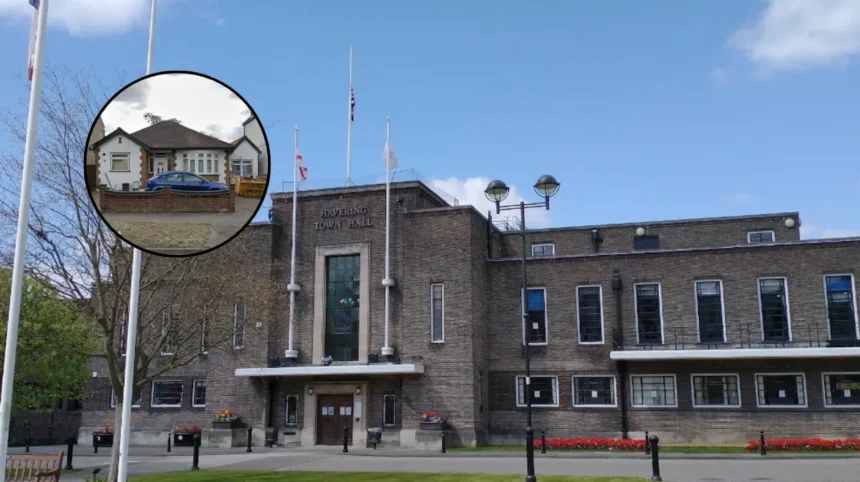
- New Planning Proposal: A fresh application has been submitted to Havering Council by Mr Grossberger to convert an existing six-person house in multiple occupation (HMO) into an eight-person HMO at 223 Mawney Road, Romford.
- Architectural Modifications: The application details structural extensions, including a hip-to-gable loft conversion, a rear dormer window, front roof lights, and the installation of new refuse and cycle storage facilities.
- Internal Layout: The current dwelling features six bedrooms, each equipped with its own en-suite bathroom, alongside a shared kitchen and dining room situated on the ground floor.
- Previous Refusal: Similar expansion plans submitted in March were previously rejected by local planning officers due to concerns over internal living conditions and noise disruption.
- Planning Officer Concerns: Council officers previously stated that intensifying the site’s usage would generate high levels of activity resulting in an unacceptable impact on neighbouring residential occupiers.
- Communal Space Issues: The previous scheme was turned down partly because the layout created a “lack of suitable internal communal” space, which officers deemed “harmful” for prospective occupants.
- Impact Assessments: The newly submitted documents feature dedicated noise and flood risk reports claiming the expansion will not significantly increase noise levels and faces only a low risk of flooding.
Romford (East London Times) September 26, 2026 – Fresh planning proposals have been formally submitted to Havering Council seeking permission to expand a house in multiple occupation (HMO) situated on Mawney Road, despite a very similar expansion scheme being rejected by local authority officers only months earlier. The applicant, identified in public planning documentation as a Mr Grossberger, is requesting approval to increase the maximum capacity of the property at 223 Mawney Road from its current six-person limit to an eight-person occupancy dwelling.
- Key Points
- What changes are proposed for the Mawney Road property?
- Why were the previous planning proposals turned down by Havering Council?
- How do the new technical assessments address noise and flood concerns?
- Background of the Development
- Prediction: How This Development Could Affect Local Residents and Housing Demand
What changes are proposed for the Mawney Road property?
The submitted development plans outline a series of substantial structural and layout modifications to the residential premises. Under the proposal, the building would undergo a hip-to-gable loft conversion paired with a rear dormer extension and the addition of front-facing roof lights to create the extra living space required for two additional residents. Furthermore, the application specifies the addition of upgraded refuse management facilities and dedicated cycle storage on-site to accommodate the larger household.
In its current operational state, 223 Mawney Road functions as a licensed six-person HMO. Each of the six existing bedrooms includes its own en-suite bathroom facilities, whilst all residents share a single communal kitchen and dining area positioned on the ground floor of the building. The proposed physical alterations aim to expand this internal footprint to accommodate eight individual bedrooms.
Why were the previous planning proposals turned down by Havering Council?
The resubmission comes shortly after a previous planning attempt for the site was turned down by local authority planning officers. As reported by local media coverage on Havering planning decisions, the earlier scheme—originally submitted in March—likewise proposed a loft conversion intended to add two extra bedrooms alongside a communal living room. However, that application failed to secure approval after municipal planners raised explicit objections regarding both external community impacts and internal residential quality.
During the previous evaluation, Havering Council planning officers explicitly expressed strong reservations regarding overdevelopment and local disturbance. As highlighted in the official planning assessment, officers determined that “the intensification of the site would generate high levels of activity and result in an unacceptable impact on neighbouring residential occupiers in terms of noise and general disturbance.” In addition to neighbouring concerns, municipal planners concluded that the earlier design resulted in a distinct “lack of suitable internal communal” space, which they noted would be directly “harmful” for the standard of living of the house’s occupants.
How do the new technical assessments address noise and flood concerns?
To address these historical grounds for refusal, the applicant has included two detailed technical evaluations within the latest planning submission: an independent noise assessment and a flood risk report. Both reports contend that the revised scheme satisfies local planning criteria and will not cause adverse impacts on the surrounding suburban area or its future occupants.
The newly submitted noise assessment directly tackles the question of local disturbance, asserting that the property’s established use mitigates potential disruption. The noise assessment report stated that because the property already operates as an active six-bedroom HMO, local neighbours are already “accustomed to a degree of activity higher than that of a traditional single-family dwelling.” Consequently, the report asserts that expanding the home to house eight people would not lead to a significant increase in noise output for surrounding residents. Simultaneously, the flood risk assessment concludes that 223 Mawney Road faces only a low risk of flooding, presenting no material barrier to development.
Background of the Development
Houses in Multiple Occupation (HMOs) have become a focal point of planning discussions across the London Borough of Havering and the wider East London area. HMOs are residential properties where multiple tenants rent individual rooms while sharing common facilities such as kitchens or living spaces. Under UK planning legislation, converting a standard single-family home into a small HMO (up to six residents) often falls under permitted development or specific licensing frameworks, whereas expanding beyond six occupants to an eight-person facility requires full planning permission for a large HMO.
In recent years, local councils including Havering have increasingly scrutinized high-density HMO conversions. Planning authorities routinely weigh the pressing regional demand for lower-cost, flexible housing options against potential pressure on local infrastructure, street parking, waste collection services, and residential amenity for long-standing neighbours. Concerns over “cramming”—where internal communal space is reduced to maximize bedroom count—have led planning officers to enforce strict guidelines regarding room sizes, shared living areas, and overall occupant well-being.
Prediction: How This Development Could Affect Local Residents and Housing Demand
Should Havering Council approve the resubmitted scheme for 223 Mawney Road, the decision could have noticeable effects on the immediate neighbourhood and the broader local housing landscape.
- Impact on Surrounding Neighbours: Residents living in the immediate vicinity of Mawney Road may experience an incremental increase in street-level activity. Higher occupancy levels in residential streets typically correspond to greater demands on local roadside parking, increased routine foot traffic, and higher volumes of household waste. Although the applicant’s noise assessment argues that neighbours are already accustomed to HMO activity, local residents may remain concerned about cumulative disturbance and loss of residential amenity.
- Impact on Renters Seeking Affordable Accommodation: For single professionals, key workers, and individuals searching for flexible rental units in Romford, an expanded eight-bedroom HMO provides additional bedspaces in an increasingly tight rental market. En-suite facilities offer enhanced privacy compared to traditional shared houses, potentially attracting tenants who require affordable accommodation with good transport links into central London.
- Impact on Local Planning Precedents: A decision to approve this resubmitted application—following an earlier refusal—would set a notable precedent for property developers across Havering. It would demonstrate that addressing officer concerns through technical noise and flood reports, alongside minor internal reconfigurations, can successfully overcome previous planning refusals for HMO intensifications. Conversely, if rejected again, it will reinforce the council’s firm stance on preserving internal communal space standards and preventing the over-densification of suburban residential streets.