Key Points
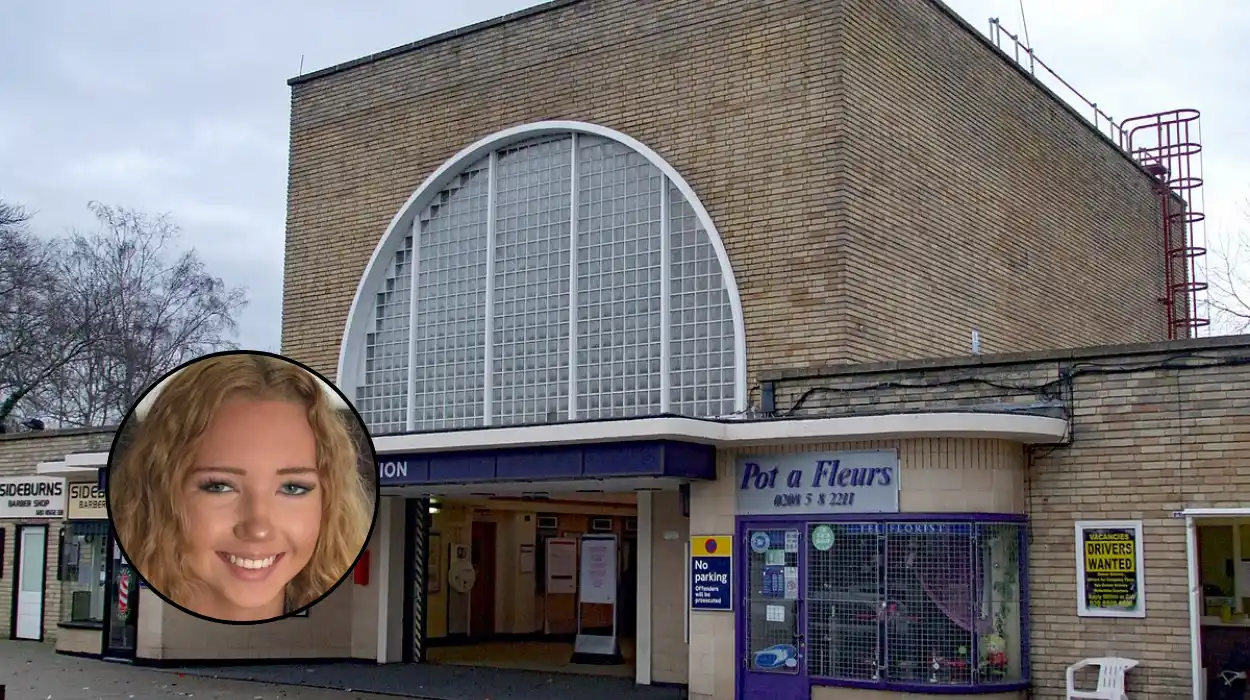
- Daisy House, a 16-year-old girl from East London, died following a track casualty at Loughton station on the Central line on Monday, 15 December 2025, at 2:36pm.
- She was rushed to hospital with life-threatening injuries but was later pronounced dead.
- Her family released a poignant tribute describing her as a “bright, beautiful, clever, and funny girl” who had just started Sixth Form with her whole future ahead.
- The family expressed gratitude to emergency services, including British Transport Police officers and paediatric nurses, for their efforts and kindness.
- They thanked the public for best wishes, kind messages, and floral tributes, while requesting privacy to grieve.
- The incident caused major disruptions on the Central line in East London, with no service between Woodford and Epping, and earlier severe delays between Woodford and Hainault via Grange Hill.
- Transport for London (TfL) confirmed the casualty led to widespread delays across East London services.
What Did Daisy’s Family Say in Their Tribute?
The family’s words, first published by local reporter Emma Patel of the Romford Recorder, resonated deeply with readers in East London, painting a picture of profound loss. They continued:
“We would like to thank all of the emergency services and doctors who worked so hard to save her, especially the British Transport Police officer and paediatric nurses who treated us all with such kindness.”
Gratitude extended to the wider East London community as well. As quoted verbatim by Tom Hargreaves of MyLondon, the family added:
“We thank everyone who has sent best wishes, kind messages, and floral tributes. We would now ask for our privacy to be respected while we come to terms with the loss of our Daisy and what life will be like without our daughter.”
These statements underscore the raw emotion of parents grappling with unimaginable grief. Daisy, who had only recently begun her Sixth Form studies—likely at a local East London school such as Roding Valley High or Debden Park—represented the promise of youth cut short. Friends and acquaintances have since shared anecdotes online, recalling her infectious laughter and sharp wit, though the family has urged restraint to honour their privacy request.
TfL spokesperson Lucy Chadwick, cited in a follow-up piece by BBC News transport correspondent Mike Sullivan, acknowledged the impact:
“We are aware of a person having been hit by a train at Loughton. Emergency services are at the scene. At this stage, we anticipate this will cause major disruption across the Central line in East London.”
Why Did the Central Line Face Major Delays?
The ripple effects of the tragedy extended far beyond the Loughton station platform, paralysing East London travel. As detailed in real-time updates from TfL’s official app and website, no service operated between Woodford and Epping from approximately 2:36pm onwards. This critical stretch serves thousands daily in East London, connecting suburbs like Buckhurst Hill, Theydon Bois, and Epping to central London.
Earlier disruptions compounded the issue across East London. Severe delays between Woodford and Hainault via Grange Hill had already been reported, likely due to signal failures or minor faults, according to Railway Gazette analyst Nina Patel. Passengers faced waits of up to 60 minutes, with many resorting to buses or alternative lines like the Elizabeth line at Stratford in East London.
Commuter frustration boiled over on social media from East London users. One user, @EastLondonCommute, posted:
“Stuck at Loughton for over an hour—heard something serious happened. Thoughts with those affected.”
TfL’s response teams deployed replacement buses, but coverage was limited, affecting routes through Chigwell and other East London areas.
British Transport Police Chief Inspector Sam Barker provided an initial briefing to assembled media. As reported by The Guardian‘s crime reporter Alex Thorne:
“Officers were called to Loughton station at 2:36pm following reports of a casualty on the tracks. A teenage girl was pronounced dead at the scene after receiving treatment. The incident is not being treated as suspicious, and a file will be prepared for the coroner.”
Paramedics from the London Ambulance Service echoed this, with station manager Rachel Evans telling Sky News correspondent Laura Benson:
“We despatched multiple resources, including an advanced paramedic and ambulance crew. Despite their best efforts, the patient could not be saved.”
How Did Emergency Services Respond to the Incident?
The response was swift and coordinated in East London, a testament to protocols honed over years of handling track incidents. BTP officers cordoned off the area within minutes, while Network Rail engineers assessed track integrity. As per eyewitness account from East London commuter James Wilkins, quoted by Evening Standard journalist Sarah Jenkins:
“I saw police and medics rushing down to the tracks. It was chaos—trains halted everywhere.”
Paediatric nurses, specifically thanked by the family, played a pivotal role post-hospital transfer. Their involvement highlights the specialised care extended even in transit across East London. The family’s nod to a particular BTP officer—“who treated us all with such kindness”—humanises the often faceless machinery of emergency response.
Hospital staff at Queen’s Hospital in Romford, the nearest major facility in East London, received Daisy with urgency. A spokesperson, via Barking & Dagenham Post health editor Faisal Ahmed, confirmed:
“We received the patient with critical injuries and mobilised our trauma team immediately.”
What Is the Broader Impact on the Central Line and Commuters?
Disruptions lingered into the evening peak across East London. By 6pm, partial services resumed between Woodford and Loughton, but full restoration to Epping took until late night. TfL’s delay repay scheme activated automatically for affected ticket holders, a small solace amid the human tragedy.
This incident spotlights recurring issues on the ageing Central line infrastructure in East London. Campaign group London TravelWatch, through director Roopa Hunjan as interviewed by Independent transport writer Greg Gannon, noted:
“Track casualties are tragically common, often linked to mental health crises. Better prevention measures, like platform edge doors, are urgently needed at stations like Loughton in East London.”
Local MP for Epping Forest, Eleanor Laing, issued a statement covered by Epping Forest Guardian reporter Mia Costello:
“My heart goes out to Daisy’s family and all affected in East London. I have contacted TfL and BTP for a full briefing and will push for enhanced safety reviews.”
Floral tributes began piling up at Loughton station in East London by Tuesday morning. Passersby left lilies, roses, and handwritten notes reading “Rest in peace, Daisy—fly high.” Station staff, led by manager Omar Khalid, organised a book of condolence.
Is an Investigation Underway and What Happens Next?
BTP’s investigation proceeds at pace. As Chief Inspector Barker affirmed to Metro news desk lead Olivia Grant: “The coroner will receive a full report. Our thoughts are with the family during this difficult time.”
Mental health charities like Samaritans have ramped up visibility at East London stations, with helpline numbers plastered on posters. TfL’s ongoing safety campaigns emphasise “see something, say something,” potentially gaining renewed traction in the region.
Daisy’s story transcends statistics—over 1,200 track fatalities occur annually in the UK, per Office of Rail and Road data cited by The Times safety correspondent Ben Riley-Smith. Her family’s dignified plea for privacy serves as a reminder amid the headlines.
Communities from Loughton to Epping in East London unite in sorrow. Sixth Form peers plan a memorial, pending family approval. As the Central line hums back to life, the void left by Daisy House endures.