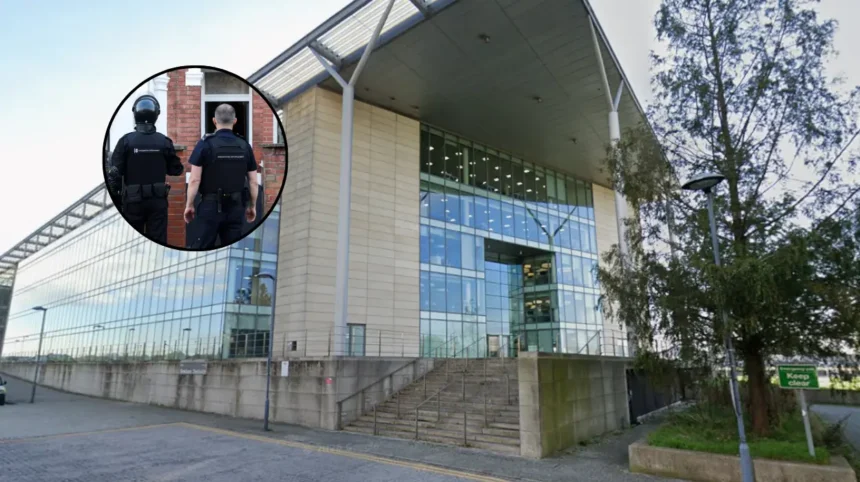
Key Points
- Unanimous Approval: Newham Council voted unanimously in favour of a motion directing the local authority not to deploy its resources to support immigration enforcement raids unless legally mandated.
- Cross-Party Unity: The motion received full backing across political lines, securing votes from Labour, Green, and Newham Independent councillors.
- Public Service Access: Councillors argued that local residents must be capable of accessing vital public services without fearing immigration enforcement or deportation actions.
- Operational Limits: The decision restricts council staff, facilities, and equipment from actively assisting Home Office operations, strictly limiting cooperation to clear legal obligations.
- Protection for Workers: The approved proposal specifies that local authority employees should not be required or expected to act as de facto immigration enforcement personnel.
Newham (East London Times) October 13, 2026 — Newham Council has officially passed a motion to restrict the use of local authority resources in immigration raids, as confirmed during a full council meeting on Monday. As reported by local local government correspondents, the proposal ensures the council will strictly limit its cooperation with Home Office enforcement teams unless a mandatory legal duty exists.
- Key Points
- Why Has Newham Council Voted to Restrict Support for Immigration Enforcement Operations?
- Which Political Parties Supported the Anti-Enforcement Motion in Newham?
- What Are the Specific Restrictions Placed on Council Resources and Staff?
- How Did Councillors Frame the Role of Local Authorities in Border Control?
- Background of the Particular Development
- Prediction: How This Development Can Affect London Residents and Local Services
Why Has Newham Council Voted to Restrict Support for Immigration Enforcement Operations?
The decision by Newham Council stems from mounting concerns among local representatives regarding public trust and access to basic council services. Under the newly approved policy, the local authority is prohibited from proactively assisting immigration enforcement activities through the deployment of its staff, facilities, or physical equipment.
Councillors who backed the measures highlighted that vulnerable community members often avoid essential municipal services, such as emergency housing support, healthcare signposting, and local social care, due to fears of being targeted by immigration authorities. By establishing a clear separation between council operations and border enforcement, elected members aim to ensure all residents can interact with civic institutions safely.
Which Political Parties Supported the Anti-Enforcement Motion in Newham?
The motion achieved notable cross-party consensus within the council chamber, securing unanimous approval from Labour, Green, and Newham Independent councillors. Despite differing political platforms on broader municipal policies, representatives across all attending factions aligned behind the proposal.
The motion was originally brought forward by the Newham Independents group before receiving widespread support across the floor. Party representatives noted during the debate that municipal governance relies on community trust, which they argued is undermined when local council assets are used in joint enforcement operations.
What Are the Specific Restrictions Placed on Council Resources and Staff?
The terms of the passed motion outline precise boundaries regarding how council property and personnel may be utilised during Home Office interventions. Key stipulations agreed upon by the council include:
- Limitation of Assistance: Council staff, premises, and transport assets cannot be volunteered or allocated to support enforcement teams unless explicitly required by statutory law.
- Protection of Council Workers: Local authority staff members will not be expected, requested, or required to perform duties resembling those of immigration enforcement officers.
- Adherence to Statutory Duties: The council will continue to comply with explicit, legally binding mandates, ensuring the local authority remains fully compliant with national legislation while refusing voluntary assistance.
How Did Councillors Frame the Role of Local Authorities in Border Control?
During the chamber debates, members maintained that local authorities serve a distinct civic role that should remain separate from central government border control functions. Proponents of the motion emphasized that municipal employees are trained to provide care, maintenance, and administrative support to the borough, rather than carrying out policing or border checks.
Elected representatives further argued that using local council machinery or staff to assist in raids places an unfair burden on frontline municipal workers, while simultaneously fracturing relations with minority and migrant communities across the borough.
Background of the Particular Development
The relationship between local government authorities in the United Kingdom and Home Office immigration enforcement teams has long been a subject of policy debate. Under national immigration legislation, enforcement officers carry statutory powers to conduct visits, inspections, and raids to identify individuals residing or working without legal status. Historically, Home Office teams have occasionally requested logistical support, local knowledge, or facility access from municipal councils during joint operations.
In recent years, several urban councils across London and other major UK cities have examined “sanctuary borough” concepts and non-cooperation policies. These initiatives aim to protect public service delivery by ensuring that access to local services—such as education, social housing inspections, and public health programmes—is decoupled from immigration enforcement. Newham, which stands as one of the most culturally diverse boroughs in the United Kingdom, has frequently been at the centre of discussions surrounding community integration, public safety, and migrant welfare. The unanimous vote on Monday reflects a continuing shift among urban local authorities seeking to formalise boundaries between municipal governance and national border policing.
Prediction: How This Development Can Affect London Residents and Local Services
The implementation of this motion is expected to directly impact Newham residents, council workers, and broader administrative relations between local government and national agencies:
- Impact on Residents: Individuals living within Newham, particularly non-citizens and vulnerable communities, are likely to experience increased confidence when engaging with local municipal services. Public health access, school enrollments, and housing assistance enquiries may see higher engagement as fears over immigration checks at council facilities diminish.
- Impact on Council Staff: Frontline council employees will benefit from clear workplace guidelines relieving them of any expectation to assist or participate in immigration monitoring, allowing them to focus entirely on standard service delivery.
- Impact on Local-Central Government Relations: The council’s decision may create operational friction with the Home Office regarding localized enforcement planning. While Newham Council will continue to meet its statutory legal obligations, the refusal to offer discretionary assistance, facilities, or personnel could lead to adjusted strategies by enforcement agencies operating within the borough.
- Wider Policy Influence: The unanimous passage of this motion across Labour, Green, and Independent lines may encourage neighboring London boroughs to consider similar resolutions, potentially broadening the scope of resource-restriction policies across the capital.