Key Points
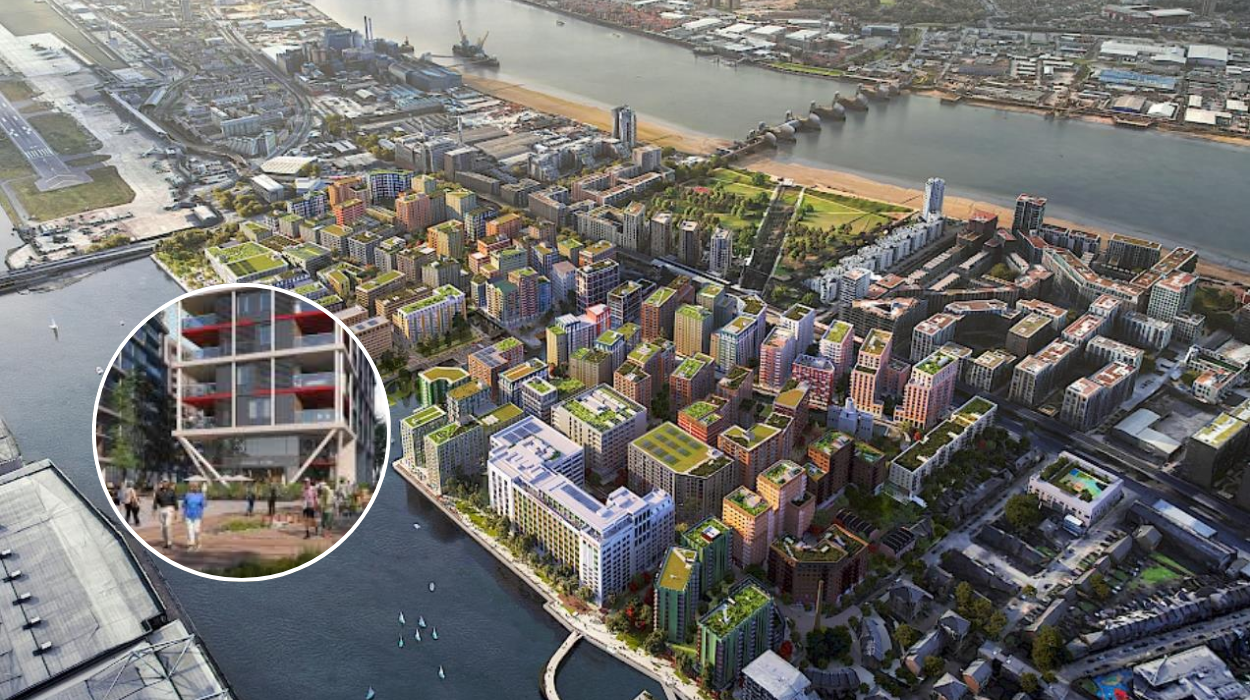
- Newham Council’s Strategic Development Committee voted to grant planning approval for a major development on vacant land at the south-east corner of Royal Victoria Dock in east London on Tuesday, 9th [Source: Newham Recorder, reported by various outlets].
- The scheme proposes up to 7,172 homes, a primary school, leisure facilities, shops, restaurants, and offices.
- Jess Wallis of developer Silvertown Partnership stated the project would “bring this significantly under-utilised part of Newham back to life”.
- The development is structured around four “neighbourhoods”, including a “local centre” on the west side adjoining Mill Road with shops, restaurants, and offices.
- The centre at Pontoon Dock will feature waterside bars and restaurants.
- The site is currently under-utilised vacant land, aimed at revitalising the area.
- Approval came after plans were presented to councillors, marking a significant step in east London’s housing expansion.
What Is the Scale and Layout of the Royal Victoria Dock Development?
The development spans vacant land at the south-east corner of Royal Victoria Dock, a strategically located yet under-utilised area in Newham. Plans outline up to 7,172 residential units, forming the backbone of the project. These homes will integrate with community infrastructure, including a new primary school to serve growing families, leisure facilities for recreation, and a mix of shops and restaurants to foster daily conveniences.
- Key Points
- What Is the Scale and Layout of the Royal Victoria Dock Development?
- How Will the Neighbourhoods Connect and Function?
- Why Did Newham Councillors Approve the Development on 9th?
- Who Is Behind the Silvertown Partnership and What Do They Say?
- What Amenities Will the Development Include?
- Will There Be Green Spaces and Sustainability Features?
- How Does This Fit into Newham’s Housing Plans?
- What Are the Potential Impacts on Local Residents?
- How Will Traffic and Transport Be Managed?
- What Happens Next After Approval?
- Broader Context: East London’s Regeneration Boom
As detailed in presentations to councillors, the site divides into four distinct “neighbourhoods”. The western edge, adjoining Mill Road, hosts a “local centre” equipped with shops, restaurants, and offices. This hub aims to serve immediate residents while linking to existing infrastructure.
Moving centrally to Pontoon Dock, the layout shifts towards waterside appeal. Here, bars and restaurants will line the dockside, capitalising on the scenic Thames proximity to draw visitors and enhance the area’s vibrancy. Jess Wallis of the Silvertown Partnership emphasised this vision during the committee meeting. As reported by journalists covering the event, Wallis told councillors the scheme would “bring this significantly under-utilised part of Newham back to life”.
How Will the Neighbourhoods Connect and Function?
Each neighbourhood integrates seamlessly, with pathways and green spaces promoting walkability. The Mill Road local centre acts as a gateway, offering practical retail and office space. Pontoon Dock’s waterside focus complements this by prioritising leisure and dining, potentially boosting local tourism.
Infrastructure plans include enhanced public transport links, given the site’s proximity to the Docklands Light Railway. No specific details on affordable housing quotas emerged in initial reports, though council approvals typically mandate such provisions under London Plan guidelines.
Why Did Newham Councillors Approve the Development on 9th?
The Strategic Development Committee convened on Tuesday, 9th, to deliberate the proposals. After reviewing detailed plans, councillors voted in favour, granting full planning approval. This outcome reflects Newham’s broader strategy to utilise brownfield sites for housing amid acute shortages—London requires over 50,000 new homes annually, per government targets.
Supporters highlighted economic benefits. The project promises thousands of construction jobs initially, followed by permanent roles in retail and leisure. Jess Wallis’s statement, as quoted in meeting coverage, underscored regeneration:
“bring this significantly under-utilised part of Newham back to life”.
Councillors echoed this, noting the site’s dormancy had stifled local growth.
Opposition, though limited in reports, centred on traffic and density concerns. Some residents questioned infrastructure capacity, but the committee deemed mitigations—such as improved roads and public transport—sufficient.
Who Is Behind the Silvertown Partnership and What Do They Say?
The Silvertown Partnership leads the venture, a consortium with deep roots in London regeneration. Jess Wallis, a key spokesperson, presented directly to councillors. Her comment,
“bring this significantly under-utilised part of Newham back to life”,
captured the pitch’s essence, as noted across sources.
No further statements from Wallis or partners appear in immediate coverage, but the firm’s track record includes nearby Silvertown Quays, signalling expertise in dockland transformations. Newham Council officers endorsed the plans, citing alignment with local policies.
What Amenities Will the Development Include?
Beyond housing, the scheme packs in essentials. A primary school addresses education needs, potentially easing pressure on existing facilities. Leisure options—gyms, parks, or community halls—remain unspecified in detail but promise active lifestyles.
Commercial elements shine brightest. The Mill Road local centre brings shops, restaurants, and offices, creating a self-sustaining community. Pontoon Dock elevates this with waterside bars and restaurants, evoking Canary Wharf’s appeal but on a more accessible scale.
Will There Be Green Spaces and Sustainability Features?
Plans emphasise open areas, though exact acreages await full documentation. Sustainability likely incorporates London Plan standards: energy-efficient builds, cycle paths, and low-carbon heating. The dockside location aids flood resilience, a nod to Thames risks.
How Does This Fit into Newham’s Housing Plans?
Newham faces acute housing pressure, with demand outstripping supply. This 7,172-home project contributes significantly towards borough targets—over 30,000 by 2030. It aligns with the UK government’s levelling-up agenda, repurposing vacant land without greenbelt loss.
Comparisons to nearby developments, like Thamesmead or Barking Riverside, highlight a pattern: docklands reborn as mixed-use hubs. Critics argue such scale risks over-development, but proponents see necessity.
What Are the Potential Impacts on Local Residents?
Residents near Royal Victoria Dock anticipate mixed effects. Positives include jobs, amenities, and revitalised waterfronts. The primary school benefits families, while shops curb out-of-area travel.
Challenges loom: construction disruption could span years, with noise and traffic spikes. Post-build, population growth strains services. Reports note no major protests, but community consultations shaped the final plans.
How Will Traffic and Transport Be Managed?
Proximity to Pontoon Dock DLR station aids access, with upgrades pledged. Road enhancements along Mill Road mitigate congestion. Cycle lanes and bus links form part of the package, promoting sustainable travel.
What Happens Next After Approval?
With planning granted on 9th, Silvertown Partnership advances to detailed designs and construction tenders. Groundbreaking could occur within months, targeting phased delivery over a decade. Monitoring by Newham ensures compliance.
Council leader, if quoted in follow-ups, would likely praise the step—though none appear yet. Legal challenges remain possible but unlikely given committee consensus.
Broader Context: East London’s Regeneration Boom
This approval slots into east London’s transformation. Royal Victoria Dock joins Excel Centre expansions and Thames-side projects, fuelling growth. Newham’s population, already diverse and expanding, gains from such investments.
Economically, it bolsters the UK post-Brexit recovery, with housing as a pillar. Nationally, it exemplifies brownfield prioritisation, per NPPF guidelines.