Key Points
- Newham Council has approved plans to convert existing buildings at Royal Albert Dock into 628 student bed spaces, including ancillary facilities and Class E floorspace at ground level.
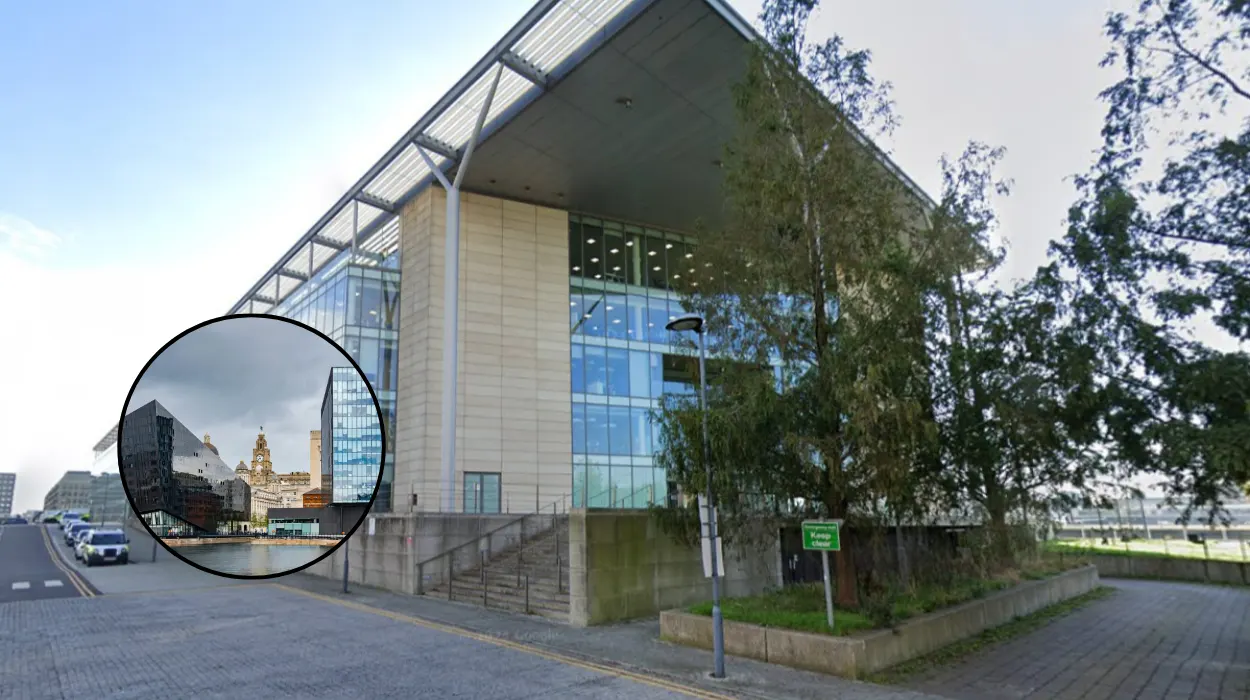
- The scheme, submitted by RAD CHP Ltd, involves properties at 24-29 Royal Albert Quay and buildings on Lascars Avenue, including the estate management office.
- A new canopy will link the two existing blocks, with added blue badge parking spaces, cycle parking, public realm enhancements, landscaping, and associated works.
- Current buildings feature mixed-use and retail units at ground level, offices on upper floors, a cycle parking hub, and ancillary facilities.
- Cycle parking will increase from 173 to 511 spaces, with electric vehicle charging points installed.
- The project is formally titled “Royal Albert Dock – Lascars Avenue WEST and Royal Albert Quay WEST – Change of Use” and proceeds subject to Newham Council’s conditions.
Royal Albert Dock, London (East London Times) January 27, 2026 – Newham Council has granted approval for a major student accommodation scheme at the Royal Albert Dock, transforming existing buildings into 628 bed spaces complete with ancillary facilities and ground-level Class E commercial space. The decision by the local authority clears the path for RAD CHP Ltd’s proposal, which includes linking canopies between blocks, expanded parking provisions, and public realm improvements. This development marks a significant step in repurposing underutilised dockside structures for higher education needs in East London.
- Key Points
- What Is the Scope of the Approved Development?
- Why Was the Scheme Submitted by RAD CHP Ltd?
- What Changes Are Planned for the Existing Buildings?
- How Will Parking and Sustainability Be Improved?
- What Is the Formal Name and Status of the Project?
- Who Are the Key Stakeholders Involved?
- What Does This Mean for the Local Economy?
- How Does This Fit into Royal Albert Dock’s Regeneration?
- What Conditions Must Be Met for Construction?
- Why Is Student Accommodation in Demand Here?
What Is the Scope of the Approved Development?
The approved plans encompass a comprehensive change of use for sites at Royal Albert Way, specifically targeting 24-29 Royal Albert Quay and a cluster of buildings on Lascars Avenue. As detailed in the application by RAD CHP Ltd, the scheme will deliver 628 student bedrooms, supported by ancillary amenities such as communal areas and facilities tailored to student living. Ground-level floorspace will retain Class E usage, accommodating retail or commercial operations to maintain vibrancy at street level.
The existing structures currently house mixed-use operations, with retail at ground level and offices above. A cycle parking hub and other support facilities already exist on site. The approval, subject to conditions outlined by Newham Council, ensures the project aligns with local planning policies while enhancing the dock’s infrastructure.
Why Was the Scheme Submitted by RAD CHP Ltd?
RAD CHP Ltd, the applicant behind the proposal, seeks to address growing demand for student housing in the area amid expanding higher education presence nearby. The site’s location within the Royal Albert Dock Trust estate positions it ideally for such regeneration. As per the planning documents, the transformation will optimise vacant or underused office spaces into modern student accommodation without requiring full demolition.
The firm’s submission highlights the scheme’s alignment with Newham’s objectives for sustainable urban renewal. No direct statements from RAD CHP Ltd representatives were available in council records, but the application’s emphasis on ancillary facilities underscores a holistic approach to resident needs.
What Changes Are Planned for the Existing Buildings?
The two primary blocks will undergo internal conversions, with a new canopy structure linking them to improve connectivity and weather protection. Upper floors, previously offices, will become student bedrooms, while ground-level retail persists. Enhancements include blue badge parking spaces for accessibility, alongside broader public realm upgrades like landscaping and pedestrian-friendly designs.
Associated works cover infrastructure bolstering, ensuring the site integrates seamlessly with the dock’s heritage context. The estate management office on Lascars Avenue forms part of the footprint, potentially repurposed within the ancillary provisions.
How Will Parking and Sustainability Be Improved?
A standout feature is the expansion of cycle parking from 173 to 511 spaces, promoting eco-friendly transport in line with London’s cycling initiatives. Electric vehicle charging points will also be installed, catering to future mobility trends. These measures, mandated under Newham Council’s conditions, aim to reduce car dependency in this densely populated area.
Public realm enhancements will include better landscaping and open spaces, fostering community use beyond students. Blue badge provisions ensure inclusivity for disabled visitors and residents.
What Is the Formal Name and Status of the Project?
Officially dubbed “Royal Albert Dock – Lascars Avenue WEST and Royal Albert Quay WEST – Change of Use,” the scheme received full planning permission as per the initial application details. Newham Council listed specific conditions and reasons, which RAD CHP Ltd must satisfy before works commence. No timeline for construction start was specified in the approval notice.
The decision paves the way for implementation, potentially injecting economic activity into the dock area through construction jobs and long-term occupancy.
Who Are the Key Stakeholders Involved?
Newham Council serves as the approving authority, with planning officers reviewing the application against local and national guidelines. RAD CHP Ltd acts as developer and applicant, leveraging the site’s strategic position. The Royal Albert Dock Trust, overseeing the broader estate, implicitly supports such regenerations, though no direct comment was noted.
Local residents and businesses were likely consulted via standard planning processes, though specific objections or endorsements remain undocumented in public summaries. The estate management office’s inclusion suggests coordination with existing operators.
What Does This Mean for the Local Economy?
The influx of 628 students could boost nearby commerce, from cafes to shops, while ground-level Class E spaces preserve retail vitality. Construction phase will create temporary employment, with ongoing management roles post-completion. As East London evolves as an education hub, this scheme supports Newham’s growth ambitions.
Critics might note pressures on local services, but the planning conditions likely mitigate impacts through sustainable design. No statements from council leaders were quoted in available reports.
How Does This Fit into Royal Albert Dock’s Regeneration?
The Royal Albert Dock has undergone phases of renewal, with tech parks and waterside developments drawing investment. This student scheme complements prior efforts, repurposing legacy buildings from the dock’s industrial past. Links to nearby universities enhance its viability, positioning the area as a live-learn destination.
Past proposals, like repurposing the estate office for education, indicate a pattern of adaptive reuse. The canopy and landscaping tie into wider public realm strategies.
What Conditions Must Be Met for Construction?
Newham Council’s approval is conditional, with reasons tied to design, access, sustainability, and heritage safeguards. Compliance requires RAD CHP Ltd to submit detailed plans for drainage, materials, and biodiversity enhancements. Breaches could halt progress, ensuring quality outcomes.
Monitoring by council officers will oversee adherence, standard for such permissions.
Why Is Student Accommodation in Demand Here?
East London’s student population swells with institutions like University College London and Queen Mary University of London nearby. Affordable, purpose-built housing shortages drive such conversions. This scheme addresses that gap, offering modern facilities amid rising private rents.
The dock’s appeal—proximity to transport, green spaces, and the Thames—makes it prime for students.