Key Points
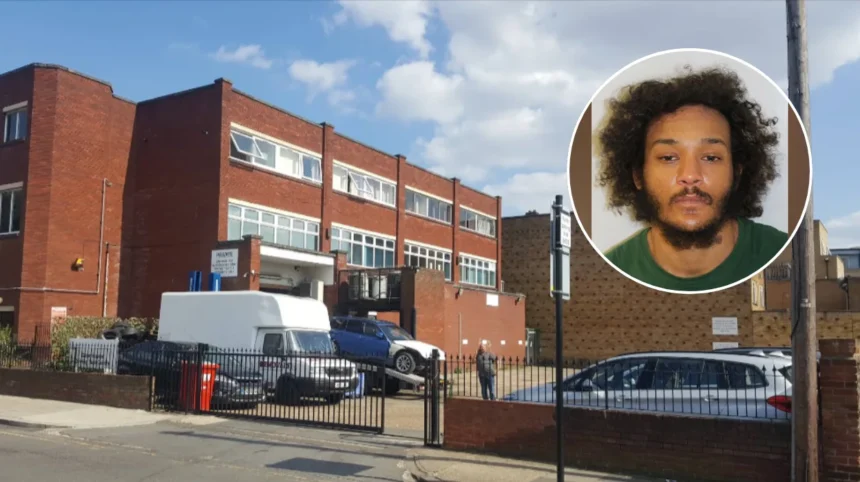
- A 47-year-old man from Newham, East London, named Soloman Tweneboah, of Leather Gardens, has been jailed for acting as a proxy in more than a dozen driving theory tests.
- Police discovered Tweneboah taking tests for unqualified drivers to help them progress towards full licences.
- Staff at a theory test centre in Stag House, Hertford, Hertfordshire, alerted officers on January 19, 2026, after noticing his appearance did not match the candidate’s driving licence photo.
- Tweneboah was arrested shortly after the alert at the test centre.
- He appeared at St Albans Crown Court on Friday, February 20, 2026, pleading guilty to 14 counts of fraud by false representation.
- The offences occurred at driving test centres in Hertfordshire and other parts of the country.
- Tweneboah received a sentence of two years and six months in prison.
- Driving test candidates must pass a theory exam, including a multiple-choice quiz and video hazard perception exercise, before taking the practical exam for a full licence.
- Detective Constable Dom Pyburn, from Hertfordshire Constabulary’s case investigation team, highlighted the prevalence of such crimes nationwide.
- DC Pyburn warned that using a proxy for theory tests is illegal and risks a criminal record.
- Tweneboah’s actions likely allowed unqualified drivers onto roads, endangering public safety.
- Police collaborate with the Driver and Vehicle Standards Agency (DVSA) to uphold standards and prevent unqualified drivers from posing risks.
Newham (East London Times) February 23, 2026 – A 47-year-old man from Leather Gardens in Newham has been sentenced to prison after admitting to fraudulently taking more than a dozen driving theory tests on behalf of unqualified learners. Soloman Tweneboah acted as a proxy, enabling others to bypass proper testing procedures and edge closer to obtaining full driving licences. This case underscores ongoing concerns about driving test integrity across the UK.
- Key Points
- How Was Tweneboah Caught?
- What Happened at St Albans Crown Court?
- What Are the Specific Offences Tweneboah Committed?
- Why Is the Theory Test Essential for Driving Licences?
- What Did Detective Constable Dom Pyburn Say?
- How Prevalent Is Proxy Test Fraud in the UK?
- What Risks Do Unqualified Drivers Pose?
- Who Is Soloman Tweneboah?
- Where Did the Offences Take Place?
- When Did Key Events Unfold?
- What Role Does the DVSA Play?
- Could This Happen at Other Test Centres?
- What Are the Legal Consequences?
- How Does This Affect East London Communities?
- What Measures Prevent Future Fraud?
- Broader Implications for Road Safety
How Was Tweneboah Caught?
The investigation began at the Stag House theory test centre in Hertford, Hertfordshire. On January 19, 2026, staff grew suspicious when Tweneboah’s appearance did not match the photograph on the driving licence of the candidate he was impersonating. Officers were alerted immediately, leading to his swift arrest at the scene.
As detailed in reports from Hertfordshire Constabulary, this sharp-eyed observation by test centre personnel halted Tweneboah’s activities on that day. Police confirmed that such vigilance is part of routine checks to maintain test security.
What Happened at St Albans Crown Court?
Tweneboah appeared before St Albans Crown Court on Friday, February 20, 2026. He pleaded guilty to 14 counts of fraud by false representation, covering incidents at driving test centres in Hertfordshire and various other locations nationwide.
The court imposed a sentence of two years and six months’ imprisonment. This outcome reflects the seriousness with which the judiciary views attempts to undermine driving licence regulations.
What Are the Specific Offences Tweneboah Committed?
Tweneboah’s guilty pleas related to 14 separate instances of fraud by false representation. These involved him posing as candidates at theory test centres, primarily in Hertfordshire but extending to other parts of the country.
Each offence centred on him taking the theory test – a mandatory step comprising a multiple-choice quiz and a video-based hazard perception exercise – in place of unqualified individuals. This allowed those learners to falsely progress towards booking their practical driving exams.
Why Is the Theory Test Essential for Driving Licences?
In the UK, aspiring drivers must pass a theory test before attempting the practical examination for a full licence. The test assesses knowledge through multiple-choice questions and hazard perception via video clips, ensuring candidates understand road rules and risks.
As outlined in standard DVSA procedures, this dual-component exam verifies competence before granting permission for on-road practical assessments. Bypassing it, as Tweneboah facilitated, compromises road safety standards.
What Did Detective Constable Dom Pyburn Say?
Detective Constable Dom Pyburn, from Hertfordshire Constabulary’s case investigation team, commented on the case’s broader implications. He stated:
“This type of crime has been prevalent across the country in recent years. Using a proxy to take your theory test is illegal and could land you with a criminal record.”
DC Pyburn further noted:
“Tweneboah committed over a dozen offences across the country, which has most likely led to many unqualified drivers on the road, putting others at risk.”
He added:
“Police work in partnership with the DVSA to ensure that standards are maintained and prevent unqualified drivers from causing problems on our roads.”
These remarks, as reported directly from police sources, emphasise the national scope of proxy test fraud and its dangers.
How Prevalent Is Proxy Test Fraud in the UK?
DC Pyburn described such crimes as “prevalent across the country in recent years,” indicating a persistent issue beyond this single case. Tweneboah’s 14 offences spanned multiple regions, suggesting organised attempts to exploit testing vulnerabilities.
Hertfordshire Constabulary’s involvement highlights inter-agency efforts to combat this. The force partners with the DVSA, which oversees test centres, to detect and deter fraud.
What Risks Do Unqualified Drivers Pose?
Tweneboah’s actions
“most likely led to many unqualified drivers on the road, putting others at risk,”
according to DC Pyburn. Individuals who evade proper theory testing lack essential knowledge of road signs, rules, and hazards.
This can result in higher accident rates, endangering motorists, pedestrians, and cyclists alike. The court’s stiff sentence serves as a deterrent against such public safety threats.
Who Is Soloman Tweneboah?
Soloman Tweneboah, aged 47, resides in Leather Gardens, Newham, East London. He was identified as the proxy candidate during the January 19 incident at Stag House, Hertford.
Court records confirm his guilty plea and subsequent sentencing. No prior media coverage of Tweneboah appears in available East London reports, marking this as his prominent public case.
Where Did the Offences Take Place?
The frauds occurred at driving test centres in Hertfordshire, including the Stag House location in Hertford, and other unspecified parts of the country. This geographical spread indicates Tweneboah travelled to perpetrate the offences.
Hertfordshire Constabulary led the probe, reflecting the county’s central role despite the national footprint.
When Did Key Events Unfold?
- January 19, 2026: Staff at Stag House alert police; Tweneboah arrested.
- February 20, 2026: Tweneboah pleads guilty at St Albans Crown Court and receives his sentence.
These dates frame a rapid judicial process, from detection to imprisonment within five weeks.
What Role Does the DVSA Play?
The Driver and Vehicle Standards Agency (DVSA) administers theory and practical driving tests. Police, including Hertfordshire Constabulary, collaborate with the DVSA to safeguard processes.
DC Pyburn affirmed this partnership:
“Police work in partnership with the DVSA to ensure that standards are maintained.”
Such cooperation includes sharing intelligence on potential fraud.
Could This Happen at Other Test Centres?
Yes, as Tweneboah targeted centres beyond Hertfordshire. DC Pyburn’s comments on nationwide prevalence suggest vulnerabilities exist countrywide.
Test centres employ photo ID checks, but proxies like Tweneboah exploit momentary lapses. Enhanced training, as implied by this case, aims to close such gaps.
What Are the Legal Consequences?
Fraud by false representation carries significant penalties, as evidenced by Tweneboah’s two-and-a-half-year term for 14 counts. Offenders face imprisonment and criminal records.
DC Pyburn warned:
“Using a proxy to take your theory test is illegal and could land you with a criminal record.”
Both proxies and beneficiaries risk prosecution.
How Does This Affect East London Communities?
Newham residents, like Tweneboah, now associate this borough with driving test fraud. East London’s dense population amplifies road safety concerns if unqualified drivers proliferate.
Local authorities and police urge vigilance. This case may prompt DVSA reviews of test centre security in urban areas like Newham.
What Measures Prevent Future Fraud?
Beyond staff alertness, measures include biometric verification pilots and data cross-checks. Police-DVSA partnerships, as in this investigation, enable proactive policing.
DC Pyburn’s statement reinforces deterrence: maintaining standards prevents “unqualified drivers from causing problems on our roads.”
Broader Implications for Road Safety
This incident highlights systemic risks in the UK licensing process. With thousands of tests daily, even a fraction of frauds could yield dangerous drivers.
Hertfordshire Constabulary’s success demonstrates effective response. Yet, DC Pyburn’s prevalence note calls for sustained vigilance nationwide.