Key Points
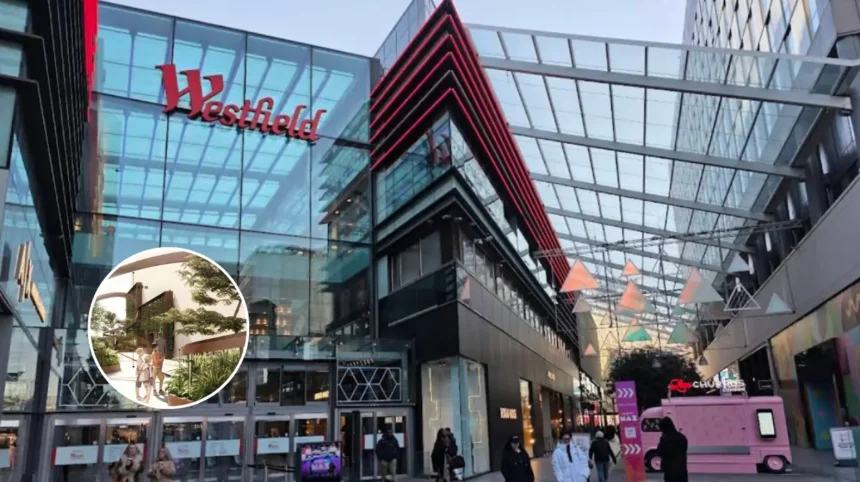
- Plans submitted for pedestrian route enhancements connecting Westfield Stratford City shopping centre to Westfield Avenue via Cherry Park Lane.
- Proposals include hard and soft landscaping features such as trees, planters, and a sculptural metal ribbon to guide visitors.
- Route passes Coppermaker Square residential area, with a new pathway proposed for residents’ access to the centre.
- Existing route described as “sterile and lacks interest”; upgrades aim to create an “exciting new entrance” with clear transition to residential development.
- DP9 Ltd, architects for the shopping centre, state the project will transform an underutilised hard-landscaped route into a high-quality public space with enhanced urban greening and improved pedestrian connectivity.
Stratford City (East London Times) April 17, 2026 – Westfield Stratford City has submitted plans to upgrade the pedestrian entrance connecting the shopping centre to Westfield Avenue through Cherry Park Lane, aiming to enhance the route with landscaping and improved access for residents and visitors.
Why Is Westfield Stratford City Upgrading Cherry Park Lane Entrance?
The proposals focus on transforming the current pedestrian route, known as Cherry Park Lane, which links the major shopping centre to Westfield Avenue.
According to the planning documents, the existing pathway is
“sterile and lacks interest”.
The upgrades seek to introduce both hard and soft landscaping elements, including trees, planters, and a sculptural metal ribbon designed to weave through the site and assist visitors in navigating the area.
Cherry Park Lane runs adjacent to the Coppermaker Square residential development. As a result, the plans incorporate a dedicated pathway into the centre specifically for residents of this area.
This feature aims to provide a “clear transition” between Westfield Stratford City and the surrounding residential zone, fostering better integration.
DP9 Ltd, the architects who prepared the plans on behalf of Westfield Stratford City, outlined the project’s objectives in the submission. DP9 Ltd stated:
“The proposed development seeks the creation of new, high-quality landscaping and associated works at Cherry Park, including the enhancement of entrances to the pedestrian route connecting Westfield Stratford City Shopping Centre and Westfield Avenue”.
They further explained:
“The proposals will transform an underutilised hard-landscaped route into a high-quality landscaped public space, providing enhanced urban greening, improved pedestrian connectivity and a more attractive and welcoming environment for residents and visitors.”
What Landscaping Features Are Planned for the Route?
The enhancements emphasise urban greening and aesthetic improvements along Cherry Park Lane. Key elements include the planting of trees and planters to soften the landscape, alongside hard landscaping to ensure durability and functionality.
The sculptural metal ribbon stands out as a signature feature, intended to guide pedestrians visually and physically through the space.
These changes address the current limitations of the route, which planning documents characterise as lacking visual appeal and engagement. By introducing these features, the project intends to create an “exciting new entrance” that elevates the pedestrian experience.
The design prioritises accessibility, ensuring the pathway serves both shopping centre visitors and nearby residents effectively.
No specific timeline for construction or approval status beyond the submission is detailed in the available planning documents. The focus remains on submission stage, with DP9 Ltd highlighting the potential for the space to become a more vibrant public realm.
How Does This Fit with Local Area Developments?
Cherry Park Lane forms part of the broader Stratford City area, which includes ongoing residential and public realm projects. The route cuts through the Cherry Park residential neighbourhood, a development comprising multiple blocks arranged around landscaped courtyards.
This context underscores the importance of integrating the shopping centre entrance with surrounding residential amenities.
Westfield Stratford City, a prominent landmark in east London, continues to evolve its infrastructure to support growing footfall from shoppers, workers, and locals.
The proposals align with efforts to improve connectivity in the area, particularly for pedestrian movement between commercial and residential zones.
Planning documents do not reference coordination with other nearby initiatives, such as Westfield Avenue upgrades, but the location suggests potential synergies in enhancing overall pedestrian routes.
Background of the Development
Cherry Park Lane originates as a landscaped thoroughfare within the Stratford Westfield shopping centre vicinity, integral to the area’s masterplan. The site hosts the Cherry Park residential development, featuring 11 blocks ranging from 8 to 38 storeys, arranged around three courtyards and including an accessible roof terrace for residents.
This neighbourhood, under construction as a build-to-rent project at Cherry Park, Stratford City Zone 1, London E20 1EJ, incorporates pedestrian-focused quarters with mixed residential and commercial uses, alongside green spaces and Cherry Park Square.
The pedestrian route has historically served as a connection between the shopping centre and Westfield Avenue, passing underutilised hard-landscaped areas. Westfield Stratford City, operational since 2011, has pursued various enhancements to maintain its status as a key retail and leisure destination in east London, amid surrounding growth in housing and public spaces.
Predictions: Impact on Shoppers, Residents, and Visitors
This development can enhance pedestrian access for Westfield Stratford City shoppers by providing a more navigable and attractive entrance route from Westfield Avenue, potentially increasing footfall through improved first impressions. Residents of Coppermaker Square and Cherry Park may benefit from the dedicated pathway, offering direct and pleasant connectivity to the shopping centre for daily needs like retail and dining, reducing reliance on longer routes.
Visitors to the broader Stratford area, including those heading to Queen Elizabeth Olympic Park, could experience better urban greening and wayfinding via the sculptural elements and landscaping, making the journey more enjoyable and encouraging sustainable travel modes. Local businesses within the centre might see indirect gains from heightened pedestrian traffic, while the public space transformation supports community use, though actual effects depend on planning approval and execution.