


Key Points
- Tenants and residents in Hoey Court and Massey House, Bromley-by-Bow, east London, have endured months without heating or hot water, with issues starting for some as early as September 2025.
- Landlord Peabody Housing Association has ignored repeated pleas from residents, providing temporary blow-heaters to some instead of fixing the underlying problems.
- The two large tower blocks suffer persistent heating and hot water system failures, leaving vulnerable groups like the elderly, children, and families without essential services during the coldest months.
- Residents describe the situation as unbelievable, questioning how Peabody can allow such suffering amid winter conditions.
- Contacts with Peabody and its maintenance teams have yielded no effective resolution, with tenants feeling brushed off.
- Suzanne Muna, secretary and co-founder of housing campaign group SHAC (SHACTION), called the lack of urgency staggering and demanded tougher accountability in the housing sector.
- SHAC highlighted the need for a regulatory body to inspect homes and enforce minimum living standards, criticising the current system’s reliance on lengthy complaints processes.
- Peabody reported an operating surplus of £220 million in the financial year ending 31 March 2025, despite rising complaints about disrepairs like leaks, damp, and mould.
- SHAC pledges ongoing support for Hoey Court and Massey House residents until Peabody completes proper repairs.
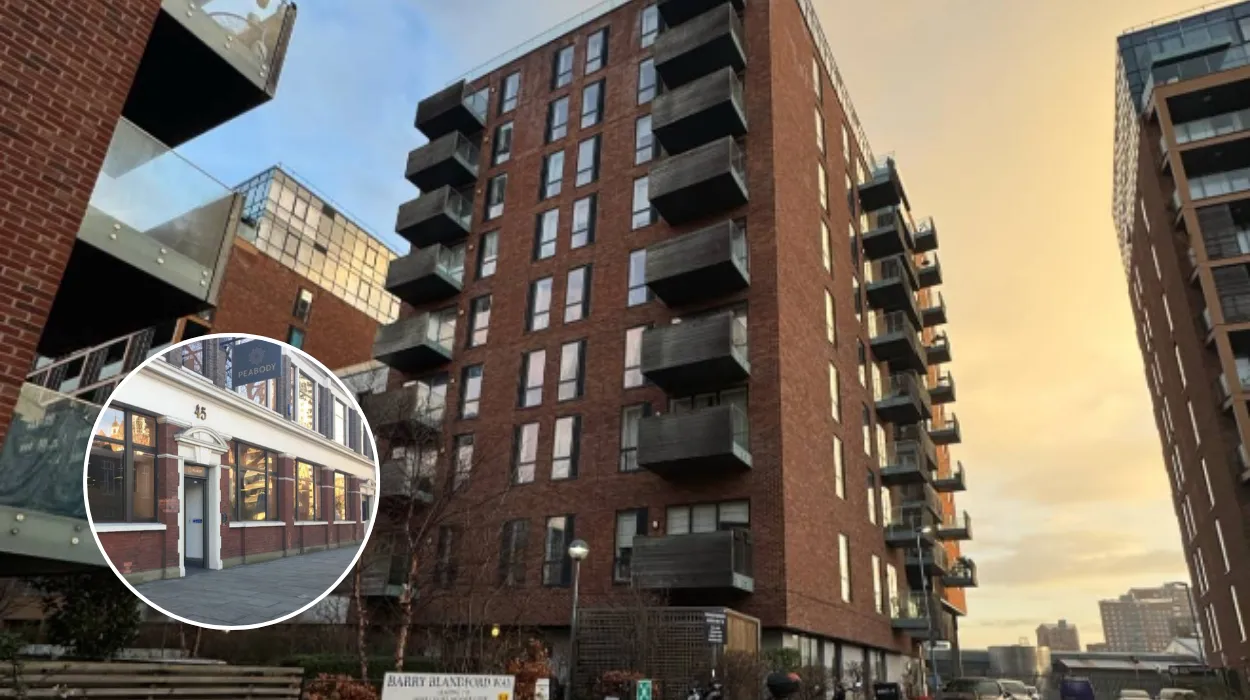
East London Peabody residents in Hoey Court and Massey House, Bromley-by-Bow, face a dire winter without heating or hot water, some enduring the hardship since September 2025, as their landlord Peabody Housing Association fails to deliver repairs despite repeated appeals.
- Key Points
- Who Are the Affected Residents and What Are They Experiencing?
- What Has Peabody Housing Association Done So Far?
- Why Is SHAC Involved and What Do They Say?
- How Does Peabody’s Financial Position Factor In?
- What Broader Housing Issues Does This Highlight?
- When Did the Problems Begin and How Long Have They Lasted?
- Where Exactly Is This Happening?
- How Can Residents Seek Resolution?
- What Should the Government Do Next?
This crisis unfolds in two towering residential blocks managed by Peabody, a major housing association, where systemic failures have plunged dozens of households into uncomfortable and potentially hazardous living conditions. Reports from affected tenants reveal a pattern of neglect, with temporary measures like blow-heaters offered as inadequate stopgaps. Campaigners warn of broader regulatory shortcomings, urging immediate government intervention amid Peabody’s substantial financial resources.
Who Are the Affected Residents and What Are They Experiencing?
Tenants in Hoey Court and Massey House describe a relentless ordeal exacerbated by the January chill. As one unnamed tenant explained in coverage by The Canary,
“It is almost unbelievable that Peabody is allowed to continue to make us suffer. For some of us, these issues started back in September and we are now in January.”
This resident further questioned,
“What kind of an organisation leaves vulnerable people, elderly, children and families without essential services in the coldest months of the year?”
The statement underscores the human toll, with families relying on makeshift solutions amid plummeting temperatures.
Persistent problems plague the buildings’ heating and hot water systems, according to multiple resident accounts compiled in The Canary‘s reporting. Despite outreach to Peabody’s maintenance teams, residents report being brushed off, prolonging the distress into 2026.
What Has Peabody Housing Association Done So Far?
Peabody has supplied blow-heaters to some tenants as a short-term fix, but this has done little to address the root causes. The association’s website (peabody.org.uk) positions it as a provider of social housing, yet residents’ pleas appear to have gone unheeded.
No direct statements from Peabody executives appear in available coverage, leaving tenants’ frustrations unaddressed publicly. Instead, the focus remains on residents’ repeated contacts yielding minimal action, as detailed in The Canary‘s exposé.
Why Is SHAC Involved and What Do They Say?
Suzanne Muna, secretary and co-founder of the housing campaign group SHAC (shaction.org), weighed in sharply on the crisis. As reported by The Canary, Suzanne Muna stated: “This is an intolerable situation for the householders affected by the broken plumbing. The lack of urgency by Peabody is staggering.”
She continued,
“It shows just why tougher accountability is needed in the housing association sector, and that we need a body to be set up that can inspect homes and enforce minimum living standards. The current regulatory system is just not working.”
Muna criticised the remedies available, noting,
“Landlords are able to ignore the fact that people are living in conditions that are hazardous to their health. And the remedy that government offers is a long-winded procedure through the landlord’s own complaints system, the Housing Ombudsman Service, and then the courts, or possibly a regulatory downgrade that might embarrass the landlord into fixing the problem.”
She concluded, “This is a desperate situation and government needs to make clear that it is not acceptable through meaningful enforcement.” SHAC’s involvement stems from a surge in complaints against Peabody, including this case.
How Does Peabody’s Financial Position Factor In?
SHAC emphasised that funding cannot excuse the delays. According to SHAC’s statement, as covered by The Canary,
“Peabody Housing Association made an operating surplus of £220m in the financial year ending 31 March 2025 according to its latest accounts.”
This robust surplus contrasts sharply with ongoing issues. SHAC noted receiving “an increasing volume of complaints about this landlord, concerning disrepairs including leaks, damp and mould.”
The group affirmed its commitment:
“SHAC will continue supporting the tenants and residents of Hoey Court and Massey House until Peabody completes the repairs properly.”
What Broader Housing Issues Does This Highlight?
This incident spotlights systemic flaws in housing association oversight. Suzanne Muna of SHAC, via The Canary, called for a dedicated inspectorate to enforce standards, bypassing protracted processes like the Housing Ombudsman Service.
Residents’ plight echoes wider concerns over damp, leaks, and mould in Peabody properties, per SHAC’s records. Vulnerable groups bear the brunt in Bromley-by-Bow, a Tower Hamlets area with dense social housing.
Government enforcement remains a key demand, with campaigners arguing current measures fail to deter neglect.
When Did the Problems Begin and How Long Have They Lasted?
Issues trace back to September 2025 for some households, spanning over four months into January 2026. The tenant quoted in The Canary highlighted this timeline:
“For some of us, these issues started back in September and we are now in January.”
Winter’s onset has intensified the crisis, turning essential services into luxuries for families in the two tower blocks.
Where Exactly Is This Happening?
Hoey Court and Massey House stand as prominent tower blocks in Bromley-by-Bow, east London, within the London Borough of Tower Hamlets. This densely populated area relies heavily on social housing providers like Peabody.
The location amplifies urgency, as east London’s urban density and cold snaps compound residents’ vulnerabilities.
How Can Residents Seek Resolution?
Tenants have pursued Peabody’s maintenance channels without success. SHAC advocates escalating via the Housing Ombudsman or courts, though Muna deems this “long-winded.”
Campaign support from SHAC offers advocacy, with the group vowing persistence until repairs conclude.
What Should the Government Do Next?
Suzanne Muna urged decisive action: “Government needs to make it clear that it is not acceptable through meaningful enforcement.” This includes potential regulatory downgrades or new inspection powers.
Peabody’s £220m surplus, per SHAC via The Canary, suggests capacity exists; the challenge lies in compulsion.
As of 7 January 2026, no repairs are confirmed complete, leaving residents in limbo.

