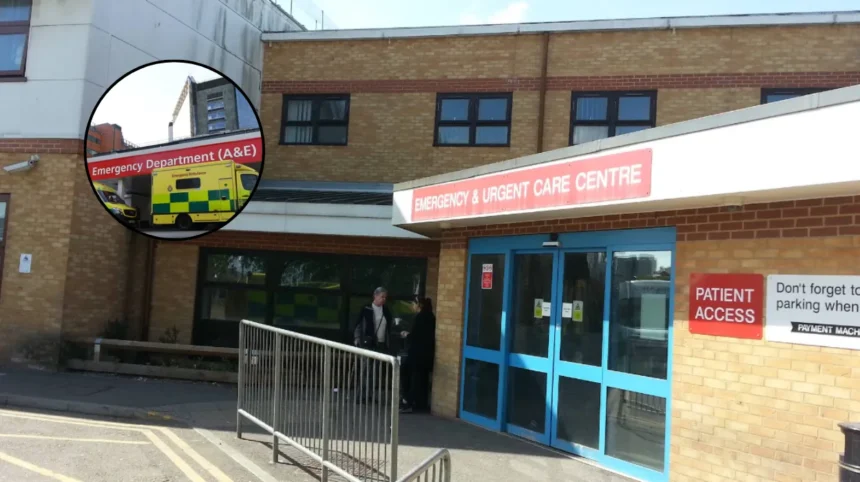
Key Points
- Emergency departments in Redbridge and Havering recorded their busiest month on record in March, with an average of 1,000 people seeking urgent and emergency care each day, according to NHS figures from Barking, Havering and Redbridge University Hospitals NHS Trust (BHRUT).
- BHRUT’s two hospitals, Queen’s Hospital and King George Hospital, treated a total of 31,214 patients over the month.
- Demand has risen steadily, with the highest single-day attendance of 1,003 people recorded in November last year.
- Queen’s Hospital A&E saw more than 750 patients a day, more than double its intended capacity of 325, leading to long waits, overcrowding, and patients treated in corridors.
- The NHS warned that this pressure has “real consequences”.
- BHRUT is campaigning for £42 million to replace Queen’s Hospital’s 20-year-old emergency department.
- Improvements noted: In February 2026, 10,000 fewer hours of corridor care at Queen’s compared with the previous year, saving around £150,000 in temporary staffing costs.
- Fiona Wheeler, chief operating officer and deputy chief executive, stated: “Despite these improvements, the department isn’t fit for purpose, which is why we’re campaigning for the £42 million needed to transform it for patients and staff.”
- Outgoing chief executive Matthew Trainer said he was “confident we will receive the funding needed to develop a modern, fit-for-purpose department and eradicate corridor care”.
- Rising numbers of patients with mental health needs attending A&E and facing delays.
- Staff using crisis assessment hub at Goodmayes Hospital, run by North East London NHS Foundation Trust, to ease pressure.
Redbridge, Havering (East London Times) April 25, 2026 –
- Key Points
- Why Did Redbridge and Havering Hospitals See Record A&E Attendance in March?
- What Improvements Have BHRUT Hospitals Made Amid A&E Pressures?
- How Is BHRUT Addressing Rising Mental Health Presentations in A&E?
- What Is the £42 Million Campaign for Queen’s Hospital A&E?
- How Does Corridor Care Reduction Impact BHRUT’s Operations?
- What Role Does Goodmayes Hospital Play in Relieving A&E Strain?
- Why Is Queen’s Hospital A&E Operating Double Its Capacity?
- Background of the A&E Demand Surge at BHRUT
- Predictions: Impact on Redbridge and Havering Residents
Emergency departments across Redbridge and Havering have recorded their busiest month on record, as data from Barking, Havering and Redbridge University Hospitals NHS Trust (BHRUT) reveals an average of 1,000 people sought urgent and emergency care each day in March. The trust’s two hospitals, Queen’s Hospital and King George Hospital, treated a total of 31,214 patients over the month, marking a significant escalation in demand.
Why Did Redbridge and Havering Hospitals See Record A&E Attendance in March?
The surge in attendance underscores ongoing pressures on local healthcare services. Demand has risen steadily over recent months, with the highest single-day figure of 1,003 people attending A&E recorded in November last year. As reported in NHS figures cited by BHRUT, this level of pressure carries “real consequences”, including long waits, overcrowding, and patients being treated in corridors.
The situation has proved “particularly challenging” at Queen’s Hospital, where the A&E department managed more than 750 patients a day—more than double its intended capacity of 325. King George Hospital also contributed to the overall total, though specific daily averages for that site were not broken out in the data.
What Improvements Have BHRUT Hospitals Made Amid A&E Pressures?
Despite these challenges, BHRUT highlighted some progress. In February 2026, staff at Queen’s Hospital recorded 10,000 fewer hours of corridor care compared with the previous year. This reduction saved around £150,000 in temporary staffing costs.
Fiona Wheeler, chief operating officer and deputy chief executive at BHRUT, addressed these developments directly. As reported by local health correspondents covering the trust’s updates, Wheeler said:
“Despite these improvements, the department isn’t fit for purpose, which is why we’re campaigning for the £42 million needed to transform it for patients and staff.”
Outgoing chief executive Matthew Trainer echoed this sentiment. Trainer added that he was “confident we will receive the funding needed to develop a modern, fit-for-purpose department and eradicate corridor care”.
How Is BHRUT Addressing Rising Mental Health Presentations in A&E?
The trust also reported rising numbers of patients with mental health needs attending A&E departments, where they often face delays in accessing appropriate support. To mitigate this, staff have increased use of the crisis assessment hub at Goodmayes Hospital, operated by the North East London NHS Foundation Trust. This facility supports patients before they reach emergency departments, helping to ease overall pressure.
BHRUT’s data release, which forms the basis of coverage across multiple outlets including East London news services, provides a comprehensive snapshot of March’s attendance. No additional factors such as specific seasonal illnesses or external events were detailed in the figures, but the steady rise points to sustained systemic demand.
What Is the £42 Million Campaign for Queen’s Hospital A&E?
Queen’s Hospital’s emergency department, now over 20 years old, lies at the heart of BHRUT’s funding push. The trust is actively campaigning for £42 million to replace the facility entirely. This initiative aims to address capacity shortfalls and outdated infrastructure, directly tackling issues like corridor care and overcrowding.
Wheeler’s statement underscores the urgency, positioning the campaign as essential for both patients and staff. Trainer’s confidence in securing funds reflects internal optimism, though no timeline for approval has been confirmed.
How Does Corridor Care Reduction Impact BHRUT’s Operations?
The 10,000-hour reduction in corridor care at Queen’s Hospital in February 2026 represents a tangible operational gain. This not only improved patient experience by minimising makeshift treatments but also delivered financial savings of around £150,000 through lower reliance on temporary staff.
Such measures indicate adaptive strategies within BHRUT, even as record demand persists. The trust’s dual focus on immediate efficiencies and long-term investment highlights efforts to balance current crises with future resilience.
What Role Does Goodmayes Hospital Play in Relieving A&E Strain?
Greater utilisation of the crisis assessment hub at Goodmayes Hospital marks a collaborative approach. Run by the North East London NHS Foundation Trust, the hub diverts suitable cases away from full A&E attendance, particularly for mental health crises.
This integration helps manage the influx of patients with mental health needs, who have increased in number. Delays in specialist support remain a noted issue, but the hub’s role demonstrates inter-trust coordination in Redbridge and Havering.
Why Is Queen’s Hospital A&E Operating Double Its Capacity?
At over 750 daily patients against a 325 capacity, Queen’s Hospital exemplifies the scale of the challenge. This exceeds targets by more than double, contributing to the NHS’s broader warnings of “real consequences” like extended waits and corridor treatments.
BHRUT’s March total of 31,214 patients across both sites—averaging 1,000 per day—sets a record benchmark. The November peak of 1,003 attendees further illustrates the trend’s persistence.
Background of the A&E Demand Surge at BHRUT
BHRUT oversees Queen’s Hospital in Romford and King George Hospital in Goodmayes, serving Redbridge, Havering, and Barking communities. Record March attendance builds on prior highs, with steady increases noted since at least November 2025. The trust’s emergency departments have faced capacity strains for years, exacerbated by an ageing A&E at Queen’s, built over 20 years ago. NHS-wide pressures, including post-pandemic backlogs and population growth in East London, form the context, though BHRUT-specific data focuses on local metrics. Collaborative efforts with partners like North East London NHS Foundation Trust date back several years, with the Goodmayes hub established to handle mental health diversions. Funding campaigns for infrastructure upgrades have been ongoing, reflecting long-term recognition of these issues.
Predictions: Impact on Redbridge and Havering Residents
Sustained high demand at BHRUT hospitals could prolong wait times for local residents seeking urgent care, particularly at Queen’s Hospital where capacity is already overstretched. Patients in Redbridge and Havering may experience more frequent corridor treatments or diversions to the Goodmayes hub, affecting those with mental health needs through potential delays in specialised support. If the £42 million funding materialises, it might reduce overcrowding over time, enabling better handling of average daily attendances around 1,000. Without it, record levels like March’s 31,214 patients could recur, straining resources and increasing reliance on temporary measures. Improvements such as the 10,000-hour corridor care cut suggest possible efficiencies, but ongoing rises in mental health presentations may continue to challenge access for vulnerable community members.