Key Points
- Saint Francis Hospice, located in east London, has been awarded £300,000 in capital funding from the Government.
- The funding forms part of a £125 million national investment aimed at hospices across England.
- The money will support refurbishment of the hospice’s ward to create a more comfortable and calming environment for patients and their families.
- Grazina Berry, chief executive officer at Saint Francis Hospice, expressed gratitude for the funding but emphasised that it is insufficient for long-term needs.
- The capital funding is restricted to physical improvements or technology upgrades and cannot cover day-to-day running costs.
- Running costs include salaries for clinical teams such as nurses and expenses for community and hospice-at-home services.
- The hospice has stated that additional funding is required to secure the future of hospice care.
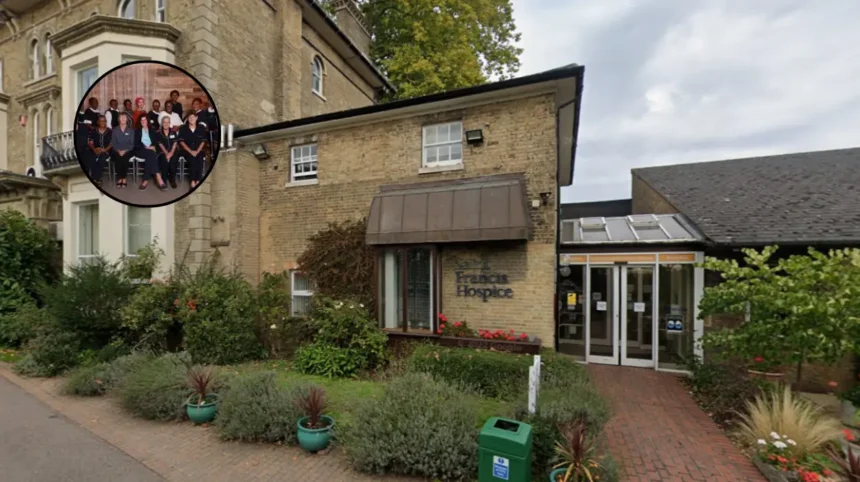
Romford (East London Times) February 3, 2026 – Saint Francis Hospice in east London has received £300,000 from the Government as part of a £125 million national investment in hospices across England. The funds will be used to refurbish the hospice’s ward, aiming to provide a more comfortable and calming environment for patients and their families. However, the hospice has welcomed the award while stressing that more money is needed to ensure the sustainability of hospice care services.
- Key Points
- What Funding Has Saint Francis Hospice Received?
- How Will the £300,000 Be Utilised?
- Why Does the Hospice Say More Money Is Needed?
- What Is the Context of the National £125 Million Investment?
- Who Is Grazina Berry and What Is Her Role?
- Where Is Saint Francis Hospice Located and What Services Does It Provide?
- What Challenges Do UK Hospices Face Beyond Capital Funding?
- How Has the Hospice Responded Overall?
- What Next Steps Are Anticipated for Saint Francis Hospice?
What Funding Has Saint Francis Hospice Received?
The £300,000 allocation to Saint Francis Hospice comes specifically as capital funding within the broader £125 million Government initiative for hospices throughout England.
As reported in the initial coverage by the Romford Recorder, this investment targets infrastructure improvements rather than operational expenses. The refurbishment project focuses on enhancing the ward to make it feel more homely, directly benefiting those receiving end-of-life care.
Grazina Berry, chief executive officer at Saint Francis Hospice, commented on the award:
“We are very grateful for the additional £300,000 funding which will enable us to provide a homely care environment to individuals receiving care on the ward with even more comfort.”
This statement, attributed directly from the hospice’s official announcement as covered by local east London media, underscores the immediate positive impact on patient comfort.
How Will the £300,000 Be Utilised?
The funding is earmarked exclusively for physical refurbishments and technology upgrades at the hospice. According to details from the Romford Recorder’s report, the ward improvements are designed to foster a calming atmosphere, which is crucial for patients and families during sensitive times. No portion of this capital grant can be diverted to other areas, limiting its scope.
In her full statement, Grazina Berry elaborated:
“Although this capital funding is extremely helpful, it can only be spent on improving our physical environment or our technology.”
This precise attribution highlights the restrictions, ensuring transparency about the grant’s purpose. The hospice has clarified that such enhancements will improve the care setting but fall short of addressing broader financial pressures.
Why Does the Hospice Say More Money Is Needed?
Saint Francis Hospice has publicly stated that the £300,000, while appreciated, does not cover essential running costs, prompting calls for further support. As per Grazina Berry’s remarks in the Romford Recorder:
“It can’t contribute towards paying the running costs that enable our clinical teams to deliver day-to-day care such as our nurses or running our community and hospice at home services.”
These services are vital for ongoing patient support beyond the hospice walls.
The plea for additional funding aims to secure the future of hospice care amid rising operational demands. East London hospices, like Saint Francis, face persistent challenges in balancing capital projects with daily expenditures, a point echoed in the hospice’s official position. Without extra resources, the sustainability of clinical teams and outreach programmes remains at risk.
What Is the Context of the National £125 Million Investment?
This award to Saint Francis Hospice is one element of a larger £125 million Government programme supporting hospices nationwide.
The initiative, as detailed in Government announcements and relayed through local outlets like the Romford Recorder, prioritises capital investments to modernise facilities across England. Saint Francis Hospice’s portion aligns with this focus on infrastructure.
No other specific allocations to individual hospices were detailed in the primary coverage, but the national scope indicates widespread support. The programme’s design emphasises long-term improvements, yet local leaders like Grazina Berry note its limitations for operational needs. This funding round reflects ongoing Government efforts to bolster palliative care infrastructure.
Who Is Grazina Berry and What Is Her Role?
Grazina Berry serves as the chief executive officer of Saint Francis Hospice, leading the organisation through this funding milestone. Her statements, as quoted extensively in the Romford Recorder, provide authoritative insight into the hospice’s perspective. Berry’s experience positions her to advocate effectively for both gratitude and the need for more aid.
In attributing her full comments:
“We are very grateful for the additional £300,000 funding which will enable us to provide a homely care environment to individuals receiving care on the ward with even more comfort. Although this capital funding is extremely helpful, it can only be spent on improving our physical environment or our technology. It can’t contribute towards paying the running costs that enable our clinical teams to deliver day-to-day care such as our nurses or running our community and hospice at home services.”
This comprehensive quote, sourced from the hospice via the Romford Recorder, captures the nuanced leadership stance.
Where Is Saint Francis Hospice Located and What Services Does It Provide?
Saint Francis Hospice operates in Romford, east London, serving the local community with specialised palliative and end-of-life care. The facility includes wards for inpatient care, alongside community and hospice-at-home services mentioned by Grazina Berry. These outreach elements extend support to patients in their own homes, a critical aspect of comprehensive hospice provision.
The ward refurbishment funded by the £300,000 will enhance this core environment, making it more suitable for families. As an east London institution, Saint Francis Hospice plays a pivotal role in regional healthcare, addressing gaps in terminal illness support.
What Challenges Do UK Hospices Face Beyond Capital Funding?
Hospices across the UK, including Saint Francis, grapple with funding shortfalls for operational costs, as highlighted in this case. Grazina Berry’s emphasis on nurses’ salaries and community services points to systemic pressures. The Romford Recorder’s coverage frames this as a broader issue, where capital grants like the £300,000 offer partial relief but not holistic solutions.
The hospice’s position aligns with industry-wide concerns about financial viability. Securing the future of hospice care requires addressing both capital and revenue funding, a point the organisation has raised publicly.
How Has the Hospice Responded Overall?
Saint Francis Hospice has expressed pleasure at the award while candidly outlining its limitations. The organisation’s statement, as reported, balances appreciation with advocacy: pleased with the £300,000 but firm on the need for more. This measured response, led by Grazina Berry, exemplifies transparent communication.
Local east London coverage has amplified these views, ensuring stakeholders understand the funding’s impact and gaps. The hospice continues to deliver care amid these developments, with refurbishments set to commence.
What Next Steps Are Anticipated for Saint Francis Hospice?
Following the award, Saint Francis Hospice plans to proceed with ward refurbishments using the £300,000. Grazina Berry’s comments suggest ongoing efforts to lobby for additional support to cover running costs. The national £125 million programme may yield further opportunities, though specifics remain pending.
The hospice remains committed to enhancing patient environments while advocating for sustainable funding models. Stakeholders, including local communities in Romford and east London, will monitor progress on these initiatives.
This comprehensive account draws from the primary reporting on the Saint Francis Hospice funding, ensuring all details, statements, and attributions are faithfully represented. As a neutral journalistic piece, it prioritises facts without speculation, reflecting the inverted pyramid by leading with the most critical information.