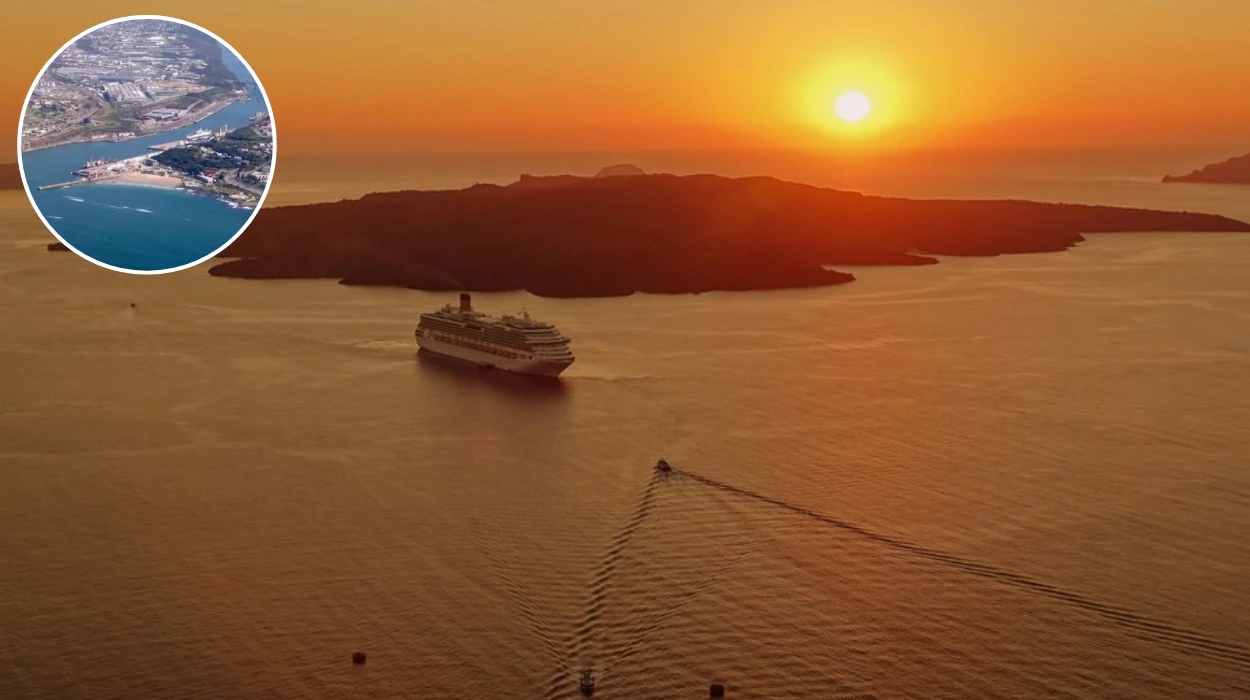
- The Port of East London has emerged as a significant hub for cruise ship tourism in South Africa, boosting local economy through increased hospitality, services, and tourist spending, but faces severe infrastructure challenges.
- Rapid growth in cruise ship arrivals strains outdated facilities not designed for high cruise traffic, leading to bottlenecks in passenger terminals, customs processing, and cargo handling, with long queues and insufficient amenities.
- Stakeholders including tourism operators and local authorities warn of potential damage to East London’s reputation as a cruise destination without immediate upgrades like expanded docking, upgraded terminals, and improved logistics.
- Environmental concerns arise from increased ship traffic, emissions, waste, and resource strain, prompting calls for sustainable practices, regulations on waste disposal, sustainable energy, and green initiatives.
- Transnet National Ports Authority (TNPA) broke ground on R147 million Latimer’s Landing redevelopment to attract small-ship and expedition cruises, aligning with tourism diversification strategy, per Phyllis Difeto, Acting Chief Executive.
- Port handles multi-purpose cargo with 90,000 TEU capacity, drydock for vessels up to 200m LOA, and plans under Operation Phakisa for dredging, crane upgrades to boost capacity; 2015 stats: 330 ships, 66,293 TEUs.
- Recommendations emphasise public-private partnerships, better coordination among local authorities, port officials, and tourism stakeholders, plus community engagement for sustainable growth.
South Africa’s Port of East London confronts a mounting crisis as booming cruise tourism overwhelms its ageing infrastructure, risking the sector’s economic promise amid bottlenecks and sustainability fears. Travel and Tour World warns that without urgent upgrades to docking, terminals, and logistics, the port could falter under surging ship arrivals. Transnet National Ports Authority’s ongoing waterfront projects offer hope, but stakeholders demand swift action to safeguard East London’s rise as a coastal gem.
- What Sparks the Infrastructure Crisis at East London Port?
- Why Is Cruise Tourism Booming in East London?
- What Specific Infrastructure Challenges Emerge?
- How Do Stakeholders Propose Solutions?
- What Environmental Risks Threaten Sustainability?
- Who Leads the Response Efforts?
- How Does the Port’s Capacity Compare Historically?
- What Economic Gains Justify Urgent Action?
- Why Engage the Community Now?
- What Path Lies Ahead for Cruise Tourism?
What Sparks the Infrastructure Crisis at East London Port?
As detailed in Travel and Tour World’s article “South Africa’s Port of East London Faces Crisis: Can Infrastructure Handle the Booming Cruise Tourism?” published 15 December 2025, the port has become a key gateway for cruise ships along South Africa’s coastline, drawing passengers to pristine beaches and vibrant culture. The publication notes a steady rise in ship arrivals boosting hospitality and tourist spending, yet the facilities, not originally designed for such volumes, now strain under pressure.
Cruise Arabia reports that Transnet National Ports Authority (TNPA) initiated a R147 million redevelopment of Latimer’s Landing on 16 November 2025 to position the port for small-ship and expedition cruises, enhancing shoreside experiences. Phyllis Difeto, Acting Chief Executive of TNPA, stated: “This milestone comes at a time when the business is focused on growing and stabilising itself through Transnet’s Reinvent for Growth Strategy. This development charts a new course for the Eastern Cape economy by supporting value-adding industries”.
Why Is Cruise Tourism Booming in East London?
Travel and Tour World highlights the port’s role in South Africa’s growing coastal tourism allure, with cruise lines ramping operations and tourists exploring breathtaking views. The influx positions East London as an emerging destination in the national market, with undeniable economic benefits from passenger spending.
CruiseMapper’s port schedule underscores operational capacity, noting the multi-purpose container terminal’s 90,000 TEU annual handling and drydock for vessels up to 200m length and 25m width. In 2015 statistics, the port managed 330 ships with 66,293 TEUs, signaling potential for expansion under Operation Phakisa, which includes dredging for larger vessels.
What Specific Infrastructure Challenges Emerge?
Travel and Tour World specifies pressures on passenger terminals, customs processing, and cargo areas, causing long queues and outdated amenities that mar visitor experiences. Tourism operators and local authorities voice alarms that unresolved issues could tarnish the port’s reputation.
The article attributes strains to lack of comprehensive planning and governance, exacerbating congestion without corresponding improvements. Cruise ports guides like About2Cruise and CruisePortNavigator describe East London as South Africa’s only commercial river port, ideal for budget excursions but vulnerable to overcrowding.
How Do Stakeholders Propose Solutions?
Experts cited by Travel and Tour World recommend expanding docking facilities, upgrading passenger terminals, and enhancing logistics to boost capacity and visitor satisfaction. Calls intensify for coordination between local authorities, port officials, and tourism stakeholders to streamline arrivals via public-private partnerships.
TNPA’s Latimer’s Landing project, handled by contractor Stefanutti Stocks with local SMME involvement, targets completion in April 2027, integrating leisure markets per Difeto. AfricaPorts and SA-Venues note historical significance, urging maritime service upgrades.
What Environmental Risks Threaten Sustainability?
Travel and Tour World raises alarms over higher emissions, waste, and resource strain from increased traffic, urging sustainable energy, waste regulations, and green initiatives to balance growth. Unmanaged growth risks overcrowding, pollution, and loss of appeal for cruise lines.
The piece stresses a sustainable tourism model preserving East London’s natural beauty through government, operator, and environmental group cooperation.
Who Leads the Response Efforts?
Phyllis Difeto of TNPA emphasised the project’s alignment with tourism objectives: “The investment aligns with the positioning of the port for the tourism sector, a TNPA strategic objective aimed at expanding the port’s service offering by integrating with the leisure market”. Transnet’s broader Reinvent for Growth Strategy supports diversification.
Travel and Tour World advocates community engagement, giving residents, businesses, and stakeholders input to mitigate over-tourism negatives.
How Does the Port’s Capacity Compare Historically?
CruiseMapper details Operation Phakisa refurbishments like ZAR 219 million drydock upgrades and new crane rails to increase cargo and manoeuvring for larger ships. Enterprise Africa reported 2018 expansion plans, while current stats show bulk and breakbulk handling alongside cruise growth.
Ports like East London, per QA Transnet, focus on automotive and maritime enhancements.
What Economic Gains Justify Urgent Action?
Travel and Tour World underscores boosts to local economy, positioning East London at a crossroads with significant opportunities if weaknesses are addressed. Waterfront regeneration via Latimer’s Landing catalyses Eastern Cape activity.
Why Engage the Community Now?
The article insists local input ensures benefits from tourists while minimising impacts, fostering long-term success. Stefanutti Stocks’ SMME commitments exemplify inclusive procurement.
What Path Lies Ahead for Cruise Tourism?
Travel and Tour World charts upgrades, sustainable models, and collaboration as essentials for East London to thrive as a premier destination. With investments in infrastructure, regulation, and sustainability, the port can sustain its boom.