Key Points
- Bethnal Green’s former town hall, opened in 1910, was converted into the Town Hall Hotel exactly 100 years later in 2010.
- The Grade II-Listed building blends Edwardian architecture with Art Deco fixtures and modern extensions by DROO and NAME Architecture.
- Features original elements like marble staircases, oak panelling, stained glass, and boards listing deceased former councillors up to the 1970s.
- Houses contemporary art, including strange installations such as a giant bear made from carpet pieces and graphic wood carvings depicting sex scenes.
- Includes a Michelin-starred restaurant and attracts an international, artsy crowd due to its proximity to East London’s cultural venues like Moth Club, The Seabright Arms, and Village Underground.
- The hotel’s imposingly handsome Portland stone facade contrasts with a striking 2010-added roof and rear extension containing many guest rooms.
- Described as surprisingly low-key despite its grand scale, appealing to frequent visitors to the area who do not own property there.
- Celebrates its 15th anniversary in 2025, combining historical fixtures with mid-century furniture, antique safes, and artwork from London College of Fashion students.
Bethnal Green (East London Times) January 24, 2026 – A former Edwardian town hall in Bethnal Green, now the acclaimed Town Hall Hotel, offers guests a unique blend of historical grandeur and contemporary flair, as detailed in a firsthand account by a visitor exploring its marble staircases, eclectic artwork, and Michelin-starred dining.
- Key Points
- What Is the History Behind Bethnal Green’s Town Hall Hotel?
- How Does Edwardian Architecture Meet Modern Design Here?
- What Unique Artwork and Fixtures Define the Guest Experience?
- Why Does the Town Hall Hotel Attract an Artsy International Crowd?
- What Dining and Amenities Elevate the Stay?
- How Has the Town Hall Hotel Evolved Since Its 2010 Opening?
- What Makes Staying Here Feel Surprisingly Low-Key?
- Is the Town Hall Hotel a Must-Visit for East London Explorers?
- Broader Context: Adaptive Reuse in East London
- Visitor Insights and Atmosphere
- Future Outlook for the Town Hall Hotel
What Is the History Behind Bethnal Green’s Town Hall Hotel?
Bethnal Green’s town hall first opened its doors in 1910, serving as a civic hub for over six decades until it ceased functioning as a town hall in the 1970s. One hundred years after its inception, in 2010, the building underwent a remarkable transformation into the eponymous Town Hall Hotel.
This Grade II-Listed structure preserves its original fixtures and fittings, evoking an era when public buildings boasted marble staircases, oak panelling, and stained glass as standard features.
The walls bear boards detailing the deceased men who once governed from these corridors, providing a poignant historical record. As reported in the original feature from MyLondon, the hotel celebrates its 15th anniversary this year, marking a decade and a half of blending heritage with modernity.
This conversion has turned a stately civic relic into a vibrant hospitality destination in one of East London’s most creative neighbourhoods.
How Does Edwardian Architecture Meet Modern Design Here?
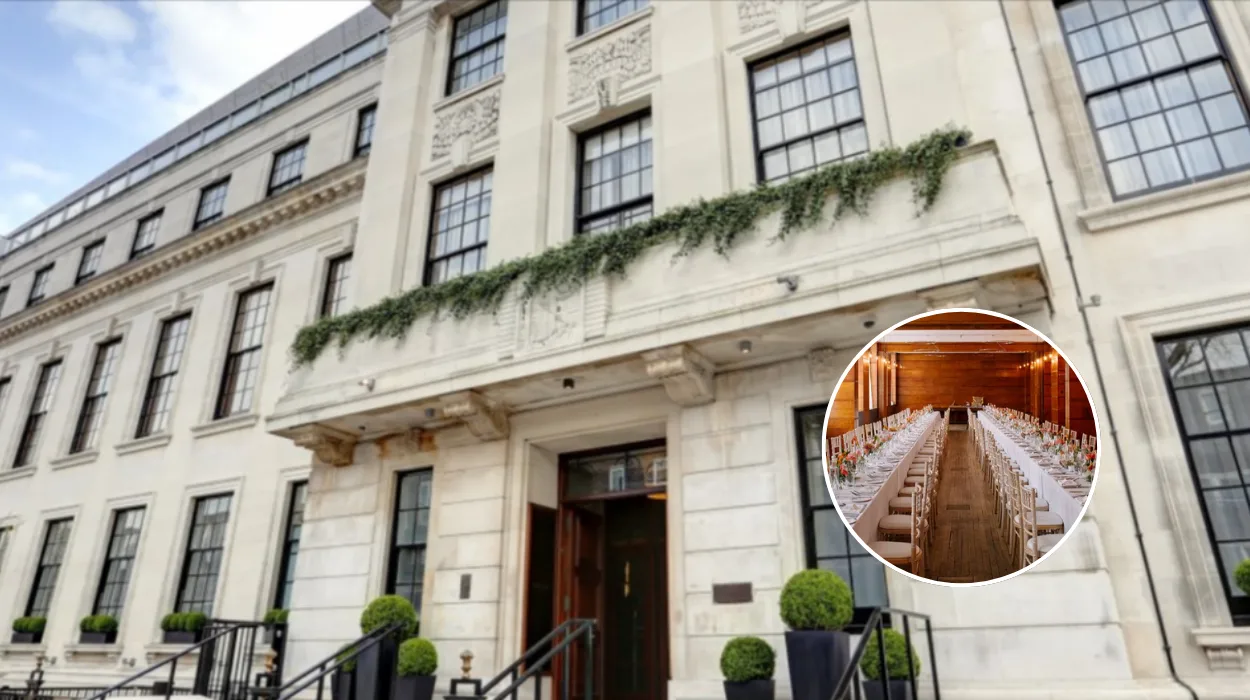
The hotel’s imposingly handsome Portland stone facade stands in striking contrast to the 2010-added roof and rear extension designed by DROO and NAME Architecture, which houses many of the guest rooms.
Inside, 1910s Edwardian architecture intertwines with Art Deco fixtures, creating a seamless fusion of periods. Contemporary art dots the corridors, bringing the space into the 21st century.
Visitors encounter a hodgepodge of styles: mid-century furniture sits alongside antique safes, presumed remnants from the building’s civic past. Artwork from London College of Fashion students enhances the eclectic mix. This thoughtful curation ensures the hotel feels both timeless and forward-looking, appealing to design enthusiasts.
What Unique Artwork and Fixtures Define the Guest Experience?
One of the main attractions remains the preserved original elements, such as sweeping marble staircases that guide guests through the grand interior. Oak panelling lines walls, while stained glass windows filter light into intricate patterns. As described in the MyLondon piece, some contemporary installations prove particularly unusual—a giant bear constructed from pieces of carpet stands guard in one corridor.
Wood carvings on the walls depict graphic sex scenes, which appear to be original features from the building’s history. These bold elements coexist with more subdued historical touches, like the memorial boards for former councillors. The overall effect is surprisingly low-key for such a large and stately edifice, fostering an intimate atmosphere amid the opulence.
Why Does the Town Hall Hotel Attract an Artsy International Crowd?
The hotel draws a particularly creative clientele, including international visitors who frequent East London’s vibrant scene but stop short of property ownership in the area. Its location places it within walking distance of iconic cultural venues such as the Moth Club, The Seabright Arms, and Village Underground.
This proximity positions the Town Hall Hotel as a hub for those immersed in the capital’s coolest neighbourhood.
Guests likely already appreciate Bethnal Green’s reputation for artistic energy, returning often enough to savour its offerings without committing to residency. The combination of historical prestige and modern cultural adjacency enhances its allure. Neutral observers note that this demographic thrives on the hotel’s unpretentious grandeur, making it a repeat destination.
What Dining and Amenities Elevate the Stay?
A standout feature is the on-site Michelin-starred restaurant, which elevates the hotel’s culinary profile amid its architectural wonders. This dining option complements the artistic environment, offering sophisticated fare in a setting rich with heritage.
The building’s rear extension, added in 2010, integrates seamlessly to provide comfortable accommodations without detracting from the original charm.
Additional amenities include spaces that showcase the fusion of eras, from Art Deco accents to student-curated exhibitions. These elements ensure a multifaceted experience for travellers seeking more than a standard stay. The hotel’s design philosophy prioritises authenticity, preserving quirks like the provocative carvings while introducing contemporary comforts.
How Has the Town Hall Hotel Evolved Since Its 2010 Opening?
Since its debut as a hotel 15 years ago, the Town Hall Hotel has matured into a cultural landmark. The DROO and NAME Architecture extension modernised the rear, accommodating guest needs while respecting the Portland stone frontage. Over time, rotating art displays, including those from London College of Fashion, have kept the interiors dynamic.
Historical boards and fixtures remain untouched, anchoring the space in its 1910 origins. The 1970s closure as a town hall adds layers of narrative, intriguing history buffs. This evolution reflects broader trends in East London, where adaptive reuse transforms public buildings into experiential hospitality venues.
What Makes Staying Here Feel Surprisingly Low-Key?
Despite its imposing scale and architectural pedigree, the Town Hall Hotel exudes a relaxed vibe. Grand marble staircases and oak-lined halls might suggest formality, yet the eclectic art and casual layout foster approachability. Carpet bears and risqué carvings inject whimsy, countering any stuffiness.
Its position near grassroots venues like Village Underground reinforces this unassuming character. Guests navigate a labyrinth of styles—from Edwardian to Art Deco to postmodern—without ostentation. This balance suits the artsy crowd, who value substance over show.
Is the Town Hall Hotel a Must-Visit for East London Explorers?
For those drawn to Bethnal Green’s creative pulse, the hotel offers an immersive base. Walking distance to Moth Club and The Seabright Arms means culture is at hand. The Michelin-starred restaurant provides a high note, while preserved features deliver historical depth.
Neutral reporting highlights its appeal as a low-key luxury option in a buzzy area. Whether revisiting regulars or first-timers, visitors encounter a building alive with stories—from 1910 councillors to today’s artists. As East London evolves, the Town Hall Hotel stands as a testament to thoughtful preservation.
Broader Context: Adaptive Reuse in East London
Bethnal Green’s transformation mirrors wider trends in converting civic buildings into hotels across the capital. Grade II-Listed status ensures protections, blending past and present effectively. DROO and NAME’s contributions exemplify how extensions can enhance without overwhelming heritage.
Contemporary art integration, from carpet sculptures to fashion student works, positions the hotel as a gallery-like space. This approach attracts global tastemakers, sustaining its niche. Proximity to underground venues cements its role in the neighbourhood’s cultural fabric.
Visitor Insights and Atmosphere
Check-in reveals a space where history whispers through every corner. Marble echoes underfoot, stained glass casts hues, and art provokes thought. The artsy demographic chats easily, drawn by shared appreciation for the locale.
Antique safes hint at administrative ghosts, while mid-century pieces add warmth. Graphic carvings spark curiosity—are they truly original? Such details make each stay narrative-driven, rewarding exploration.
Future Outlook for the Town Hall Hotel
Approaching its 16th year, the hotel continues to draw acclaim for its hybrid charm. Ongoing art curation promises freshness, while core fixtures endure. In Bethnal Green’s dynamic scene, it remains a constant, low-key beacon.
As East London grows, demand for such authentic stays likely rises. Neutral analysts see sustained appeal for those valuing heritage amid modernity. The Town Hall Hotel endures as a living archive, open to discerning guests.