Key Points
- Funding Amount: A £60,000 grant has been awarded to St Hilda’s East Community Centre.
- Donor Organisation: The funding is provided by the London Freemasons through the Masonic Charitable Foundation.
- Target Beneficiaries: The grant will directly support 150 children under the age of five with additional needs, special educational needs and disabilities (SEND), alongside their families.
- Location: The initiative is based in the London Borough of Tower Hamlets, specifically serving local east London families.
- Project Scope: Funding will sustain the ‘Support for Children under five and their Families’ project, featuring inclusive Stay & Play sessions and specialized sensory room access.
- Core Objectives: The programme aims to improve early communication, foster sensory development, build parental confidence, reduce isolation, and ensure nursery readiness.
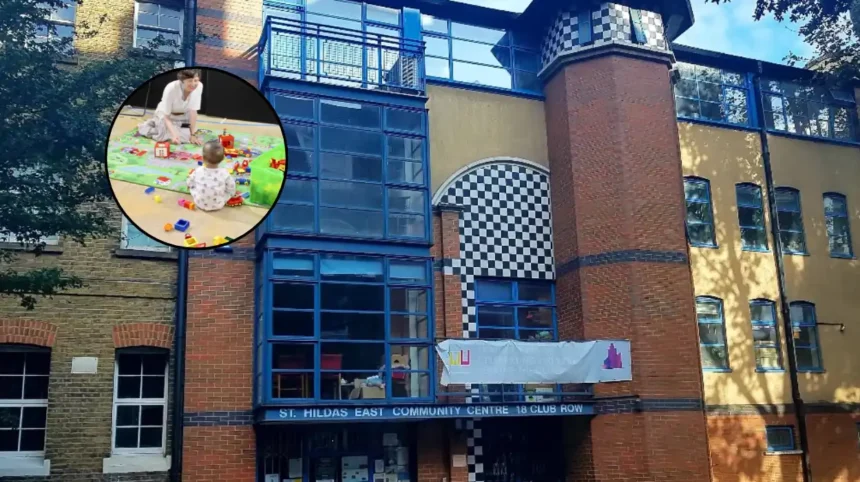
Tower Hamlets (East London Times) October 20, 2026 – Dozens of young children presenting with additional needs across east London are set to receive targeted early intervention following the approval of a significant financial package. St Hilda’s East Community Centre, a long-established charity operating in the borough of Tower Hamlets, has secured a £60,000 charitable grant dedicated to expanding its vital early years services. The major contribution, delivered by the London Freemasons, is earmarked to fund specialized resources, tailored interactive sessions, and professional support staff over a structured multi-year delivery period.
- Key Points
- How Will the £60,000 London Freemasons Grant Be Utilised by St Hilda’s East?
- Why Is Early Years Support Critical for Children with Additional Needs in Tower Hamlets?
- How Does the Project Assist Families and Caregivers of Children under Five?
- What Statements Have Been Made by St Hilda’s East and the London Freemasons?
- Background of the Particular Development
- Prediction: How This Development Can Affect Children, Families, and Local Services in Tower Hamlets
How Will the £60,000 London Freemasons Grant Be Utilised by St Hilda’s East?
The newly allocated £60,000 funding stream will directly underpin St Hilda’s East’s dedicated initiative titled the ‘Support for Children under five and their Families’ project. Operating out of the charity’s main center in Sonali Gardens and surrounding satellite facilities within Tower Hamlets, the scheme focuses on delivering structured early-stage intervention for pre-school children who display developmental delays, physical disabilities, or complex communication challenges.
A primary destination for the grant funds is the maintenance and facilitation of regular Stay & Play sessions tailored specifically for neurodivergent infants and children with physical disabilities. These sessions are structured to offer a secure, fully accessible environment where young participants engage in multi-sensory activities designed to improve early motor skills, social interaction, and language acquisition before entering formal education environments.
In addition to open-ended play provision, a core component of the funded project involves the upkeep and ongoing operation of St Hilda’s East’s specialist sensory room. The purpose-built facility incorporates tactile, visual, and auditory equipment—including soft play modules, interactive light columns, fiber-optic arrays, and calming acoustic elements—to aid sensory integration and emotional regulation for children under the age of five.
Why Is Early Years Support Critical for Children with Additional Needs in Tower Hamlets?
Tower Hamlets remains one of the London boroughs with the highest rates of child poverty and deprivation, factors that frequently intersect with challenges in accessing timely healthcare and educational assessments. Early intervention during the first five years of a child’s life is recognized by pediatric specialists and early years educators as a critical window for cognitive, emotional, and physical development.
For infants and toddlers displaying developmental delays or sensory processing sensitivities, early access to specialized play spaces dramatically improves their nursery readiness. Without adequate early intervention, children with additional needs face higher risks of falling behind their peers prior to entering primary school, leading to compounded educational difficulties in later years.
The ‘Support for Children under five and their Families’ initiative actively addresses these developmental gaps by providing structured environments that mirror early primary and nursery settings. By helping young children build foundational social, communicative, and physical competencies, the scheme aims to ensure smoother transitions into mainstream or special education settings across the borough.
How Does the Project Assist Families and Caregivers of Children under Five?
Beyond direct child development, the St Hilda’s East initiative incorporates comprehensive support structures for parents, guardians, and immediate caregivers. Raising a infant or young child with complex additional needs often places immense emotional, physical, and financial strain on families, frequently leading to heightened social isolation.
Through the grant-funded Stay & Play and sensory room sessions, parents and caregivers are offered a welcoming, non-judgmental space to meet peers facing similar circumstances. This peer-to-peer connection fosters informal support networks, enabling parents to share practical advice, coping mechanisms, and community resources.
Furthermore, the project provides parents with direct access to trained early years practitioners who offer guidance on managing challenging behaviors, supporting home-based sensory development, and navigating statutory assessment processes for Special Educational Needs and Disabilities (SEND) support.
What Statements Have Been Made by St Hilda’s East and the London Freemasons?
Representatives from both the funding organization and the receiving charity have highlighted the strategic importance of the £60,000 investment for the Tower Hamlets community.
Speaking on the impact of the newly awarded grant, leadership at St Hilda’s East emphasized that early support creates lasting positive outcomes for vulnerable infants and their primary carers. They noted that the generous funding from the London Freemasons ensures that families across Tower Hamlets can continue accessing specialist facilities free of charge, removing financial barriers to crucial early intervention services.
Members of the London Freemasons, acting on behalf of the Masonic Charitable Foundation, expressed their ongoing commitment to supporting local community initiatives across the capital. Representatives stated that aiding organizations like St Hilda’s East aligns directly with their charitable mandate to improve health, education, and social integration outcomes for disadvantaged children and young people.
Background of the Particular Development
St Hilda’s East Community Centre was founded in 1889 by members of Cheltenham Ladies’ College as a settlement house in the East End of London. Over its century-long history, the charity has evolved to deliver a wide range of social welfare services, including youth clubs, older people’s projects, advice services, and early years education to the diverse populations of Tower Hamlets.
The delivery of specialized early years intervention for children with additional needs has become an increasingly urgent priority within the borough over recent years. According to local authority data, Tower Hamlets experiences high demand for SEND services, alongside longer-than-average waiting lists for formal pediatric assessments and speech and language therapy. Community-based organizations such as St Hilda’s East have stepped in to fill critical service gaps by providing accessible, non-clinical intervention spaces prior to formal school entry.
The Masonic Charitable Foundation (MCF), funded entirely by Freemasons, their families, and friends, operates as one of the largest grant-making charities in England and Wales. The foundation awards millions of pounds annually to local and national charities addressing child disadvantage, health conditions, and social inclusion. The £60,000 grant awarded to St Hilda’s East forms part of a broader ongoing effort by the London Freemasons to target community grants toward high-need London boroughs where local resources face sustained demand.
Prediction: How This Development Can Affect Children, Families, and Local Services in Tower Hamlets
The £60,000 grant injection into St Hilda’s East is projected to generate measurable short-term and long-term impacts across several key stakeholder groups in the London Borough of Tower Hamlets:
- For the 150 Beneficiary Children: The direct provision of structured sensory and developmental play will likely result in enhanced fine and gross motor skills, improved early communication abilities, and better emotional self-regulation. Over the next two to three years, these children are expected to demonstrate higher levels of nursery and school readiness, leading to smoother transitions into early years foundation stage (EYFS) education and reduced developmental lag.
- For Parents and Primary Caregivers: The scheme is anticipated to reduce parental stress, anxiety, and social isolation. By accessing consistent peer support and professional guidance, caregivers will likely gain increased confidence in managing their children’s specific needs at home, alongside improved knowledge on how to navigate local authority SEND funding and support structures.
- For Local Statutory and Educational Services: By offering effective early-stage intervention at the community level, the project may help alleviate pressure on local statutory services, such as NHS pediatric therapies and early years special educational resources. Children who receive early support frequently require less intensive clinical intervention later in their academic journey, potentially reducing long-term demand on municipal special educational needs budgets across Tower Hamlets.