
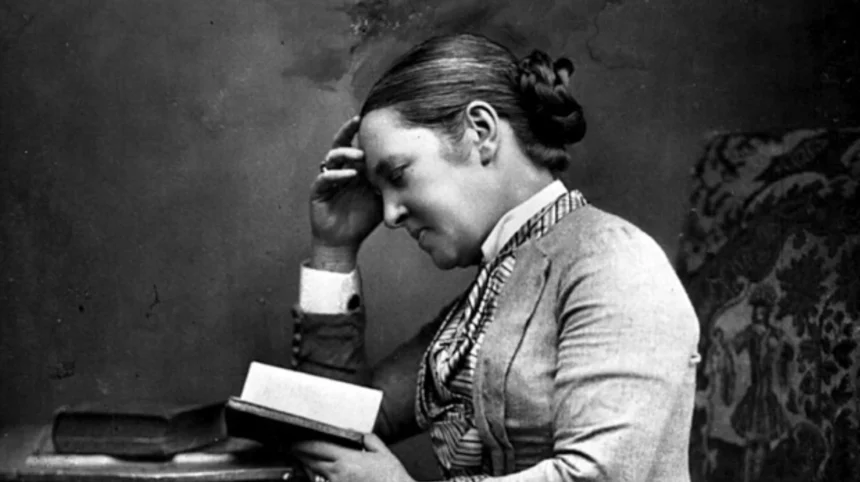
Dr. Elizabeth Garrett Anderson stands as one of the most influential pioneers in British medical history, breaking barriers in the 19th century as the first woman to qualify as a physician and surgeon in the United Kingdom. Born in 1836 in London, she grew up in the East End and later became closely associated with Whitechapel, an area known at the time for its dense population, poverty, and limited access to healthcare. Her life and achievements would go on to reshape opportunities for women in medicine and public service across Britain.
Anderson’s journey into medicine was marked by persistent rejection from established institutions that refused to admit women. Despite this, she pursued her ambition through alternative routes, eventually qualifying in 1865 after overcoming significant academic and professional resistance. Her determination set a historic precedent, making her the first woman in Britain to be formally recognised as a doctor.
Following her qualification, she founded the St Mary’s Dispensary for Women and Children in 1866 in London, providing medical care specifically for women at a time when female patients often faced barriers to treatment from male doctors. This initiative later evolved into the New Hospital for Women, a groundbreaking institution entirely staffed by women physicians, which further expanded access to healthcare for female patients in the capital.
Her influence extended beyond clinical practice. Anderson played a key role in the establishment of the London School of Medicine for Women, the first medical school in Britain dedicated to training female doctors. This institution opened the door for future generations of women in medicine, fundamentally changing the structure of medical education in the UK.
In addition to her medical contributions, Anderson was also active in the women’s suffrage movement. She supported campaigns advocating for women’s right to vote and worked alongside leading figures in the movement, including her sister, Millicent Fawcett. Her activism reflected a broader commitment to gender equality, linking healthcare reform with social and political rights.
Her achievements were recognised in multiple ways during her lifetime. She became the first female member of the British Medical Association, holding a position that had long been restricted to men. Later in life, she continued to break conventions, becoming the first female mayor in England when she was elected Mayor of Aldeburgh in 1908, further demonstrating her leadership beyond the medical field.
Anderson’s legacy continues to be felt in modern London healthcare. The Elizabeth Garrett Anderson Wing at University College Hospital carries her name and reflects her long-standing association with women’s medical services in the capital. Her work laid the foundation for more inclusive medical institutions and helped normalise the presence of women in professional healthcare roles.
Today, she is remembered not only as a pioneering doctor but also as a symbol of perseverance and social reform. Her connection to Whitechapel highlights the importance of East London as a historical centre of both hardship and progress, and her story remains a powerful example of how individual determination can transform entire systems.