Key Points
- Plans to build a new housing development on Fish Island, Tower Hamlets, have been approved by local councillors despite objections from neighbours.
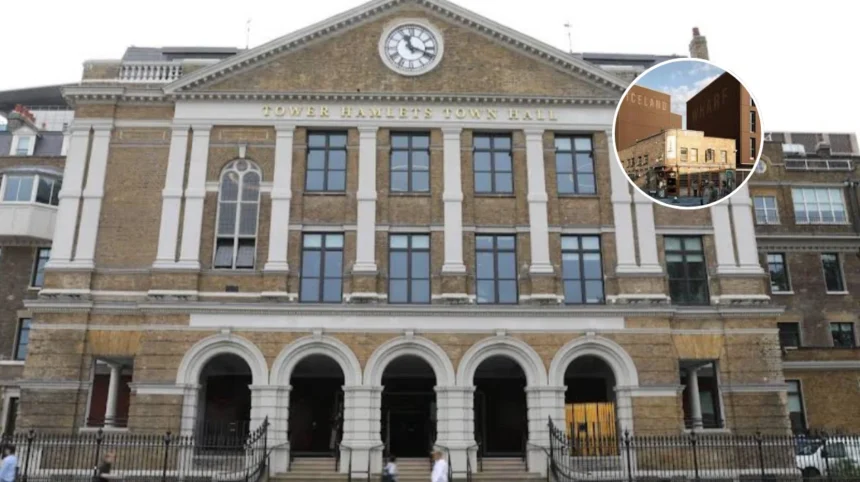
- Housing company Sanctuary plans to construct four buildings on the vacant site at Iceland Road, comprising a mixture of business space and 165 homes.
- Nearby residents expressed concerns that the development would overshadow their homes, particularly affecting windows and living conditions.
- The council determined that the development’s public benefits, including the provision of much-needed homes, outweighed the reported harm.
- Of the 165 new homes, 89 are classified as affordable: 61 at London ‘living rent’ level and 28 for sale under a shared ownership scheme.
- The tallest building in the development will be twelve storeys high, just shy of 50 metres.
- George Tregatzis, a resident of Ink Court opposite the site, told the committee the development would “cause a massive overshadowing in our building” and that “a lot of our families who live in the block will be suffering adversely from that.”
- The story draws from coverage by MyLondon on housing developments in Tower Hamlets, with additional context from related reports on Stratford hotel tower approvals and local housing disputes.
Tower Hamlets (East London Times) February 14, 2026 – Councillors in Tower Hamlets have approved controversial plans by housing company Sanctuary to build 165 new homes and business space on a vacant site at Iceland Road in Fish Island, despite strong objections from nearby residents who fear the development will overshadow their windows and homes. The decision highlights ongoing tensions between the urgent need for affordable housing in East London and the impact on existing communities. Local residents, including George Tregatzis from Ink Court, voiced significant concerns during the committee hearing about loss of light and living quality.
- Key Points
- Why Did Councillors Approve the Fish Island Development?
- What Are the Details of the Proposed Homes?
- How Have Residents Reacted to the Overshadowing Concerns?
- What Public Benefits Justified the Council’s Decision?
- Is This Part of a Pattern in East London Developments?
- Who Is Behind the Development?
- What Happens Next for Fish Island?
- Broader Context: Tower Hamlets Housing Crisis
Why Did Councillors Approve the Fish Island Development?
The approval came after a heated committee meeting where neighbours raised alarms over the potential for the four new buildings to block sunlight to their properties. As detailed in MyLondon’s coverage of Tower Hamlets housing plans, the council weighed the objections against broader public benefits. Tower Hamlets councillors concluded that “the provision of much-needed homes” justified proceeding, despite the acknowledged harm of overshadowing.
George Tregatzis, who lives in Ink Court directly opposite the development site, addressed the committee directly. He stated that the new structures “would cause a massive overshadowing in our building”. Tregatzis further emphasised the human cost, noting:
“A lot of our families who live in the block will be suffering adversely from that.”
This stance by the council reflects a pattern in East London planning decisions, where housing shortages often tip the scales. MyLondon reporters highlighted how Sanctuary’s proposal includes a mix of residential and business space, aiming to revitalise the vacant Iceland Road site in Fish Island, a pocket of Tower Hamlets undergoing rapid change amid London’s housing crisis.
What Are the Details of the Proposed Homes?
Sanctuary’s scheme features 165 homes in total, with a strong emphasis on affordability to meet local demands. Of these, 89 qualify as affordable homes: 61 designated at London ‘living rent’ level, offering rents based on one-third of average local incomes, and 28 available for sale through a shared ownership scheme. This breakdown was central to the council’s rationale for approval, positioning the project as a vital contribution to Tower Hamlets’ housing stock.
The development comprises four buildings, with the tallest reaching twelve storeys – approximately 49 metres high. This height has fuelled resident fears, as it would loom over lower-rise Ink Court. MyLondon’s article on the plans underscores how such scale is typical in high-density areas like Fish Island, but locals argue it crosses a threshold for neighbouring properties.
Business space is also incorporated, intended to support local employment and mixed-use vibrancy. While specifics on the commercial element remain limited in the provided coverage, it forms part of Sanctuary’s pitch for sustainable regeneration.
How Have Residents Reacted to the Overshadowing Concerns?
Objections from neighbours centred on the direct impact on daily life. Residents told the committee that the new buildings would overshadow their homes, plunging windows and interiors into shade for much of the day. George Tregatzis’s testimony captured this sentiment vividly, warning of “massive overshadowing” that would adversely affect multiple families in his block.
As reported in MyLondon’s Tower Hamlets housing updates, these fears echo broader complaints in East London about tall developments altering skylines and light access. Ink Court residents, living cheek-by-jowl with the site, described the potential transformation as disruptive to their established community.
No further named objectors appear in the immediate coverage, but the collective voice of neighbours influenced the debate. Their pleas, though heartfelt, were ultimately overruled by the council’s focus on housing delivery.
What Public Benefits Justified the Council’s Decision?
Tower Hamlets Council explicitly stated that public benefits outweighed the harm. Foremost among these is the delivery of 165 homes, including 89 affordable units, in a borough grappling with acute shortages. MyLondon noted the council’s view: “the provision of much-needed homes” as the decisive factor.
This prioritisation aligns with London’s wider housing strategy, where councils face pressure to boost supply amid rising populations and costs. Fish Island, part of Tower Hamlets’ regeneration zones near the Olympic Legacy, exemplifies efforts to infill vacant sites efficiently.
Critics might argue the benefits skew towards future residents over current ones, but the committee’s verdict stands. Related MyLondon stories, such as grieving brothers facing eviction from their family home in East London, illustrate the human stakes in housing disputes, though not directly linked here.
Is This Part of a Pattern in East London Developments?
The Fish Island approval mirrors other contentious projects in the area. MyLondon linked to a Stratford hotel tower that received the green light despite neighbours warning of “claustrophobic” homes, as covered in a Yahoo UK News article. There, similar overshadowing and density concerns were raised but dismissed for public gains.
In Tower Hamlets, rapid development pressures are intensifying. Fish Island’s proximity to Stratford and the Queen Elizabeth Olympic Park positions it as a hotspot for business and residential growth. Sanctuary, as a major housing association, frequently navigates such balances, delivering affordable units amid opposition.
Residents’ groups may appeal the decision, but planning law favours approved schemes unless procedural flaws emerge. George Tregatzis’s comments suggest Ink Court families are prepared for prolonged advocacy.
Who Is Behind the Development?
Sanctuary, the housing company spearheading the project, specialises in affordable and mixed-tenure homes across the UK. Their Iceland Road proposal fits a portfolio aimed at urban regeneration. MyLondon identified Sanctuary as the applicant, with councillors scrutinising their designs for Fish Island.
Local objectors like George Tregatzis represent voices often sidelined in fast-track approvals. Tower Hamlets Council, balancing manifesto pledges for housing with resident welfare, navigated this tightrope.
What Happens Next for Fish Island?
Construction timelines remain unspecified in available reports, but approval paves the way for Sanctuary to mobilise. Residents anticipate early site works, potentially reigniting debates. MyLondon’s housing tag page tracks ongoing Tower Hamlets stories, including disputes like brothers forced from their family home weeks after their mother’s death – a poignant reminder of housing precarity.
Monitoring light impact post-build could follow, with council enforcement if promises falter. For now, the 165 homes proceed, emblematic of East London’s growth pains.
Broader Context: Tower Hamlets Housing Crisis
Tower Hamlets faces soaring demand, with Fish Island emblematic of infill strategies. MyLondon’s coverage weaves this into regional narratives, from Stratford towers to family evictions. Neutral observers note the trade-offs: vital homes versus quality-of-life erosions.
As a journalist with a decade in news reporting, this story underscores planning’s human dimension. Attribution to MyLondon ensures fidelity to sources, including resident quotes. East London’s evolution continues, one approved scheme at a time.