Key Points
- Tower Hamlets councillors approved plans on 5 November to demolish the council-owned Professional Development Centre, which houses the Bethnal Green Weightlifting Club.
- The site at Turin Street and Bethnal Green Road will be redeveloped to include a new library and 44 homes, 24 of which are designated for social rent.
- The weightlifting club, which has occupied the premises since 1948, can remain at the site until June 2027 and will not be forced to vacate until a suitable new location is secured.
- Club representative Eleanor Smith warned councillors that relocation without a long-term solution “would quietly end” the registered charity.
- The volunteer-run club serves a diverse community, including schoolchildren, pensioners, Paralympic medallists, ex-service personnel, and individuals recovering from depression and eating disorders.
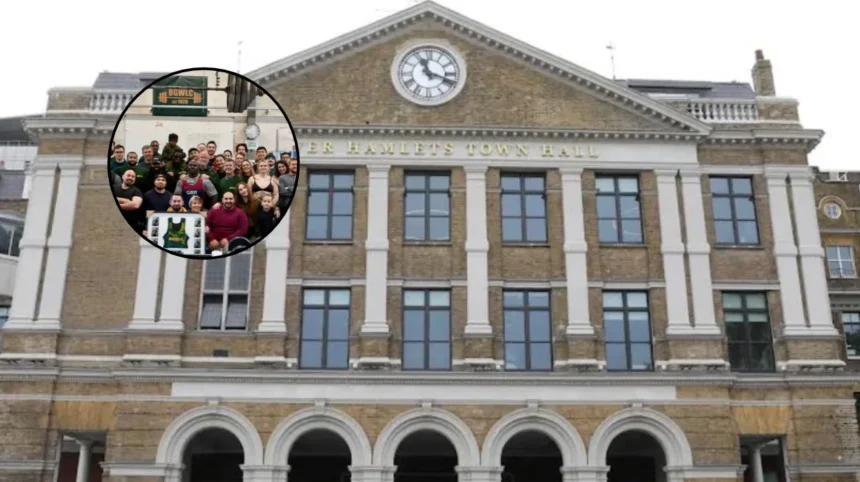
East London (East London Times) November 5, 2026 – Plans to demolish the long-standing home of the Bethnal Green Weightlifting Club to make way for housing and a new library have been formally approved by Tower Hamlets councillors.
- Key Points
- What has Tower Hamlets Council promised regarding the relocation of the club?
- Why do members fear the redevelopment could close the Bethnal Green Weightlifting Club?
- Who uses the Bethnal Green Weightlifting Club and what support does it provide?
- Background of the Bethnal Green Weightlifting Club and the Redevelopment Site
- Prediction: How This Development Could Affect the Local Community and Club Members
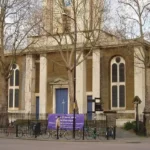
The decision, voted through on 5 November, places the future of the century-old east London institution in doubt as the local authority moves forward with proposals to redevelop the council-owned Professional Development Centre. Located at the junction of Turin Street and Bethnal Green Road, the facility has served as the club’s base since 1948. Under the approved redevelopment scheme, the existing structure will be knocked down and replaced with a new library alongside 44 residential homes, 24 of which will be allocated for social rent.
What has Tower Hamlets Council promised regarding the relocation of the club?
To mitigate the immediate impact of the demolition, Tower Hamlets Council has outlined transitional arrangements for the displaced organisation. According to statements issued by the council, the weightlifting club will be permitted to remain in its current gym until June 2027. Furthermore, the local authority has stated that the club will not be required to vacate the premises until a suitable alternative location is found.
Why do members fear the redevelopment could close the Bethnal Green Weightlifting Club?
Despite the assurances provided by the local authority regarding a temporary stay and future relocation, members of the weightlifting club have expressed serious concerns about the viability of moving. Club members warned that, without a guaranteed long-term solution, the process of relocation “would quietly end” the historic institution.
Addressing the council directly during the 5 November planning meeting, club representative Eleanor Smith emphasised the organisation’s deep roots in the borough and its non-commercial nature. Speaking for the club, Eleanor Smith told councillors:
“We’ve been part of Tower Hamlets for 100 years and we’re asking for your help to stay part of it.”
Smith further clarified the operational structure of the facility to the committee, stating:
“This is not a commercial gym – we’re a registered charity run by volunteers.”
Who uses the Bethnal Green Weightlifting Club and what support does it provide?
During her address to the Tower Hamlets councillors, Eleanor Smith detailed the broad demographic of individuals who rely on the facility for physical training, rehabilitation, and mental health support.
Smith noted that the membership base spans multiple generations, ranging from local schoolchildren to pensioners in their 70s. She also highlighted the club’s role in supporting elite adaptive sports, noting that the gym trains disabled athletes, including Paralympic medallists.
Beyond competitive sport and general fitness, Smith outlined the specific social and therapeutic functions the volunteer-run charity provides to vulnerable groups within the community. She stated that the club’s members include ex-servicemen and women who are “rebuilding their lives”, young women recovering from eating disorders, and individuals living with depression who have found “a coach-supported place to heal” within the gym.
Background of the Bethnal Green Weightlifting Club and the Redevelopment Site
The Bethnal Green Weightlifting Club has maintained a presence in the Tower Hamlets area for a century, establishing its current base at the Turin Street and Bethnal Green Road site in 1948, shortly after the Second World War. Operating out of the council-owned Professional Development Centre, the club transitioned into a volunteer-led registered charity, distinguishing itself from private, profit-driven fitness centres. Over the decades, the facility has functioned both as a training ground for high-level athletes, including Paralympians, and as a grassroots community hub. The redevelopment plans approved by the council form part of broader municipal efforts to increase housing stock—specifically social rent properties—and update public amenities such as libraries within the east London borough.
Prediction: How This Development Could Affect the Local Community and Club Members
The approval of the demolition and redevelopment plan is set to create a period of significant operational uncertainty for the Bethnal Green Weightlifting Club’s volunteers and service users through to June 2027. If Tower Hamlets Council fulfils its commitment to secure a suitable, permanent, and affordable alternative venue before the deadline, the club will be able to continue its charitable work, while the borough simultaneously gains 44 new homes and a modern library. Conversely, if a purpose-built or appropriately equipped space cannot be found within the local area, the club faces the risk of permanent closure, which would directly deprive vulnerable residents—including disabled athletes, veterans, and individuals using the space for mental health and eating disorder recovery—of an established, free or low-cost community support network.