Key Points
- Tower Hamlets is one of only 13 councils in England and 5 in London with a directly elected mayor, granting significant individual power unlike the standard Leader and Cabinet model.
- Current Mayor Lutfur Rahman (Aspire party) has held office since 2022, following a 2014 election voided due to electoral fraud, as reported by BBC News.
- In the May 2026 elections, voters receive two ballots: one for ward councillors and one for mayor, allowing votes for candidates from different parties.
- The mayor sets the Strategic Plan, annual budgets (e.g., Tower Hamlets’ £500 million), and the Local Plan (e.g., Rahman’s draft targets 52,000 homes by 2038, 40% affordable).
- Executive decisions enable direct action, such as awarding contracts or funding, with limited checks via a five-day ‘call-in’ by the Scrutiny Committee.
- Powers cover housing, building, education, social care, local transport, and more; distinct from Metro Mayors like Sadiq Khan, who handle policing and public transport.
- Pros: Faster decisions, higher voter visibility and turnout (from 25.6% in 2010 to 41.92% in 2022); cons: Risk of one-person dominance, personality-driven elections (e.g., Hartlepool’s ‘H’Angus the Monkey’).
- Rahman’s 2022-2026 Strategic Plan prioritises tackling poverty, including council tax freeze and holiday food programme; 2025/26 budget allocates £885,000 to Tower Hamlets Food Hub amid 4.99% tax rise.
- No councillor recall mechanism; mayor’s direct election mirrors US presidential system, likened to a ‘mini-Trump’ for unilateral actions.
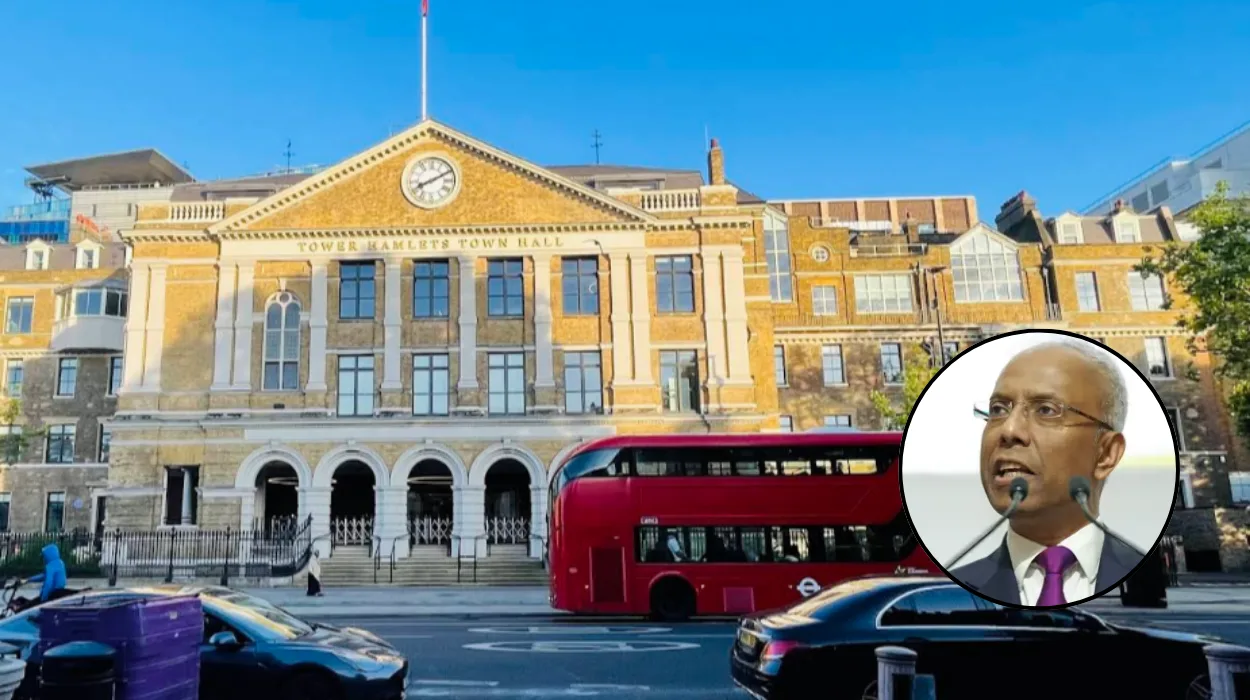
Tower Hamlets (Tower Hamlets Slice) January 20, 2026 – The upcoming May 2026 mayoral election in Tower Hamlets thrusts into sharp focus the extraordinary powers wielded by the borough’s directly elected mayor, often dubbed a ‘mini-Trump’ for their ability to enact sweeping changes with minimal checks. As reported by Tower Hamlets Slice, incumbent Mayor Lutfur Rahman of the Aspire party seeks re-election amid a field of challengers, controlling budgets nearing half a billion pounds, housing plans for tens of thousands of homes, and day-to-day policies on housing, education, social care, and local transport. This unique system sets Tower Hamlets apart from most UK councils, where leaders emerge from councillor votes rather than direct public ballots.
- Key Points
- What Makes Tower Hamlets’ Mayor Unique?
- Who Is the Current Mayor and What Is His Background?
- How Does a Tower Hamlets Mayor Differ from Metro Mayors?
- What Is the Strategic Plan?
- How Does the Budget Work?
- What Role Does the Local Plan Play?
- How Do Executive Decisions Give the Mayor Real Power?
- Why Do Critics Oppose Directly Elected Mayors?
- What Do Supporters Say in Favour?
- What Happens in the May 2026 Elections?
What Makes Tower Hamlets’ Mayor Unique?
Tower Hamlets stands out as one of England’s rare directly elected mayoral councils. Of the 339 councils across England, only 13 operate under this model, with fluctuations due to referendums, as detailed in Tower Hamlets Slice’s analysis. In London’s 32 boroughs, just five – including Tower Hamlets – have elected mayors, a structure permitted since 2000 but rarely adopted.
As explained by Tower Hamlets Slice, most councils follow the Leader and Cabinet model, akin to Parliament: residents elect councillors, who then select a leader. Tower Hamlets diverges sharply. Voters directly elect the mayor as an individual, not tied strictly to party lines. In the May 2026 polls, ballots separate ward councillor choices from the mayoral race, enabling cross-party selections.
This direct mandate grants the mayor unparalleled authority. Tower Hamlets Slice notes that, within their borough remit, mayors arguably hold more unilateral power than a Prime Minister, who requires parliamentary approval. Unlike MPs’ no-confidence votes against a PM, councillors cannot recall a mayor; only voters decide at election time, every four years.
Who Is the Current Mayor and What Is His Background?
Lutfur Rahman, Aspire party leader, has served as Tower Hamlets Mayor since 2022. Tower Hamlets Slice recounts his path: ousted from Labour in 2010, he won as an Independent that year and again in 2014. However, as reported by (John Williams) of BBC News in “Lutfur Rahman banned from office after election fraud” (BBC, 18 April 2015), the 2014 result was voided due to Rahman’s guilty verdict on electoral fraud charges, imposing a five-year ban.
Founding Aspire post-ban, Rahman secured victory in 2022. His official site (lutfurrahman.co.uk) highlights ongoing tenure. Campaigning for May 2026 has intensified, with Rahman facing rivals from various parties, per Tower Hamlets Slice’s candidate preview.
Rahman’s majority Aspire councillors ensure smooth passage of his agenda, minimising internal opposition.
How Does a Tower Hamlets Mayor Differ from Metro Mayors?
Council mayors like Tower Hamlets’ differ from Metro Mayors overseeing multiple councils. Tower Hamlets Slice clarifies: London’s Sadiq Khan, as Metro Mayor, manages policing and public transport across the capital. In contrast, Rahman oversees social care and local roads within Tower Hamlets.
Jurisdictions overlap but responsibilities divide neatly. Councils handle ‘most areas that affect local life,’ from housing to education, as Tower Hamlets Slice emphasises.
What Is the Strategic Plan?
Post-election, the mayor unveils a Strategic Plan, a four-year roadmap. Councillors can reject or amend it via majority vote, though rarely exercised as it lacks immediate effect.
In Lutfur Rahman’s 2022-2026 Strategic Plan (Tower Hamlets Council document), priorities include tackling poverty and food insecurity. Measures encompass freezing council tax for four years and launching a holiday food programme, as cited by Tower Hamlets Slice.
How Does the Budget Work?
Budgets operationalise plans. Tower Hamlets commands around £500 million annually from grants and taxes. The mayor and cabinet propose allocations, subject to full council approval.
Tower Hamlets Slice reports Rahman’s 2025/26 budget funds the £885,000 Tower Hamlets Food Hub, partnering with food banks, aligning with his safety net pledge. It also hikes council tax by 4.99%, drawing opposition criticism. Aspire’s councillor majority has shielded these from veto.
What Role Does the Local Plan Play?
The Local Plan dictates development: where, how much, and under what rules. Reviewed every five years or redrafted as needed, Rahman’s current draft targets 52,000 homes by circa 2038, mandating 40% affordability and relaxed height limits, per Tower Hamlets Slice.
Legally binding post-consultation and Secretary of State approval, it requires recording all feedback, explaining rejections.
How Do Executive Decisions Give the Mayor Real Power?
Executive decisions drive action. Once plans and budgets pass, the mayor directs officers to prepare reports, vetted legally and financially, then signs them into effect.
Tower Hamlets Slice outlines the process: a five-working-day ‘call-in’ window lets councillors pause implementation for Scrutiny Committee review. This 11-member body, mixing Aspire and opposition voices, can recommend changes – which the mayor may ignore unless budgets, plans, or laws breach.
Examples abound: allocating Food Hub funds to chosen charities, awarding contracts, leasing land, or accepting grants. Constraints? No overspends, policy deviations, or illegal acts.
Tower Hamlets Slice likens these to US President Donald Trump’s executive orders, such as border emergency declarations or agency setups – swift, unilateral moves evoking the ‘mini-Trump’ moniker.
Why Do Critics Oppose Directly Elected Mayors?
Opponents argue one person wields excessive power, risking undemocratic rule. Tower Hamlets Slice notes capacity concerns: juggling housing, education, and more strains a single leader.
Unlike collaborative Leader-Cabinet models fostering compromise, mayors embody one ideology. Personality trumps policy, as in Hartlepool where Stuart Drummond won thrice as mascot ‘H’Angus the Monkey’ – successful yet highlighting risks.
What Do Supporters Say in Favour?
Proponents praise efficiency. Tower Hamlets Slice contrasts: mayors bypass cabinet debates, enabling rapid response – like emergency Food Hub funding versus drawn-out discussions.
Visibility boosts accountability: voters pinpoint decision-makers. Turnout rose from 25.6% in 2010 to 41.92% in 2022, per official figures cited by Tower Hamlets Slice, enhancing participation.
What Happens in the May 2026 Elections?
Voters face dual ballots on 7 May 2026: councillors and mayor. Tower Hamlets Slice warns of heated campaigns, given the winner’s sway until 2030 over budgets, builds, and services impacting all residents and workers.
Rahman’s re-election bid, alongside diverse candidates, underscores stakes. As Tower Hamlets Slice concludes, this ‘mini-Trump’ role shapes borough life profoundly.