Key Points
- Hygiene Emergency Prohibition Notice was placed on a main catering site at Whipps Cross University Hospital of Leytonstone.
- Local government health and safety officers found that there was an outbreak of mice inside the food site, which put the site “in imminent risk to health”.
- Emergency measures taken led to closing down of the facility and its food hygiene score being reduced to zero.
- The above-mentioned restaurant and café site is managed by the private catering company Elior on behalf of Barts Health NHS Trust.
- The authorities ordered six major measures to be implemented, such as full pest elimination, structural proofing, disinfection, and removal of food stock.
- Waltham Forest Council stated that the situation is still under investigation and will go to court.
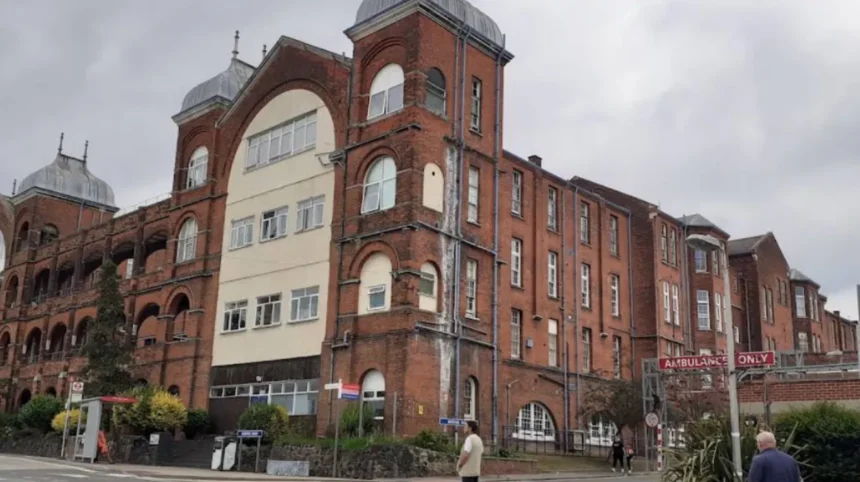
Leytonstone (East London Times) September 14, 2026 – Why was a major retail food outlet at Whipps Cross University Hospital forced to shut its doors without warning? Environmental health officers acting on behalf of Waltham Forest Council served a Hygiene Emergency Prohibition Notice under the Food Safety and Hygiene (England) Regulations 2013 after unearthing evidence of a widespread rodent infestation within the hospital’s dining facilities. The regulatory intervention triggered the immediate closure of the premises and resulted in the food safety rating dropping to zero. As documented by local news reporter Holly Brencher, official council files released under Freedom of Information legislation revealed that inspectors classified the unsanitary state of the venue as an “imminent risk to health”.
What specific details were disclosed by the health trust regarding the operational management of the catering venue? Speaking on behalf of the hospital’s governing body, a spokesperson for Barts Health NHS Trust confirmed:
“The restaurant and café are operated by our catering partner Elior. We expect the very highest standards from all organisations providing services on our hospital sites and are working closely with Elior to ensure improvements are made”.
What mandatory actions did local authority inspectors order before the outlet could even be considered for reopening? As detailed in the legal notice obtained via public records requests, Waltham Forest Council established a mandatory list of six critical steps designed to eliminate the public health hazard:
- The immediate engagement of an accredited, professional pest control contractor to perform an exhaustive site-wide pest survey, complete with a systematic baiting regime, treatment plan, and structural pest-proofing works.
- The immediate execution of all physical pest-proofing recommendations highlighted by the survey team to block entry points and eradicate the active mouse population entirely.
- The total destruction and safe disposal of all food supplies, raw ingredients, packaging items, and container units that may have come into contact with or been contaminated by pests.
- A rigorous deep-cleaning procedure covering every piece of kitchen machinery, food preparation counter, and storage unit using high-temperature water and specialized chemical sanitisers.
- The total clearing, emptying, decluttering, and systematic reorganising of all floor space, storage rooms, and staff areas across the food premises.
- Formal submission to a full follow-up assessment by a municipal environmental health officer to verify that the health risk has been completely eliminated prior to any resumption of trading.
Can the business automatically resume operations once these clean-up tasks have been executed? Municipal officials made it explicitly clear in the enforcement notice that the commercial operator cannot independently decide to reopen its doors upon finishing the listed tasks. The council affirmed that until a formal reinspection is requested by the operator and officially conducted by an inspector, legal authorities will operate under the legal presumption that the severe health hazard remains active.
What further judicial steps are local council enforcement bodies taking against the venue operator? Document filings contained within the formal notice indicated that Waltham Forest Council intended to present an application before Thames Magistrates’ Court within three working days of serving the notice. The local authority sought a formal Hygiene Emergency Prohibition Order from the court, which would legally prohibit the venue from conducting any commercial food operations whatsoever. Official records released up to September 2 did not confirm whether magistrates had formally issued the court order, as legal steps were still progressing.
Why are full enforcement details and evidentiary reports currently being withheld from the public domain? Responding directly to public records inquiries, Waltham Forest Council confirmed that the venue closure at Whipps Cross Hospital remains under active investigation. Municipal representatives explained:
“This case remains under active investigation, and the information requested may constitute evidence that could be relied upon should the Council decide to pursue further enforcement action”.
Authorities highlighted that while public transparency is vital, premature release of evidentiary details could compromise regulatory functions or prejudice potential prosecution proceedings.
Background of the particular development
Whipps Cross University Hospital, located in Leytonstone in the London Borough of Waltham Forest, serves as a primary healthcare provider for hundreds of thousands of residents across East London and West Essex. The hospital’s main dining complex—located along the primary corridor in the red zone between junctions 4 and 5—houses essential retail and hot food facilities serving thousands of NHS clinical workers, administrative personnel, outpatients, and visiting families every day.
Managing public hygiene standards across major public infrastructure in East London has been an ongoing priority for local government authorities. Waltham Forest Council maintains a stringent regulatory stance regarding commercial food vendors, having previously executed high-profile enforcement operations across retail and hospitality venues in the borough. Under national food hygiene frameworks, Environmental Health Officers carry statutory powers to immediately halt business operations if an active infestation poses a direct threat of food contamination or disease transmission. The emergency closure at Whipps Cross Hospital underscores the vulnerability of large institutional facilities to pest ingress, particularly where older hospital infrastructure meets outsourced commercial catering operations.
Prediction: How this development can affect patients, staff, and hospital visitors
The sudden emergency closure of the primary catering unit at Whipps Cross Hospital is expected to produce immediate operational and logistical ramifications for several key demographic groups:
- NHS Hospital Staff: Clinical workers, emergency room nurses, and support personnel relying on on-site catering during regular and overnight shifts face reduced food choices. This disruption may force staff to leave hospital grounds during brief breaks, potentially compounding operational stress and time constraints within busy wards.
- Patients and Outpatients: While inpatient dietary services prepared in separate centralized facilities remain protected, day-surgery patients, ambulatory care visitors, and outpatients attending lengthy clinic appointments will lose access to hot meals and refreshments inside the main hospital concourse.
- Visiting Families: Relatives attending to admitted family members often depend on central retail amenities for hot drinks and sustenance during long visits. The loss of the main facility forces visitors to rely entirely on peripheral vending machines or off-site local businesses.
- Institutional Reputation and Financial Impact: Barts Health NHS Trust and its commercial partner Elior face heightened public scrutiny regarding subcontractor oversight. Furthermore, Elior faces direct financial liabilities, including pest remediation expenses, deep-cleaning contractor costs, lost retail revenue, and potential legal costs or statutory fines should Waltham Forest Council pursue formal prosecution through the judicial system.