
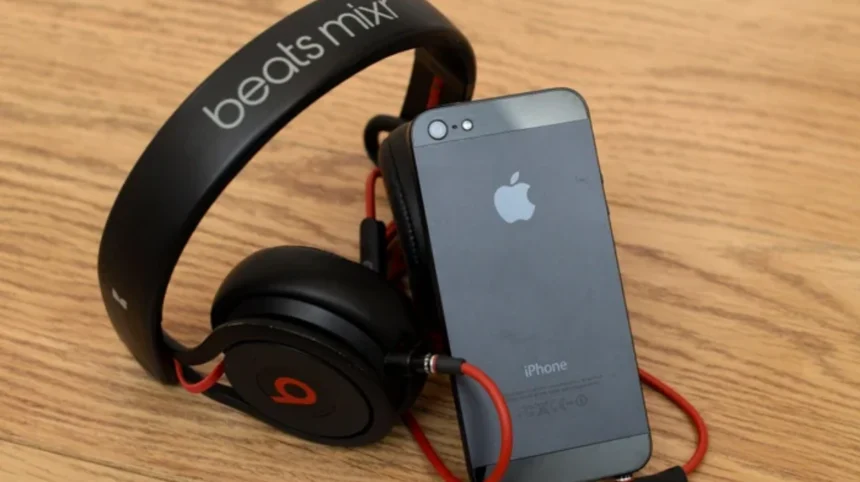
If you bought an iPhone, an iPad or a pair of Beats headphones through Amazon’s UK marketplace between 31 October 2018 and 15 December 2025, you may be covered by a legal claim against Apple and Amazon, whether you know it or not. That does not mean you are owed money. It means the Competition Appeal Tribunal has ruled that part of a claim worth approximately £300 million can proceed on behalf of consumers, provided certain conditions are met.
The ruling, handed down on 28 September, is what is known as a certification decision. It does not decide whether Apple and Amazon breached competition law. It determines whether the claim meets the requirements to proceed as a collective action on behalf of affected consumers.
The claim alleges that Apple and Amazon entered into anticompetitive agreements restricting the sale and advertising of Apple products on Amazon’s marketplace, reducing competition and causing consumers to pay higher prices both on Amazon and elsewhere. Such agreements may infringe Chapter I of the Competition Act 1998. Both companies oppose the claim, and no infringement has been established.
UK competition law allows consumers to seek compensation through collective proceedings, including so-called opt-out claims. These enable a representative to bring a case on behalf of a large group without each consumer having to sue individually. Most of us would never take legal action over a relatively small amount added to the price of a phone or headphones. Collective proceedings make it possible to pursue such claims where the total alleged harm is substantial.
The claimant originally sought to represent approximately 28.9 million consumers who purchased Apple or Beats products during the relevant period, whether through Amazon or other retailers. The Tribunal, however, drew an important distinction between these two groups. It allowed the claim concerning Amazon purchases to proceed, subject to changes to the litigation funding arrangements, but refused to certify the wider claim covering purchases elsewhere.
Why did the Tribunal treat these two groups differently?
The answer lies in the evidence of how the alleged restrictions could have affected prices.
For purchases through Amazon, the claimant presented evidence that Amazon’s own retail business accounted for approximately 25% of Apple-product sales on its marketplace before the agreements, rising to 99% afterwards. Its analysis also suggested that discounts became less frequent following the agreements.
The Tribunal considered that this provided a credible basis for examining whether the alleged restrictions increased prices on Amazon. The claimant had also proposed a method for estimating how much consumers might have overpaid. This was sufficient for the claim to proceed, although whether prices actually increased because of the agreements remains to be proven.
The wider claim was more difficult. The claimant argued that restrictions on Amazon could also have pushed up prices charged by Apple and other retailers. That possibility cannot be dismissed, as prices charged by one major retailer may influence prices elsewhere.
However, the Tribunal was not satisfied that the claimant had presented sufficiently convincing evidence and a workable method for establishing those wider effects. It therefore refused to certify the claim concerning purchases outside Amazon.
Importantly, this was not a finding that consumers shopping elsewhere could not have suffered harm. The Tribunal simply concluded that the wider claim was not sufficiently supported to proceed as part of these collective proceedings.
This distinction matters. It is often assumed that if companies engage in anticompetitive conduct, everyone affected should be entitled to compensation. But claimants must also explain how the alleged conduct caused harm to the consumers they represent and provide a credible method for calculating that harm.
The claimant estimates that the surviving claim could be worth approximately £289 million to £306 million, equivalent to around £37 to £39 per customer. These are estimates, not compensation awarded by the Tribunal.
For shoppers, the practical point is straightforward. If you purchased Apple or Beats products through Amazon’s UK marketplace during the relevant period, you may fall within the group covered by the proposed claim. Under the opt-out system, eligible UK consumers would ordinarily be included automatically once the claim is formally certified, without having to register individually.
But being included does not mean being entitled to a payment. The claim must still succeed at trial or be resolved through a settlement providing compensation.
For now, there is no compensation to claim. The judgment opens the way for consumers who purchased through Amazon to pursue compensation collectively, while making clear that allegations of wider harm must be supported by sufficient evidence.
The ruling illustrates both the importance and the limits of collective proceedings. They make it possible for consumers to pursue claims that would be impractical individually, but they cannot dispense with the need to establish how an alleged restriction of competition translated into higher prices.