London South East is a fascinating and diverse part of the capital, rich in history, vibrant cultures, green spaces, and economic significance. For residents and visitors alike, this area offers a unique blend of old and new, tradition and innovation, urban excitement and peaceful retreats. This comprehensive guide explores the essence of South East London, from its historical roots to its modern-day character, making it an engaging and timeless resource for anyone interested in this dynamic part of the city.
Historical Foundations of South East London
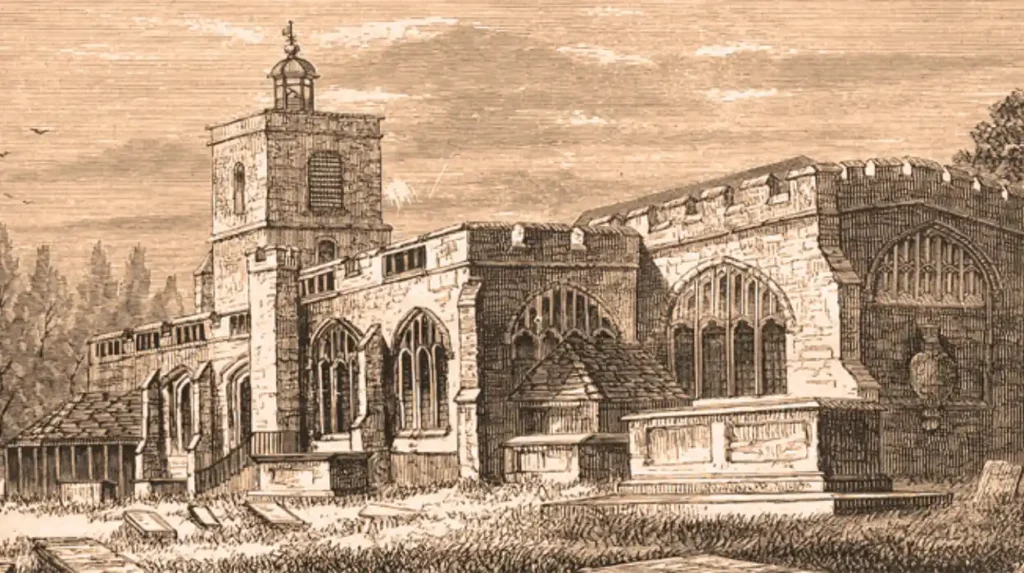
South East London’s history stretches back centuries, emerging from Southwark, which is first recorded as Suthriganaweorc — meaning “fort of the men of Surrey.” This area was crucial as the southern gateway into London via London Bridge, the first permanent crossing over the River Thames. Historically, Southwark was a key defensive and economic hub, evolving from a fortified borough to an incorporated part of the City of London by the late 13th century.
The growth of South East London was initially slower than the northern parts of the Thames due to limited river crossings, with development accelerating in the mid-19th century after the construction of railway lines and docks like the Surrey Commercial Docks. By 1899, South East London boroughs such as Lewisham, Greenwich, Southwark, and others were incorporated into the County of London, setting the stage for their modern urban development.
Today, Greater London, formed in 1965, integrates South East London boroughs into the vast metropolis it is now, reflecting a history of expansion from a handful of distinct centres into a unified global city region.
Cultural Diversity and Community Life
South East London is renowned for its rich cultural diversity, with vibrant communities that have contributed significantly to London’s social fabric. Post-World War II, the area became a settled home for Caribbean and African immigrants amid reconstruction, particularly in boroughs like Lewisham, Peckham, and Deptford. These communities transformed the area culturally and economically despite facing challenges like racial discrimination and economic hardship.
Today, South East London celebrates this multicultural heritage through festivals, markets, and cultural institutions. The area’s food scene offers a taste of the Caribbean, African, and other global cuisines, with local markets such as the Deptford Market and the Lewisham Model Market being popular destinations. Cultural events like the Peckham Festival and institutions like the Stephen Lawrence Centre promote social justice and celebrate artistic diversity.
The contribution of the Black communities to South East London’s identity is profound, exemplified by notable figures and initiatives that advocate for equality, cultural preservation, and community empowerment. This legacy continues to thrive and shapes the area’s inclusive and dynamic character.

Attractions and Green Spaces
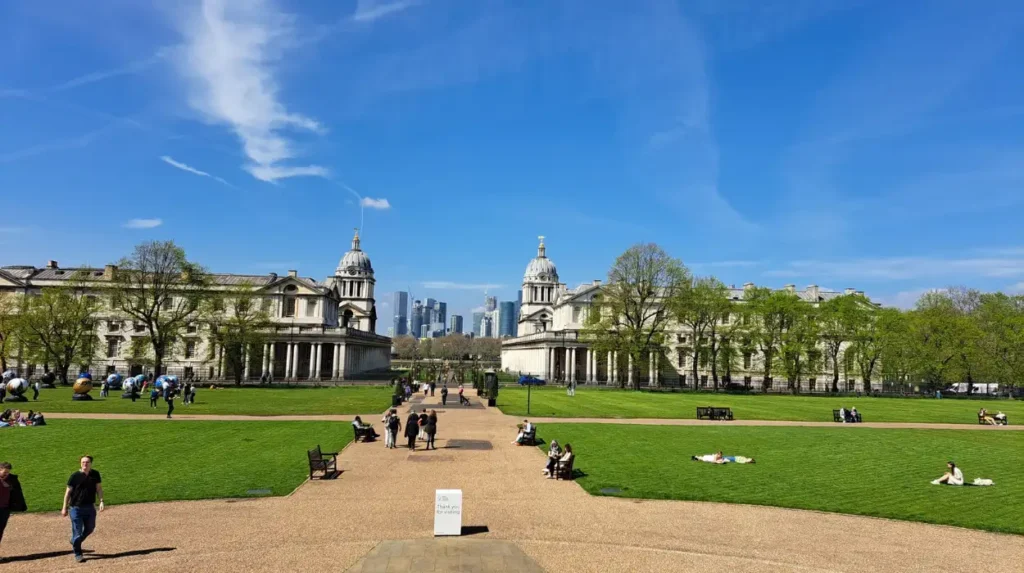
One of South East London’s great assets is its variety of green spaces and historic sites that offer respite from the urban bustle. Greenwich Park, with its royal history and stunning views across the Thames to central London, is a jewel in the borough’s crown. The historic Royal Observatory and the Cutty Sark sail ship museum attract visitors from around the world.
Other parks like Peckham Rye Park and Burgess Park provide vital green lungs and community spaces for recreation and cultural events. Alongside these are significant museums such as the Horniman Museum in Forest Hill, featuring natural history, anthropology, and musical instruments.
For those drawn to markets and local artisan scenes, South East London has become a hub with markets offering everything from vintage clothes to fresh produce, encapsulating the area’s creative and entrepreneurial spirit.
Economy and Modern Development
South East London is a vital economic area, serving as a mix of residential, commercial, and industrial zones. The Docklands, which once were the heart of London’s shipping industry, have evolved into vibrant mixed-use districts with business hubs, residential developments, and transport links.
The area benefits from excellent connectivity, including several major rail and underground lines and river transport services that link South East London to the rest of the capital, enhancing both commuting and tourism.
Retail and hospitality businesses thrive amid growing demand, particularly in areas like Canary Wharf in the borough of Tower Hamlets near South East London borders, known for its financial district. The economic landscape is balanced by community-focused initiatives supporting small businesses and local entrepreneurs, fostering sustainable and inclusive growth.
Living in South East London
Life in South East London combines the best of urban living with community-oriented neighborhoods. Residential areas range from historic Victorian and Edwardian homes to modern apartment complexes, catering to a wide demographic including young professionals, families, and long-time residents.
South East London is well served by schools, healthcare facilities, and community services, making it a desirable place to settle. The blend of cultural diversity, historic charm, and future-focused development ensures that the area remains attractive to a broad swath of Londoners.
The Timeless Appeal of South East London
London South East is more than just a geographic area — it is a living, evolving tapestry of history, culture, and community life. From its origins in Southwark to its role as a beacon of cultural diversity and economic vitality, South East London offers a rich, ever-relevant story for residents and visitors alike. Its green spaces, vibrant markets, and welcoming neighborhoods make it a cornerstone of London life, suggesting why it remains a topic of enduring interest and significance for audiences both local and global.