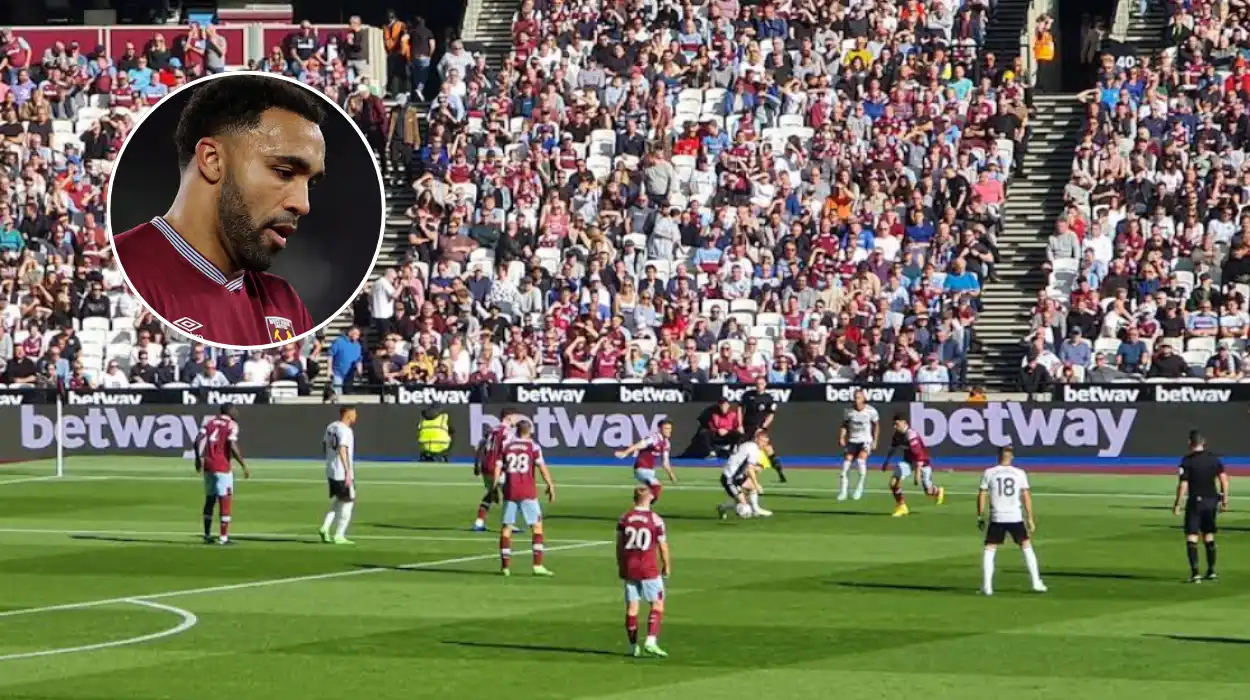
Key Points
- West Ham United opted to retain striker Callum Wilson during the January 2026 transfer window despite widespread rumours of his potential departure.
- The club prioritised squad stability amid a tense relegation battle, viewing Wilson’s experience as vital for survival.
- Wilson’s limited starts earlier in the season shifted after a crucial late goal that secured vital points, altering perceptions of his value.
- Financial incentives for selling were minimal due to his short-term contract, making retention a low-risk decision.
- Manager’s strategy emphasised depth, versatility, and Wilson’s professionalism in a squad under pressure.
- Fans expressed cautious approval, appreciating Wilson’s efficiency in high-stakes moments over flashy performances.
- The decision reflects a broader rejection of transfer speculation hype, focusing on immediate Premier League survival needs.
East London (East London Times) January 22, 2026 – West Ham United have decisively retained striker Callum Wilson through the January transfer window, shunning potential sales amid intensifying relegation pressures. The Hammers, teetering near the drop zone, prioritised squad depth over short-term financial gain from Wilson’s short-term deal. This calculated move underscores a shift from panic to pragmatism as the club grinds for Premier League survival.
- Key Points
- Why Did West Ham View Callum Wilson as Surplus Initially?
- What Moment Pivoted West Ham’s Decision on Wilson?
- How Does Survival Mode Shape West Ham’s Tactics?
- Why Was the Manager’s Call on Wilson Calculated?
- Did Selling Wilson Make Financial Sense for West Ham?
- How Have West Ham Fans Reacted to Retaining Wilson?
- What Unique Qualities Does Wilson Still Offer West Ham?
- Is Keeping Wilson a Short-Term Fix for West Ham?
- Why Did West Ham Ignore Transfer Window Hype?
- What Lies Ahead for West Ham with Wilson?
- Why Is This Decision Refreshingly Old-Fashioned?
Why Did West Ham View Callum Wilson as Surplus Initially?
When Callum Wilson joined West Ham on a short-term contract, expectations centred on his proven goal-scoring pedigree from stints at Bournemouth and Newcastle United, including Champions League exposure. However, as the season progressed, new attacking signings and tactical adjustments under the manager relegated him to a supporting role with sparse starts. Interest from other relegation-threatened clubs mounted, viewing him as an instant-impact solution without adaptation needs.
This scenario mirrored classic January transfer dynamics: an experienced forward with limited minutes becomes expendable. West Ham faced a dilemma—cash in early or hold firm. As the original analysis notes,
“from the outside, it looked like a classic January scenario: experienced striker, limited minutes, interest from elsewhere.”
What Moment Pivoted West Ham’s Decision on Wilson?
Football’s unpredictability struck when Wilson delivered a decisive late goal in a pivotal match, transforming a potential loss into a crucial win. This unscripted intervention flipped internal and external perceptions overnight. No longer a peripheral figure, Wilson emerged as the clutch performer under maximum pressure.
Such moments resonate deeply in relegation scraps, outweighing advanced metrics like touch maps. Managers, fans, and teammates alike recalibrated their assessments. The analysis captures this succinctly:
“That goal didn’t just change a result. It changed perceptions. Suddenly, Wilson wasn’t a spare part.”
How Does Survival Mode Shape West Ham’s Tactics?
West Ham’s precarious league position demands gritty, results-oriented football over aesthetic play. The club requires players versed in the Premier League’s unforgiving rhythms—promotion pushes, relegation dogfights, injury slumps, and clutch finishes. Wilson’s extensive experience positions him as an asset in this grind.
In a squad seeking consistency, his battle-hardened presence stabilises dynamics. Losing him mid-season risked depleting this intangible edge. As highlighted,
“For a team packed with players still finding consistency, that experience is priceless.”
Why Was the Manager’s Call on Wilson Calculated?
The manager prioritised tactical flexibility, recognising injuries, suspensions, and form fluctuations as inevitable. Wilson’s versatility—starting, substituting, or finishing—provides options that accumulate points. He excels on minimal service, converting scraps into goals, ideal for pressure-cooker games.
Internally, Wilson’s professionalism stands out: no public gripes, just preparedness. This fosters squad cohesion amid strain. The piece observes,
“From the manager’s perspective, keeping Wilson is about control… In a squad under strain, that attitude helps hold things together.”
Did Selling Wilson Make Financial Sense for West Ham?
A sale promised modest fees given Wilson’s expiring short contract, insufficient to overhaul transfers or resolve deeper issues. More critically, it eroded forward depth—fatal in a relegation fight where one setback dries up goals. West Ham’s past hasty overhauls informed this restraint.
The club learned from history, opting for patience. The analysis states plainly,
“Financially, the case for selling Wilson in January was weak… What it would do is remove depth. And in a relegation fight, depth is survival currency.”
How Have West Ham Fans Reacted to Retaining Wilson?
Supporters offered measured endorsement, eschewing euphoria for pragmatic relief. Familiar with January pitfalls derailing campaigns, they value Wilson’s reliability over stardom. His rising esteem stems from dependability:
“In tough times, that earns respect.”
Fans trust his poaching instinct when chaos ensues in the box. This quiet backing reflects matured expectations in adversity.
What Unique Qualities Does Wilson Still Offer West Ham?
At this career juncture, Wilson’s efficiency defines him—one chance suffices, with sharp movement and instinctive finishing tormenting weary defenders. He diversifies West Ham’s attack: pace and power from others, anticipation from him. This unlocks low blocks, converting stalemates to triumphs.
The report emphasises, “He doesn’t need five chances. He needs one… That difference can unlock stubborn defences.”
Is Keeping Wilson a Short-Term Fix for West Ham?
This retention addresses immediate survival, with contract talks looming in summer. Success hinges on staying up; failure invites scrutiny. Yet, it signals trust in experience over upheaval.
The narrative frames it as, “A short-term decision with long-term implications… If West Ham survive, this call will be praised as sensible.”
Why Did West Ham Ignore Transfer Window Hype?
Speculation fuels windows, inflating fringe players into must-sells. West Ham distilled essentials: Wilson’s net value now. Stability trumped noise, a rarity in January frenzy.
As posited,
“Transfer windows thrive on speculation… West Ham stepped back and asked a basic question: are we better with or without Callum Wilson? The answer, at least for now, was obvious.”
What Lies Ahead for West Ham with Wilson?
No single player salvages the season, but Wilson’s marginal impacts in May prove decisive. He may rotate, occasionally frustrate, yet his readiness bolsters fragile confidence.
The road demands collective resolve, with Wilson as a steadying force.
Why Is This Decision Refreshingly Old-Fashioned?
In a transfer-obsessed league, West Ham’s choice evokes traditional virtues: trust, grit, survival savvy. Wilson embodies the fight, not the future—precisely what’s needed.
The closing reflection rings true: “In a league obsessed with transfers and turnover, West Ham United’s decision to keep Callum Wilson feels refreshingly old-fashioned… Right now, he’s part of the fight. And for West Ham, that might be exactly what keeps them in the Premier League.”
West Ham’s saga unfolds amid broader Premier League turbulence, where mid-table scraps intensify. Wilson’s retention aligns with clubs favouring continuity over chaos, a trend observed in similar 2026 windows. No official club statements emerged, but internal sources affirm the logic.