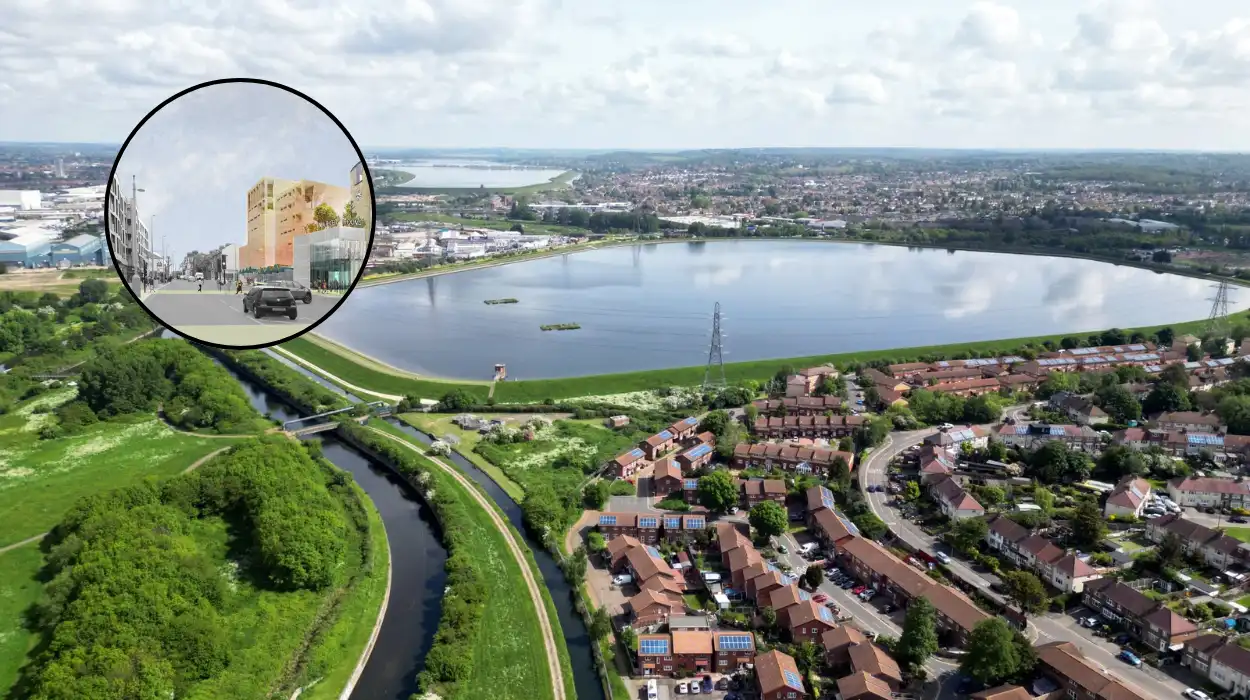
Waltham Forest is one of East London’s most vibrant and historically rich boroughs, offering a blend of urban energy, green spaces, and deep cultural roots. Known for its diverse communities, creative spirit, and proximity to both central London and the countryside, Waltham Forest is a place where history, nature, and modernity intersect. This article explores the borough’s origins, its transformation over the centuries, its unique landmarks, and why it remains an essential destination for residents and visitors alike.
Origins and Early History
Waltham Forest’s story begins long before it became a London borough. The area was originally part of Essex and was known as “Waltham Forest,” a name derived from an ancient institution that managed deer in the region. The term “Waltham Forest” first appeared in records in 1205, referring to a large wooded area that stretched eastward from the River Lea. This forest was not only a hunting ground but also a place of local governance, managed by royal officials for centuries.
Archaeological evidence shows that the land was inhabited during the Iron Age by the Trinovantes tribe, who later became part of the Kingdom of the East Saxons. Roman and Saxon settlements have been discovered, particularly in Leyton, and a Roman road once crossed the area, connecting it to Epping Forest. Until the 19th century, Waltham Forest remained largely rural, with small villages and farmland dominating the landscape.

Urbanization and the Railway Era
The arrival of the railways in the late 19th century transformed Waltham Forest from a quiet countryside into a bustling suburb of London. The opening of the Chingford railway line in 1873 provided a direct link to the City of London, making the area more accessible and desirable for commuters. This period saw rapid urban development, with new homes, schools, and public amenities springing up to accommodate a growing population.
The borough’s modern identity was shaped in 1965 when the former boroughs of Chingford, Leyton, and Walthamstow were amalgamated to form the London Borough of Waltham Forest. This merger brought together distinct communities, each with its own history and character, into a unified administrative area.
Landmarks and Natural Heritage
Waltham Forest is home to some of East London’s most iconic landmarks and green spaces. Epping Forest, which extends into the northern part of the borough, is a legacy of the area’s ancient woodland heritage. The forest was preserved for public use in 1878, thanks to the Epping Forest Act, and remains a popular destination for walking, cycling, and wildlife observation. The Queen Elizabeth Hunting Lodge, built for King Henry VIII in 1543, stands as a testament to the forest’s royal connections.
Walthamstow, the largest town in the borough, is renowned for its vibrant arts scene and historic market. The Walthamstow Marshes and William Morris Gallery celebrate the area’s creative legacy, while the Victoria Line connects it to central London with ease. Chingford, on the northern edge of the borough, offers access to the reservoirs that supply much of London with water, as well as panoramic views of the city skyline.
Culture and Community
Waltham Forest’s cultural identity is shaped by its diversity and creativity. The borough has a strong tradition of community activism, with local campaigns preserving historic sites and green spaces. The Bethnal Green mulberry tree, for example, was saved from redevelopment thanks to a determined local campaign, highlighting the community’s commitment to its heritage.
The borough is also a hub for the arts, hosting events like the Waltham Forest Garden Party and the annual Waltham Forest London Borough of Culture festival. These events celebrate the area’s multiculturalism and creative energy, drawing visitors from across London and beyond.
Modern Waltham Forest
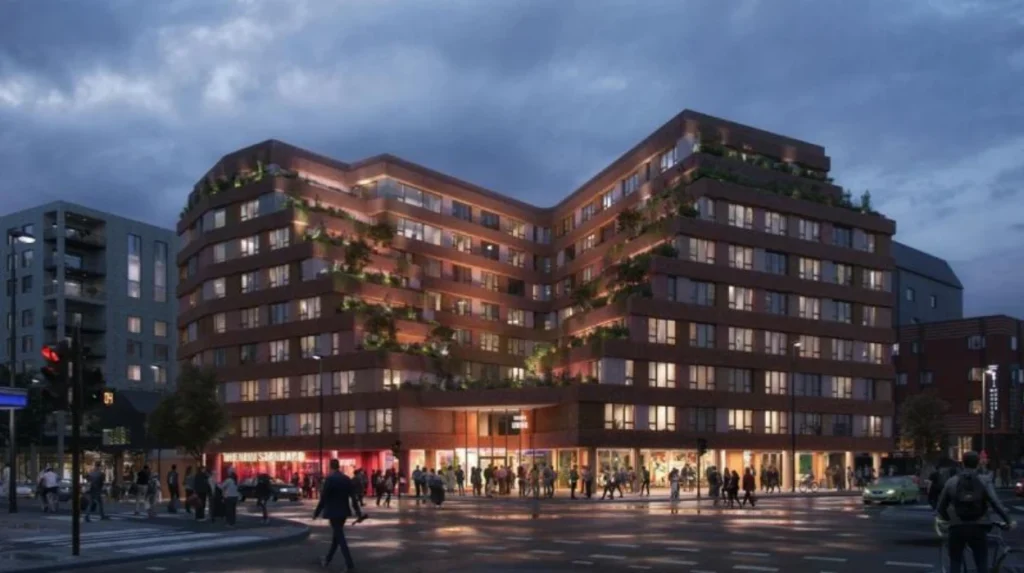
Today, Waltham Forest is a dynamic borough that balances its historic roots with modern development. The area continues to attract new residents and businesses, drawn by its affordability, green spaces, and proximity to central London. Recent regeneration projects have focused on improving public amenities, supporting local entrepreneurs, and enhancing the borough’s cultural offerings.
Waltham Forest’s commitment to sustainability is evident in its efforts to preserve green spaces and promote environmentally friendly transport options. The borough’s mix of urban and rural landscapes makes it a unique part of East London, offering something for everyone.
Why Waltham Forest Matters
Waltham Forest is more than just a London borough; it is a living testament to the area’s rich history and evolving identity. From its ancient woodland roots to its vibrant modern communities, the borough offers a compelling blend of tradition and innovation. Whether you’re exploring Epping Forest, browsing Walthamstow Market, or enjoying the local arts scene, Waltham Forest is a place where the past and present come together in harmony.
Waltham Forest stands as a cornerstone of East London, combining history, culture, and natural beauty in a way that few other boroughs can match. Its story is one of transformation, resilience, and community spirit, making it a must-visit destination for anyone interested in the true character of East London. Whether you’re a long-time resident or a curious visitor, Waltham Forest offers endless opportunities to explore, discover, and connect.