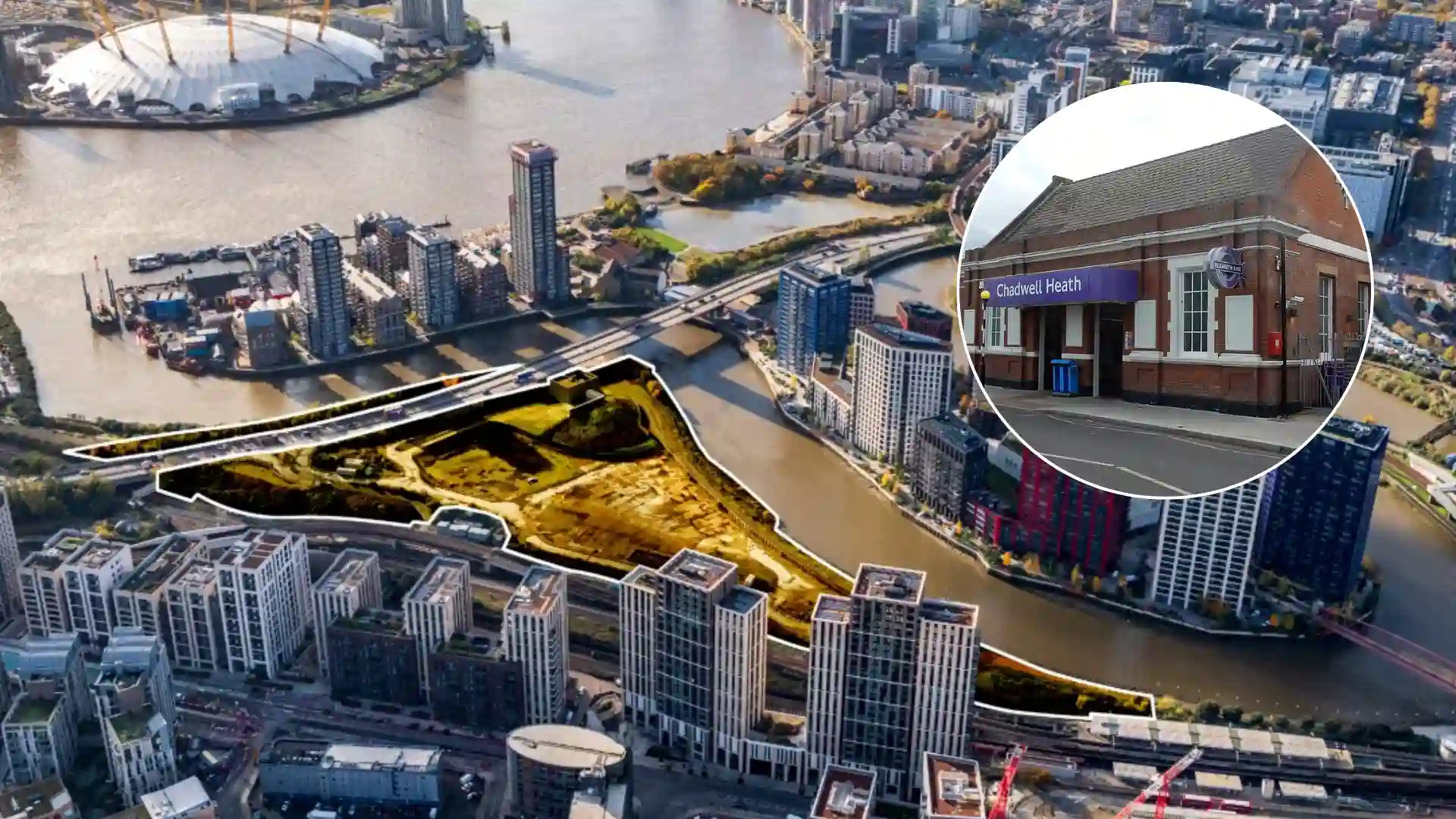
Chadwell Heath is one of East London’s quietly dynamic suburban hubs, sitting between Barking, Dagenham, Ilford and Romford with fast Elizabeth line links into central London. It combines deep local history, post‑war estates and new‑build homes with a young, diverse and highly connected community.
- Overview of Chadwell Heath
- Historical roots and evolution
- War, industry and local heritage
- Demographics and community life
- Housing, streets and local character
- Transport links and the Elizabeth line
- Education, health and local services
- Parks, green space and leisure
- Governance and borough context
- Regeneration, growth and future prospects
- Living in Chadwell Heath today
Overview of Chadwell Heath
Chadwell Heath is a suburban district on the eastern edge of London, historically split between the London Borough of Barking and Dagenham and the London Borough of Redbridge. It lies on the ancient Roman road between London and Colchester, a route that helped shape its early growth as a coaching and stopping point.
Today the area is functionally part of Greater London’s east‑west commuter corridor, with rail, bus and road links connecting it to Ilford, Romford, Stratford and the City. For many East Londoners, Chadwell Heath offers a blend of comparatively affordable housing, decent schools and improving public transport that makes it attractive for young families and first‑time buyers.
Historical roots and evolution
Chadwell Heath takes its name from “Chaudewell,” meaning a cold spring, and from the nearby Hainault Forest and heathland that once covered much of the district. Until the nineteenth century it was largely rural, dotted with farms, market gardens and a few inns serving travellers on the London–Colchester road.
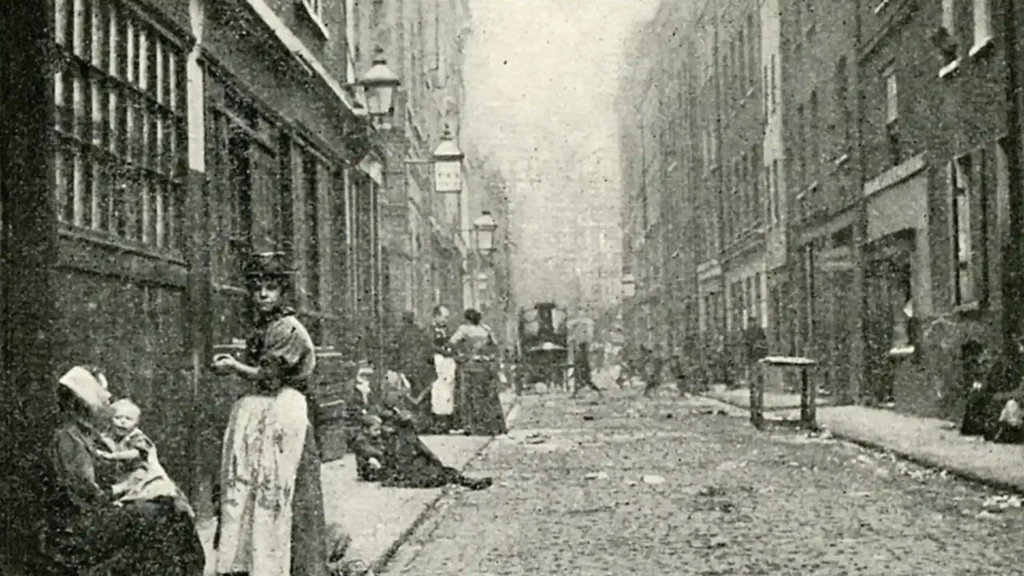
The arrival of the Great Eastern Railway line and Chadwell Heath station in the nineteenth century accelerated suburban development, bringing terraces and semi‑detached housing for city workers. In the interwar period, the nearby Becontree Estate – at one point the largest public housing development in the world, with around 27,000 dwellings and over 100,000 residents – transformed the wider area’s population and character.
War, industry and local heritage
During the Second World War, Chadwell Heath played a direct role in London’s air defence network, with a major anti‑aircraft gun site in the area. This site is now Grade II listed and is believed to be the only surviving example of an eight‑gun emplacement from London’s wartime defences, making it a unique heritage landmark for the borough and the capital.
Local health and social history is also significant: the Ilford Isolation Hospital and Sanatorium opened in 1898 on a large 100‑acre site in Chadwell Heath to treat infectious diseases such as tuberculosis. After becoming Chadwell Heath Hospital in 1960 and serving mainly geriatric and long‑stay patients, it finally closed in 2001; the site has since been redeveloped for housing, reflecting the area’s ongoing evolution.
Demographics and community life
Chadwell Heath has a mixed and diverse population, with no single ethnic majority when the combined Chadwell and Chadwell Heath wards were counted together in the 2011 Census. In that combined area, White British residents made up 44.3% of the population, with sizeable Indian, Black African, Black Caribbean, Bangladeshi, Pakistani and Other White communities.
More granular postcode‑level data for Chadwell Heath shows a particularly young profile: in one immediate area around RM6, around 34% of residents are under 20, a much higher share than the London average. Households are predominantly single‑family homes with dependent children, representing about 44% of households locally, again significantly above the London average.
Housing, streets and local character
Housing in and around Chadwell Heath is a mix of Victorian and Edwardian terraces, mid‑twentieth‑century semis, post‑war estates and newer infill or brownfield developments. The legacy of large municipal housing schemes like Becontree to the south and other interwar estates is still visible in street patterns and building styles around the district.
Estate agents point to Chadwell Heath as comparatively affordable for London, particularly for buyers priced out of inner East London, with a strong market in family homes and flats close to the station. The area’s residential streets often feature local shops, small supermarkets and independent services rather than large retail centres, giving it a neighbourhood feel while relying on nearby Ilford and Romford for major shopping.
Transport links and the Elizabeth line
Chadwell Heath railway station sits on the Great Eastern Main Line and is now fully integrated into the Elizabeth line, giving residents direct, high‑frequency services through central London. Typical off‑peak service patterns include around 8 trains per hour to London Paddington (with some continuing to Heathrow Terminal 5) and 8 trains per hour towards Shenfield, making commuting into key employment hubs much faster and more reliable.
The station platforms have been extended to handle nine‑carriage Class 345 Elizabeth line trains, and accessibility improvements such as new lifts, signage, help points, information screens and CCTV have been installed as part of the upgrade. Local bus routes link Chadwell Heath to Barking, Dagenham, Ilford, Romford and surrounding neighbourhoods, while road access to the A12 and A13 connects drivers east towards Essex and west towards central London and Docklands.
Education, health and local services
Chadwell Heath and its surrounding wards are served by a range of primary and secondary schools under the jurisdictions of Barking and Dagenham and Redbridge, giving families access to multiple local authority school systems. These sit within a wider East London education ecosystem that includes sixth form colleges and FE institutions in Ilford, Romford and Barking, as well as universities in Stratford and central London.
On the health side, the closure of the old Chadwell Heath Hospital led to services being reconfigured towards larger NHS sites including Goodmayes Hospital nearby, while the former hospital land was redeveloped for housing in the mid‑2000s. Residents now rely on GP surgeries, community health services and nearby hospitals across north‑east London, with local councils and NHS bodies working together to modernise provision as the population grows.
Parks, green space and leisure
Historically, Chadwell Heath sat close to Hainault Forest and open heathland, and traces of that landscape survive in today’s parks and green corridors. Within a short distance, residents can access local parks, playing fields and nature reserves that link into broader green networks across Barking and Dagenham, Redbridge and neighbouring boroughs.
Sports clubs, community centres and faith institutions form an important part of local social life, providing spaces for youth activities, cultural gatherings and grassroots initiatives. With a young population and many families, demand for play spaces, sports pitches and informal recreation areas is likely to remain strong, shaping future planning decisions.
Governance and borough context
Chadwell Heath is unusual in that it straddles a borough boundary, with parts falling in the London Borough of Redbridge and others in the London Borough of Barking and Dagenham. This means local services such as waste collection, schools, housing management and some regeneration projects are managed by different councils depending on which side of the boundary residents live.
Both boroughs sit within Greater London and work with the Mayor of London and the Greater London Authority on strategic planning, transport and housing policies that affect Chadwell Heath. Ward‑level data for Chadwell Heath in Barking and Dagenham is also used by the council to track demographics, deprivation levels and service needs, feeding into local policy and funding decisions.
Regeneration, growth and future prospects
Chadwell Heath’s future is closely tied to the Elizabeth line and to wider east‑London growth corridors stretching towards Barking Riverside, Dagenham Dock and out into Essex. Enhanced rail connectivity has made it more appealing to commuters and investors, and there is ongoing interest in infill housing, small mixed‑use schemes and improvements around the station.
At the same time, historic assets like the anti‑aircraft gun site and the legacy of Becontree and other estates raise important questions about how to preserve local character while accommodating growth. Community groups such as residents’ associations work with councils and heritage bodies to influence decisions on conservation, new development and public realm improvements in and around the district.
Living in Chadwell Heath today
For East Londoners considering a move, Chadwell Heath offers a balance between suburban calm and urban connectivity, with fast Elizabeth line links and relatively competitive property prices compared with many inner‑London districts. The strong presence of families and a high proportion of under‑20s creates demand for schools, childcare, youth services and family‑friendly amenities, shaping the everyday atmosphere of the area.
Its cultural diversity, with communities from White British, South Asian, Black African, Black Caribbean and other backgrounds, contributes to a varied local food scene, places of worship and community events. For long‑term residents as well as newcomers from across East London and beyond, Chadwell Heath represents a neighbourhood that is still changing but grounded in a distinctive history and identity at the city’s eastern edge.