Key Points
- Gogoa Lois Tape, 28, killed his partner, 25-year-old Kennedi Westcarr-Sabaroche, in a Vauxhall car in Hackney in April 2024.
- Tape strangled Ms Westcarr-Sabaroche and inflicted further injuries suggesting she tried to defend herself from a knife attack.
- After the killing, Tape moved her body into the passenger seat, strapped her into a seatbelt and drove around with her body in the vehicle.
- He later bought cigarettes and used her phone to text a friend, pretending to be her.
- Hours after the killing, Tape confessed to his brother, who alerted the authorities.
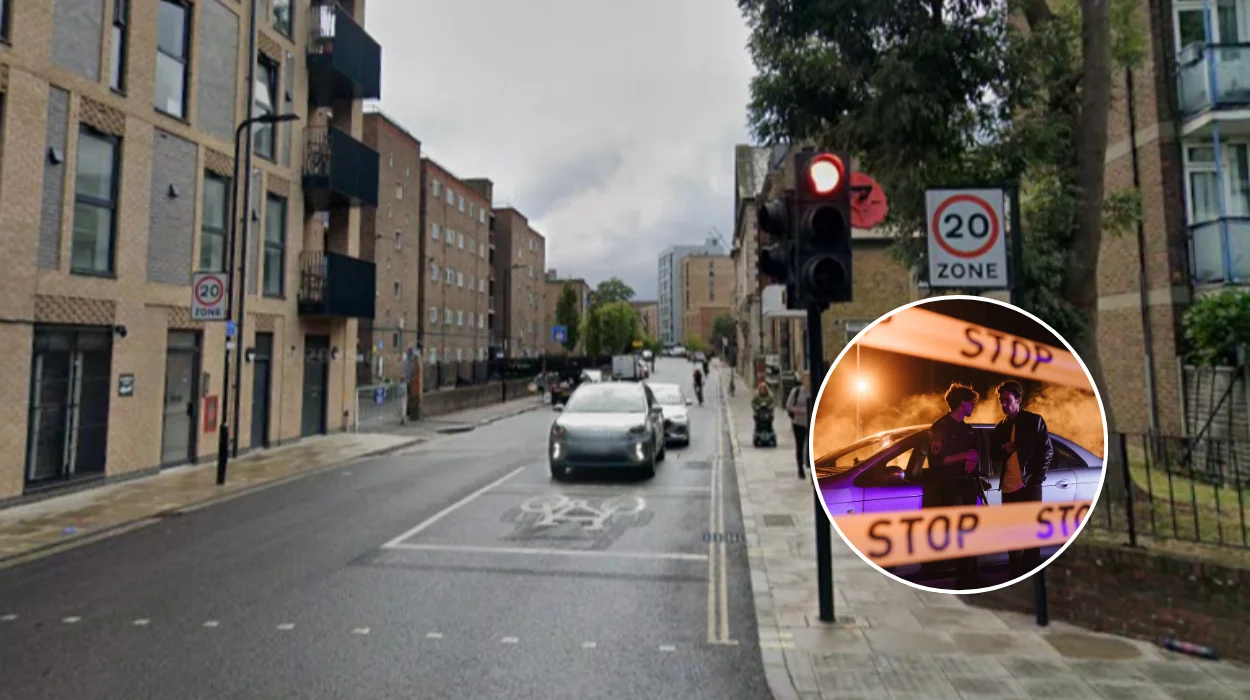
- Police found Ms Westcarr-Sabaroche dead in a Vauxhall on or near Whiston Road, Hackney, on the morning of 6 April 2024.
- Officers forced entry to the car and attempted to resuscitate her before paramedics arrived, but she was pronounced dead shortly after 07:15.
- Prosecutors initially charged Tape with murder but later accepted his guilty plea to manslaughter by reason of diminished responsibility.
- Tape also admitted having a bladed article in a public place.
- At Inner London Crown Court, Judge Freya Newbery imposed a hospital order under Section 37 of the Mental Health Act with a Section 41 restriction, meaning Tape can be detained indefinitely.
- The judge described Tape as an “undiagnosed schizophrenic” at the time of the killing, suffering from “paranoid and persecutory delusions” that severely impaired his judgement and self-control.
- Tape’s mental health had deteriorated in 2023 amid longstanding cannabis use and growing paranoia and jealousy, and he had limited contact with mental health services.
- Around 40 of Ms Westcarr-Sabaroche’s relatives and loved ones sat in court for the sentencing hearing.
- Her mother, Linda Westcarr, said she felt “completely betrayed” by the justice system and believes Tape should have received a prison sentence.
- Ms Westcarr said the family had “not been consulted” but “dictated to” and that the system had “failed” them.
- The family are calling for an urgent review of Tape’s sentence and want a meeting with the prime minister, home secretary, lord chancellor and director of public prosecutions.
- Campaigner Emma Webber, whose son Barnaby was killed by Valdo Calocane in Nottingham in 2023, said she “stands with” Kennedi’s family “in outrage” over another case ending in a hospital order.
- The case has revived debate over how the criminal justice system handles defendants whose serious violent offences are linked to severe mental illness.
What did the court decide about the killing of Kennedi Westcarr-Sabaroche?
At Inner London Crown Court, 28-year-old Gogoa Lois Tape was sentenced to a hospital order under Section 37 of the Mental Health Act, together with a Section 41 restriction that allows for his indefinite detention in a secure psychiatric hospital. As reported by Sky News journalist Martin Kimber, Judge Freya Newbery ruled that Tape’s responsibility for killing Kennedi Westcarr-Sabaroche, aged 25, was substantially diminished by his mental illness at the time of the offence.
- Key Points
- What did the court decide about the killing of Kennedi Westcarr-Sabaroche?
- How did the killing happen and what did the court hear about the attack?
- How was Kennedi Westcarr‑Sabaroche found and what did police do at the scene?
- What is known about Gogoa Lois Tape’s mental health and cannabis use?
- How did Tape confess and what did he tell police after his arrest?
- How has Kennedi Westcarr‑Sabaroche’s family responded to the sentence?
- What are the family demanding from ministers and justice officials?
- How does this case link to wider concerns about hospital orders and violent crime?
- What does the sentence mean for public protection and for Tape’s future?
Prosecutors had initially charged Tape with murder but later accepted his guilty plea to manslaughter by reason of diminished responsibility, along with an admission of possessing a bladed article in a public place. As reported in BBC News’ coverage of the sentencing, the judge concluded that a hospital order was necessary both for Tape’s treatment and for the protection of the public, adding that the restriction order means he can only be released with the approval of the justice secretary or a mental health tribunal.
How did the killing happen and what did the court hear about the attack?
According to BBC News reporter coverage of the case, the court heard that Tape killed Ms Westcarr-Sabaroche in a Vauxhall car in Hackney on the night of 5 April 2024, strangling her and causing injuries that indicated she had tried to defend herself. A post-mortem examination found that she died from “manual compression to the neck” and had suffered multiple punches and other wounds consistent with a struggle involving a knife.
As reported by BBC News, after killing her Tape moved her body from the driver’s seat into the passenger seat, fastened the seatbelt around her and drove away with her dead in the car. The court was told that he then bought cigarettes and used Ms Westcarr-Sabaroche’s phone to send messages to one of her friends, pretending to be her and seeking to create the impression she was still alive.
How was Kennedi Westcarr‑Sabaroche found and what did police do at the scene?
The Metropolitan Police said in an official statement that officers were called on the morning of Saturday 6 April 2024 to a report of a woman unresponsive in a vehicle in Talavera Place, near Whiston Road, Hackney. As set out in that Met Police news release, officers forced entry to the Vauxhall car and attempted to resuscitate Kennedi Westcarr‑Sabaroche, but she was pronounced dead at the scene shortly after 07:15.
BBC News reported that Ms Westcarr-Sabaroche, who was 25 and living locally, had been in a relationship with Tape for several years and that the couple shared a young daughter. Around 40 of her relatives and loved ones attended the sentencing hearing and sat in the well of the court as the judge outlined the circumstances of her death and the medical evidence about Tape’s mental state.
What is known about Gogoa Lois Tape’s mental health and cannabis use?
As reported by BBC News, the court was told that Tape had been using cannabis since around 2014 and that by 2023 his mental health had deteriorated sharply, with growing paranoia and irrational jealousy. He had some contact with mental health services in 2023 and was advised to stop using cannabis, but the judge concluded that he was effectively an “undiagnosed schizophrenic” at the time of the fatal attack.
In sentencing remarks reported by Sky News, Judge Freya Newbery said Tape had been suffering from “paranoid and persecutory delusions” which significantly impaired his judgement and self-control when he killed Ms Westcarr-Sabaroche. The court heard that psychiatrists assessed him as posing a serious ongoing risk if not treated in a secure hospital setting, which led to the decision to impose a hospital order with a restriction under the Mental Health Act rather than a conventional prison sentence.
How did Tape confess and what did he tell police after his arrest?
BBC News reported that after driving around with Ms Westcarr-Sabaroche’s body in the car and sending texts from her phone, Tape eventually went to his brother and admitted what he had done. His brother alerted the authorities, leading to Tape’s arrest and subsequent interviews by detectives from the Metropolitan Police’s Specialist Crime Command.
According to the BBC’s account of the sentencing hearing, Tape told officers after his arrest: “I lost my head, I’ve been losing my head for the last two or three years.” Prosecutors presented that remark as evidence of his long-running mental health difficulties, while also emphasising the brutality of the attack and the steps he took afterwards to disguise what had happened.
How has Kennedi Westcarr‑Sabaroche’s family responded to the sentence?
As reported by Martin Kimber of Sky News, Linda Westcarr, the victim’s mother, spoke outside court after the hearing and said she felt “devastated” and “completely betrayed” by the outcome. She stressed that while the family does not dismiss the reality of mental health struggles, they believe that “justice has not been served” because Tape did not receive a standard custodial sentence in prison.
Sky News reported Ms Westcarr as saying that the “system has failed us in many ways – failed to support us, failed to explain to us the decisions that they have made.” She added that the family “haven’t been consulted, we’ve been dictated to”, calling for change in how bereaved families are involved and informed when prosecutors accept manslaughter pleas and courts impose hospital orders.
What are the family demanding from ministers and justice officials?
According to Sky News’ coverage, Ms Westcarr and other relatives of Ms Westcarr-Sabaroche are demanding an urgent review of Tape’s sentence and the decisions that led to the acceptance of a manslaughter plea. They are seeking a meeting with the prime minister, the home secretary, the lord chancellor and the director of public prosecutions to, in Ms Westcarr’s words, “answer for these failures”.
Sky News also reported that the family believes the case raises wider questions about public safety when people who have killed are treated as patients rather than prisoners, with Ms Westcarr asking how the public can feel protected if “killers are treated as patients, not criminals.” Their campaign comes amid growing scrutiny of how mental health and criminal liability are balanced in serious violent cases across England and Wales.
How does this case link to wider concerns about hospital orders and violent crime?
As reported by Sky News, Emma Webber, whose son Barnaby was killed by Valdo Calocane in Nottingham in 2023, issued a statement expressing solidarity with Ms Westcarr-Sabaroche’s family. Calocane was also given a hospital order after admitting manslaughter by reason of diminished responsibility in a triple stabbing, prompting a national debate over whether serious violent offenders with severe mental illness should be detained in hospitals rather than prisons.
Sky News noted that a review into the Crown Prosecution Service’s handling of the Calocane case concluded that accepting a manslaughter plea was justified but identified areas where the case could have been managed better. That report urged ministers to revisit long-standing Law Commission proposals for a three-tier system of homicide offences – first-degree murder, second-degree murder and manslaughter – a reform also backed by Chief Inspector Anthony Rogers of His Majesty’s Crown Prosecution Service Inspectorate.
What does the sentence mean for public protection and for Tape’s future?
BBC News explained that a hospital order with a Section 41 restriction means Tape will be held in a secure psychiatric unit rather than a conventional prison and can be detained there for as long as doctors and the authorities consider necessary. As Sky News further reported, defendants subject to such orders often remain detained for between five and ten years or more, and if they are ever discharged it is typically under strict licence conditions and ongoing supervision in the community.
In this case, the restriction order means that Tape cannot be released without the approval of the justice secretary or a mental health tribunal, which must be convinced that he no longer poses a serious risk. For Ms Westcarr-Sabaroche’s family, however, that framework offers little comfort, with her mother saying that as they grieve for Kennedi they feel the justice system has not reflected the gravity of her death.