Residents facing ignored anti-social behaviour (ASB) reports in East London can activate the Community Trigger after making three complaints about the same issue to their council, police, or housing provider within six months, with no action taken. This statutory right, under the Anti-social Behaviour, Crime and Policing Act 2014, prompts a multi-agency review to address persistent problems. Local residents in Newham, Tower Hamlets, Hackney, Waltham Forest, Redbridge, and Barking & Dagenham can use it effectively by following council procedures.
Why This Matters to Local Residents
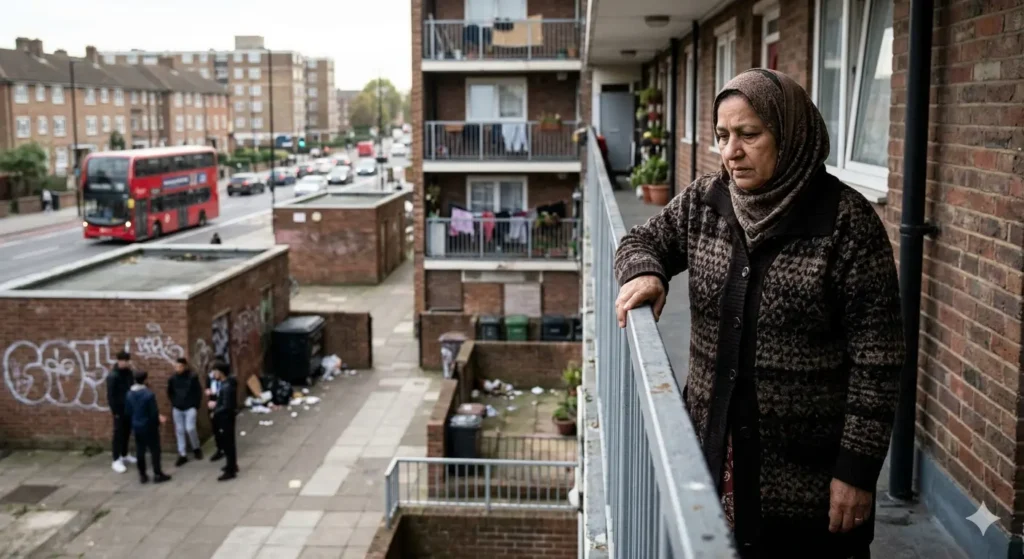
Anti-social behaviour disrupts daily life for many in East London boroughs like Newham and Tower Hamlets. Noisy neighbours, vandalism, or repeated disturbances create ongoing stress, affecting sleep, safety, and community harmony.
For families in Hackney or Waltham Forest, ignored ASB reports can escalate minor issues into major hazards, impacting mental health and property values. The Community Trigger empowers East London council tenants and homeowners alike to demand accountability when standard channels fail.
In dense areas like Barking & Dagenham or Redbridge, where social housing is common, persistent ASB strains neighbour relations. This tool ensures agencies revisit cases, fostering safer streets for local residents.
Step-by-Step Actions to Solve the Problem
Start by documenting every ASB incident with dates, times, descriptions, and evidence like photos or witness statements.
Next, report each separate incident to your local council’s ASB team, police non-emergency line (101), or housing provider within one month of occurrence—aim for at least three reports over six months on the same issue.
If no satisfactory action follows, formally request the Community Trigger from your East London council, such as Newham council or Tower Hamlets council. Submit details of your prior reports, explaining why you believe no effective steps were taken.
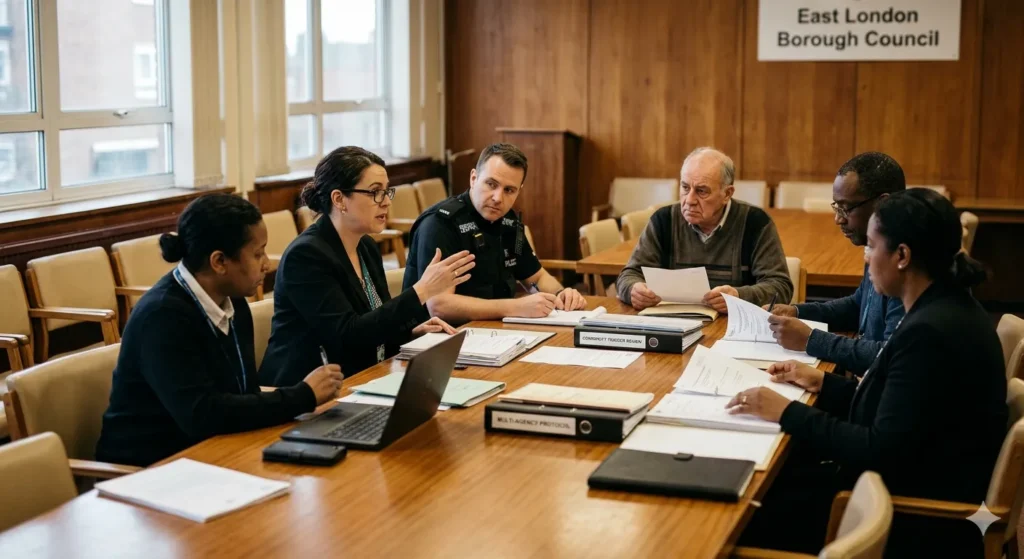
Agencies will assess if the threshold is met within five working days. If approved, a case review meeting occurs within 20 working days, involving police, council, and housing partners to devise an action plan.
Receive a written summary of the review outcomes and agreed actions within 10 days after the meeting. Follow up to ensure implementation.
Which Council Service Handles It
In East London boroughs, the Community Safety or ASB team within each council oversees Community Trigger requests. For Newham council residents, contact the Community Safety Partnership; Tower Hamlets council directs to its ASB Case Review panel.
Hackney Council’s Community Safety team manages activations, while Waltham Forest Council uses its ASB hub. Redbridge and Barking & Dagenham councils route requests through their respective Community Trigger leads under local multi-agency arrangements.
These services coordinate with the Metropolitan Police and social housing providers, ensuring borough-specific procedures align with national law. Local residents should check their council’s community safety pages for the designated contact.
Information or Documents Needed
Provide your full name, address, and contact details when requesting the Community Trigger.
Include logs of at least three ASB reports made within six months, noting dates, reference numbers, and agencies contacted. Describe the behaviour causing harassment, alarm, or distress.
Attach supporting evidence such as photos, videos, noise recordings, or witness statements—ensure these relate to separate incidents reported promptly.
For group cases in East London flats, five residents reporting related issues can collectively apply, sharing their individual report details. No fee applies, and anonymity is possible if safety concerns exist.
Expected Response Time
Councils must acknowledge your Community Trigger request within 48 hours and decide on threshold within five working days.
If met, convene a review panel within 20 working days of activation. Publish an action plan summary within 10 days post-review, detailing responsible agencies and timelines.
East London councils like those in Newham and Hackney typically adhere to these statutory timelines, though complex cases may extend slightly with notice. Track progress via your reference number.
What to Do if Follow-Up Is Required
Monitor the action plan’s implementation and log any non-compliance, such as unmet deadlines by police or council teams.
Contact the lead agency from the review—often your local council’s ASB service—for updates every two weeks. Request written confirmation of steps taken.
If dissatisfaction persists, escalate via the council’s formal complaints process, then to the Local Government and Social Care Ombudsman. MPs or councillors can advocate but cannot directly activate post-threshold.
In Tower Hamlets or Redbridge, persistent issues may qualify for further tools like ASB injunctions, but start with polite follow-ups to maintain cooperation.
Rights and Responsibilities Under UK Rules
Under the Anti-social Behaviour, Crime and Policing Act 2014, victims have the right to request a Community Trigger review if thresholds are met, with agencies legally bound to respond.
Local residents must report incidents accurately and promptly, providing truthful evidence without exaggeration. False reports can lead to action against the complainant.
Councils, police, and housing providers share responsibility for multi-agency reviews and action plans. Breaches of process can be challenged via judicial review, though this is rare for individuals.
Everyone involved upholds data protection under UK GDPR, ensuring sensitive information stays confidential during East London council reviews.
Practical Tips to Avoid the Problem in Future
Report ASB early and consistently to build a strong record before reaching Community Trigger thresholds.
Join or form neighbourhood watch groups in areas like Waltham Forest or Barking & Dagenham to share logs and support collective reports, strengthening cases.
Install home security like CCTV or noise monitors legally, informing neighbours to prevent disputes. Use council mediation services proactively for neighbour issues.
Engage your East London council’s community safety newsletters for prevention advice. Build relationships with local police community support officers for quicker initial responses.
Keep a dedicated ASB diary app or template for timestamps and details, making future reports efficient for Newham council or Hackney residents.
What is ASB harassment when using the Community Trigger?
ASB harassment is repeated behaviour—such as threats, intimidation, persistent noise, or vandalism—that causes distress and has been reported but not properly addressed by authorities.