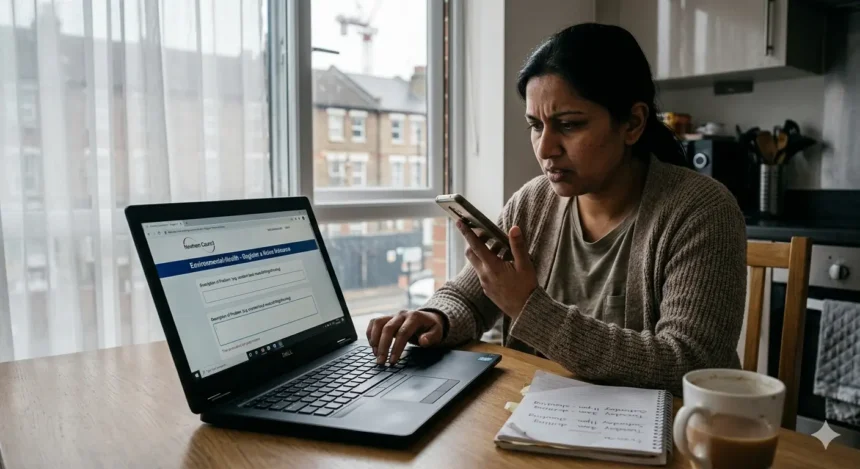
If you are dealing with persistent noise, the quickest way to report it is usually through your local council’s online nuisance form. For East London residents, the process is handled by the environmental health or noise team at your council, and you will normally need to give your address, contact details, and a clear description of the problem.
Why this issue matters
Noise nuisance can affect sleep, concentration, work, and general wellbeing, especially when it continues late at night or happens repeatedly. In busy parts of East London, local residents often need a simple, legal route to report the issue so the council can assess whether it may count as a statutory nuisance.
How the digital form works
The new digital forms are designed to let residents log a complaint online at any time, rather than waiting for office hours. In most cases, the form sends the report directly to the council’s noise or environmental health team, who can then review the details and decide whether further action is needed.
Step-by-step actions
- Check whether the noise is ongoing or one-off. Councils usually want to know if the problem is happening now, how often it happens, and how long it has been going on.
- Use your council’s digital reporting form. Hackney, Barking and Dagenham, and Redbridge all provide online routes for reporting noise nuisance, and the complaint goes to the relevant local team.
- Enter clear details. Include the type of noise, where it is coming from, the date and time, and how it is affecting you.
- Submit any supporting evidence if available. Some councils allow you to add notes or evidence, which can help officers understand the scale of the issue.
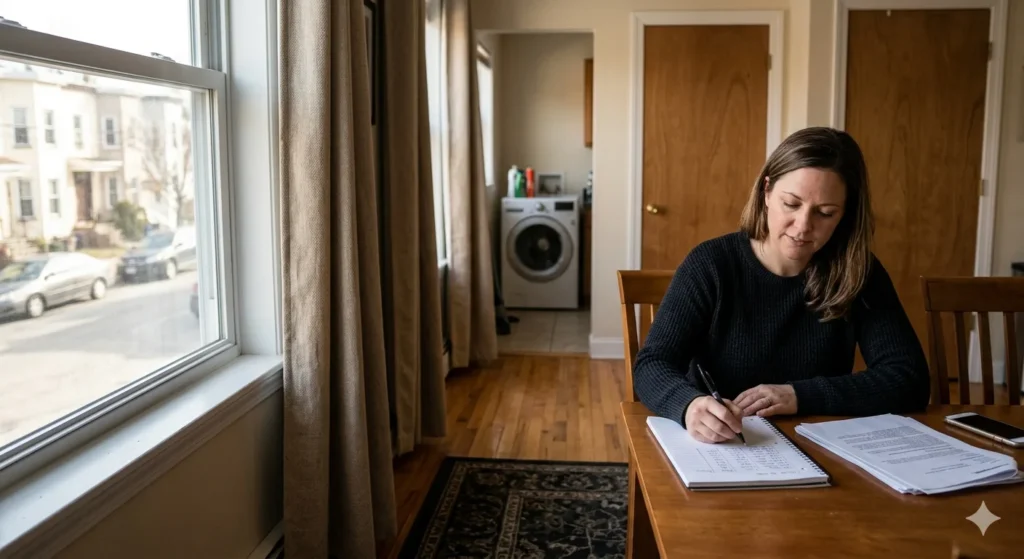
- Keep a record. If the problem continues, note the dates, times, duration, and impact so you can update the council if asked.
Which council service handles it
In East London, noise nuisance is usually handled by the council’s environmental health, pollution control, or noise team. For example, Hackney’s noise reporting system sends complaints to its noise service, Barking and Dagenham directs residents to its nuisance noise reporting route, and Redbridge lists noise nuisance under its public protection pages.
If you live in Newham council or Tower Hamlets council, use the local council’s environmental health or noise complaint service and look for the online nuisance reporting form on the council website. The exact form name may vary, but the process is generally the same across East London council services.
Information you may need
Most digital forms ask for a few standard details, including:
- your name and contact details.
- your address.
- the address or location where the noise is coming from.
- the type of noise.
- the date, time, and frequency.
- a short description of how it affects you.
Some councils also ask whether the noise is happening right now, and whether you have already reported the issue before. If you have an existing case, you may be asked for a reference number.
Expected response time
Response times vary by council and by the time of day, but many councils aim to review reports as soon as possible and may contact you to confirm whether the noise is still happening. Barking and Dagenham says officers may call back and arrange a visit if the problem continues, while Hackney notes that officers are available during office hours and at other times through its reporting system.
For local residents, it is best to assume that urgent or late-night issues may still need follow-up, even after the form is submitted. Councils often need more than one report to build a full picture, especially if the noise is intermittent.
What happens next
If the council needs more information, you may be asked to confirm that the noise is still happening, complete a diary, or provide additional dates and times. In some cases, an officer may visit your property to assess the impact and decide whether the noise amounts to a statutory nuisance.
If the issue continues, keep replying to the council’s requests and update your record. This helps the noise team understand patterns such as repeated late-night music, shouting, barking, or machinery noise.
Rights and responsibilities
Under UK rules, councils can investigate certain forms of statutory nuisance under environmental protection law. That means residents have the right to report serious or repeated noise, but they also need to give accurate information so the council can assess the complaint properly.
If the noise is from a neighbour, it is often sensible to try a calm first conversation where that is safe and appropriate, because some problems are caused without the other person realising. Redbridge also notes that legal advice may be available in some situations, and that notice in writing can be relevant in nuisance cases.
Practical prevention tips
To reduce the chance of repeat problems, local residents can:
- keep windows and doors closed at the noisiest times.
- agree quiet hours with neighbours where possible.
- avoid placing speakers, washing machines, or DIY activity against shared walls late at night.
- use carpets, curtains, or underlay to reduce sound transfer.
- keep a simple log if a problem is recurring.
These steps do not replace a council complaint, but they can help lower everyday noise and make future issues easier to resolve.
For East London residents
If you live in Newham, Tower Hamlets, Hackney, Waltham Forest, Redbridge, or Barking & Dagenham, the best first step is to look for your council’s online noise nuisance form and submit a clear report with the basic facts. The digital process is usually the fastest route for local residents who want the matter logged and reviewed by the right team.
What counts as unreasonable noise from neighbours when reporting a noise nuisance?
Noise is classed as unreasonable if it is excessive, persistent, or occurs at unsociable hours (typically late at night or early morning), and significantly interferes with normal living—such as loud music, shouting, DIY, or frequent parties.