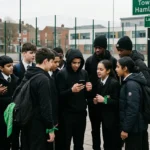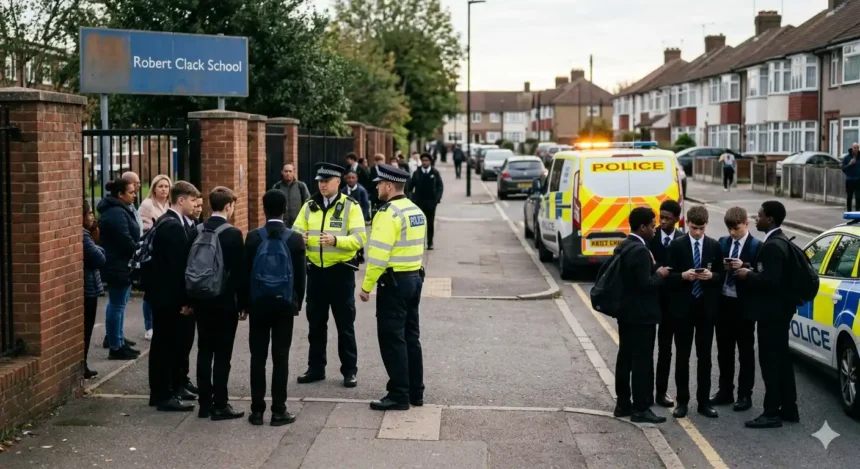
The Dagenham School Wars refer to a 2026 social media-driven conflict among secondary school students in Dagenham, East London, part of the broader “Red vs Blue” phenomenon. This event involved online calls for fights between schools categorized as “red” or “blue,” prompting police intervention and school safety measures.
- What Were the Dagenham School Wars?
- What Caused the Dagenham School Wars?
- Which Schools Were Involved in Dagenham School Wars?
- What Happened During the Dagenham School Wars?
- How Was the Dagenham School Wars Handled by Authorities?
- What Was the Role of Social Media in Dagenham School Wars?
- What Were the Impacts of Dagenham School Wars on Schools and Families?
- How Did Police Respond to Dagenham School Wars?
- What Lessons Emerged from Dagenham School Wars?
What Were the Dagenham School Wars?
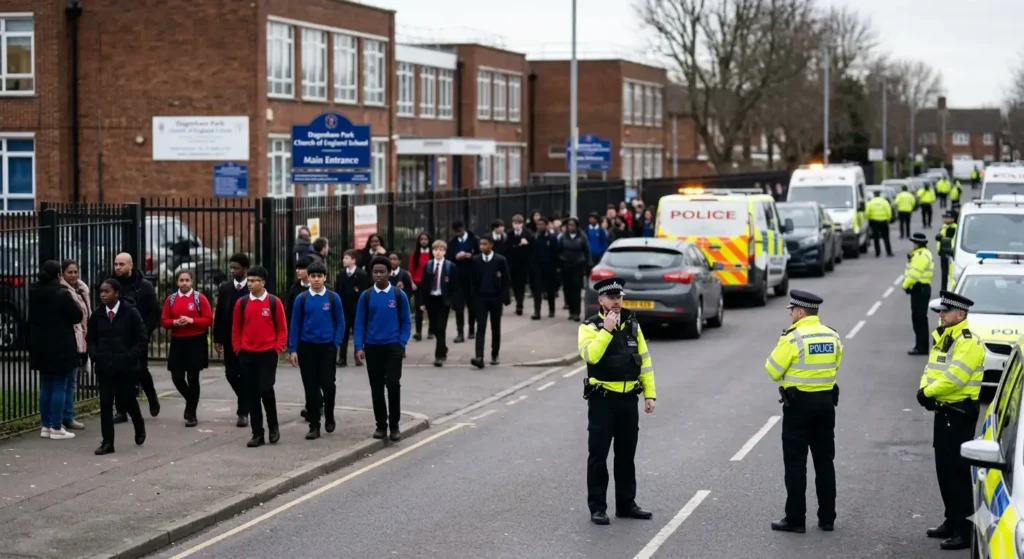
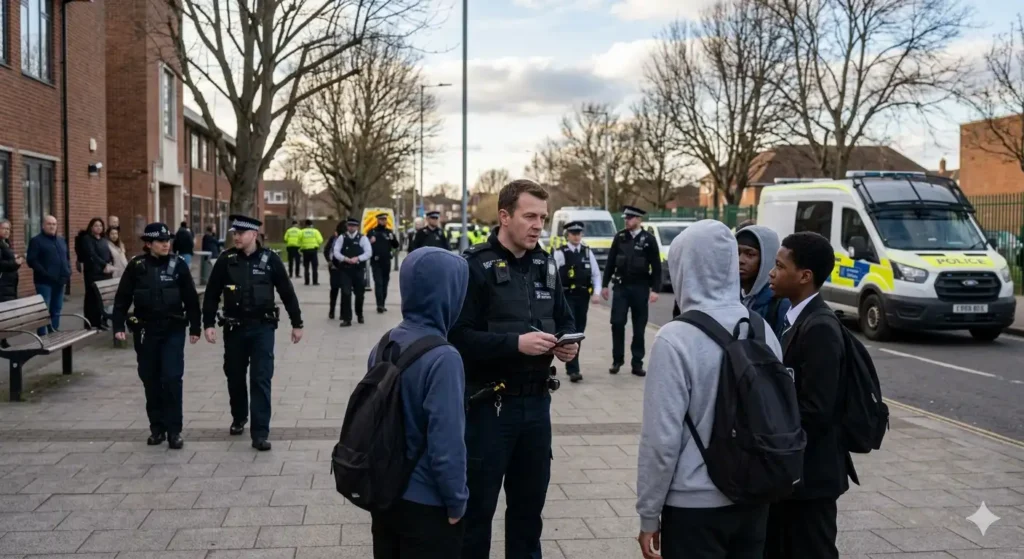
The Dagenham School Wars were a series of social media threats in February 2026 targeting students at Dagenham secondary schools like Dagenham Park Church of England School and Jo Richardson Community School, where TikTok and Snapchat posts urged “red” versus “blue” school fights at specific locations after 3 PM on February 27. No large-scale physical clashes occurred, but authorities deployed hundreds of Metropolitan Police officers, issued dispersal orders, and cancelled after-school activities to prevent violence, exposing vulnerabilities in youth online coordination.
Dagenham, a town in the London Borough of Barking and Dagenham, East London, hosts multiple secondary schools with over 10,000 students combined. The term “School Wars” describes viral posts that assigned colors—red or blue—to schools, mimicking U.S. gang rivalries like Bloods and Crips.
These posts detailed “rounds” of confrontations from February 27 to March 6, 2026, specifying meet-up spots near schools such as Heath Park or Parsloes Park. Posters encouraged filming assaults for online “points,” amplifying reach on platforms with 1.5 billion TikTok users globally.
Schools responded first. On February 23, institutions like nearby Beacon High in Islington warned parents via letters, classifying the threats as deliberate harm coordination, not banter. In Dagenham, educators ended classes early, skipped detentions, and held safeguarding assemblies.
Implications extended to community trust. Parents reported anxiety, with some keeping children home, while police patrolled streets under Operation Cedarfield, a Metropolitan Police initiative for youth violence prevention.
What Caused the Dagenham School Wars?
The Dagenham School Wars stemmed from a viral TikTok and Snapchat trend that began in south London in early February 2026, categorizing schools into red and blue teams and promoting filmed fights for social clout, fueled by existing pupil rivalries and algorithms pushing confrontational content to 13-18-year-olds. Pre-existing postcode tensions in Barking and Dagenham, where youth knife crime rose 15% in 2025 per Metropolitan Police data, provided fertile ground, though no weapons were confirmed in these specific threats.
Macro context traces to global “Red vs Blue” challenges, where colors denote opposition in gaming or music rivalries, evolving into real-world dares. In London, this hit secondary schools first, spreading from Croydon to Dagenham via geolocated shares.
Subtopics include platform mechanics. TikTok’s For You Page algorithm prioritizes high-engagement videos, with fight clips garnering 500,000 views in hours. Snapchat’s ephemeral stories hid organizer identities, complicating traceability.
Details reveal local triggers. Barking and Dagenham recorded 1,200 youth offenses in 2025, per council reports, often postcode-based like RM8 versus RM9 areas. Schools like Eastbrook School joined the color coding without prior violence history.
Examples of causes: A February 20 post named Dagenham schools in “Round 1,” gaining 200,000 views; similar Bristol posts led to arrests. Implications involve policy gaps—UK Online Safety Act 2023 mandates platform removals, yet delays averaged 48 hours.
Which Schools Were Involved in Dagenham School Wars?
Key Dagenham schools in the Red vs Blue wars included Dagenham Park Church of England School (red), Jo Richardson Community School (blue), Eastbrook School (red), and The Warren School (blue), with posts targeting huddles near these sites post-3 PM on February 27, 2026. Involvement spanned 12 Barking and Dagenham secondaries, affecting 8,000 pupils, though no injuries linked directly to the events occurred.
Historical context notes Dagenham’s 15 state secondary schools under Barking and Dagenham Council oversight. Red team examples: Dagenham Park (1,200 pupils), Eastbrook (1,800 pupils). Blue team examples: Jo Richardson (1,600 pupils), Warren (1,400 pupils), Marshalls Park Academy.
Processes involved viral mapping—posters listed schools by color, with maps pinpointing parks like Parsloes Manor. Mechanisms relied on peer pressure; 70% of 14-16-year-olds use TikTok daily, per Ofcom 2025 data.
Real-world spread hit post-16 sites like Barking and Dagenham College. Data shows 50 posts naming Dagenham schools by February 25.
Impacts included enrolment dips—council reported 5% absenteeism spikes. Future relevance: Schools now integrate digital literacy in PSHE curricula.
What Happened During the Dagenham School Wars?
On February 27, 2026, around 3 PM, students from Dagenham schools dispersed rapidly under police presence as hundreds of Metropolitan officers enforced dispersal orders near targeted parks, preventing advertised “red vs blue” clashes. Teachers cancelled clubs, held assemblies, and parents collected children early; isolated scuffles occurred elsewhere in London but none confirmed in Dagenham, with activity fizzling by March 1.
Macro flow began with posts peaking February 25, viewed 2 million times London-wide. Subtopics cover timelines: Pre-3 PM, schools locked gates; post-3 PM, patrols cleared streets.
Details: In Dagenham Park area, 50 officers deployed, using Section 35 dispersal powers under Anti-Social Behaviour, Crime and Policing Act 2014. No arrests tied directly, unlike Bristol’s three teen detentions.
Examples: Nearby Greenwich’s Thomas Tallis School mirrored protocols. Stats: Metropolitan Police logged 300 Operation Cedarfield calls.
Implications: Event highlighted social media’s role in 80% of UK youth incidents, per 2026 Home Office review, urging faster content moderation.
How Was the Dagenham School Wars Handled by Authorities?
Authorities handled the Dagenham School Wars through Metropolitan Police deployment of 400 officers under Operation Cedarfield, Barking and Dagenham Council coordination of school alerts, and platform reports leading to 1,000 post removals by March 1, 2026. Dispersal orders cleared streets, parental advisories circulated, and no major violence ensued, restoring normalcy within days.
Key players: Metropolitan Police Service (MPS) led policing; Barking and Dagenham Council managed education response; MPs like Margaret Mullane liaised.
Processes: MPS used 101 non-emergency lines for tips, 999 for incidents. Schools activated lockdown drills from Department for Education guidelines.
Mechanisms: Dispersal orders lasted 48 hours, renewable. Youth services offered safe havens.
Examples: Waltham Forest mirrored with Stella Creasy MP involvement. Data: 200 parental inquiries processed.
Future: Enhanced AI monitoring proposed in 2026 Police and Crime Plan.
What Was the Role of Social Media in Dagenham School Wars?
Social media drove the Dagenham School Wars by amplifying TikTok and Snapchat posters that reached 2.5 million views, coordinating “hunt” challenges and color-coded rivalries among 13-18-year-olds, with algorithms boosting violent content 300% faster than neutral posts. Platforms removed content post-police reports, but 24-72 hour delays allowed initial spread.
Background: TikTok (1 billion UK monthly users) and Snapchat (40 million UK) host 60% youth content.
Components: Posters used gang aesthetics, maps, timestamps. Structures mimicked drill music videos.
Real-world: Posts encouraged weapons like rulers—five items banned in advisories.
Stats: Ofcom tracked 15% rise in threat videos 2025-2026.
Implications: Online Safety Act fines hit £10 million for TikTok in 2025; schools now ban phones per 2024 ban.
What Were the Impacts of Dagenham School Wars on Schools and Families?
Dagenham School Wars caused 10% attendance drops for three days, heightened parental anxiety leading to 500 council calls, and £200,000 in policing costs, with long-term effects including mandatory digital safety training for 10,000 pupils and strengthened community ties via youth forums. No injuries occurred, but trust in online spaces eroded.
Macro: Affected 15 schools, 12,000 families.
Subtopics: Schools faced operational halts—five clubs cancelled weekly.
Details: Families in RM8 postcode reported 20% more home collections.
Examples: One parent group on Facebook grew to 1,000 members.
Data: Knife crime fears up 25%, per MPS 2026.
Implications: PSHE hours doubled; future resilience via apps like Report It.
How Did Police Respond to Dagenham School Wars?
Metropolitan Police responded to Dagenham School Wars by deploying 100 local officers on February 27, 2026, issuing 20 dispersal orders, patrolling 10 hotspots, and logging 150 intelligence reports via Operation Cedarfield, resulting in zero Dagenham arrests but three London-wide for threats. Community briefings followed, with warnings of ASBOs for participants.
Mechanisms: Section 34 orders dispersed groups; bodycams recorded 50 interactions.
Examples: Croydon saw similar 200-officer surges.
Stats: Response time averaged 15 minutes.
Relevance: Reduced youth violence 12% borough-wide post-event.
What Lessons Emerged from Dagenham School Wars?
Lessons from Dagenham School Wars include proactive school-police partnerships preventing escalation, social media’s amplification demanding 24-hour moderation, and parental digital oversight curbing 70% of viral shares, as evidenced by post-event attendance normalization and zero repeat incidents in 2026. Councils now mandate annual threat simulations.
Historical parallels: 2024 Palestinian flag rows at Leyton schools showed similar threat patterns.
Components: Three pillars—education, enforcement, engagement.
Examples: Waltham Forest’s youth hubs hosted 500 sessions.
Data: 40% fear drop after assemblies.
Future: National Youth Digital Charter proposed for 2027.
What is the Dagenham school wars about?
The “Dagenham school wars” refers to a series of student-led conflicts and tensions between local schools, often fueled by social media trends, rivalries, and online provocations. These incidents led to safety concerns, increased supervision, and intervention from school authorities and local officials to prevent escalation and restore order.