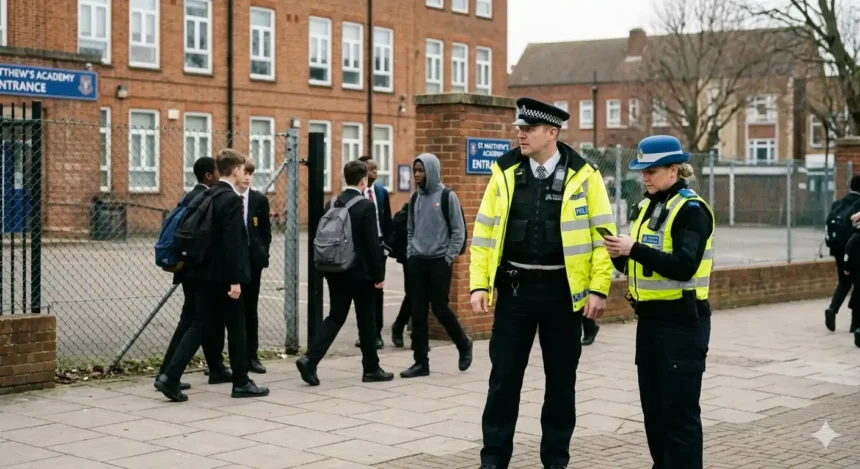
London school wars consist of social media trends on TikTok and Snapchat that divide secondary schools into red and blue factions and urge students aged 11 to 16 to carry weapons like knives, compasses, and scissors for organized fights. The Metropolitan Police monitor these posts, maintain visible presence at over 50 schools in 12 boroughs, and warn of arrests and imprisonment for participants. No major incidents occurred despite heightened alerts in early 2026.
- What Are London School Wars?
- Historical Context of School Wars
- Key Components of School Wars Trends
- Which Schools Were Involved in London School Wars?
- Processes Behind School Involvement
- What Weapons Did School Wars Posts Promote?
- Mechanisms of Weapon Promotion
- What Have Police Said About School Wars?
- Police Response Processes
- What Is the Background of School Violence in London?
- Data and Statistics on Youth Violence
- What Impacts Did School Wars Have on Schools and Communities?
- Implications for Students and Families
- How Did Authorities Prevent School Wars Escalation?
- Future Relevance and Ongoing Measures
What Are London School Wars?
London school wars define social media campaigns on TikTok, Snapchat, and Instagram that pit secondary schools against each other in red versus blue teams, encouraging pupils aged 11 to 16 to arm with knives, compasses, metal combs, scissors, rulers, and fireworks for scored fights based on punches and injuries landed on opponents from rival schools.
Posts emerged during half-term in February 2026, grouping over 50 schools across 12 London boroughs including Hackney, Tower Hamlets, Croydon, and Greenwich into factions inspired by Los Angeles gangs Bloods and Crips. Posters feature masked figures in red and blue balaclavas and award points for violent acts like “staining an opp,” meaning injuring an opponent.
Historical Context of School Wars
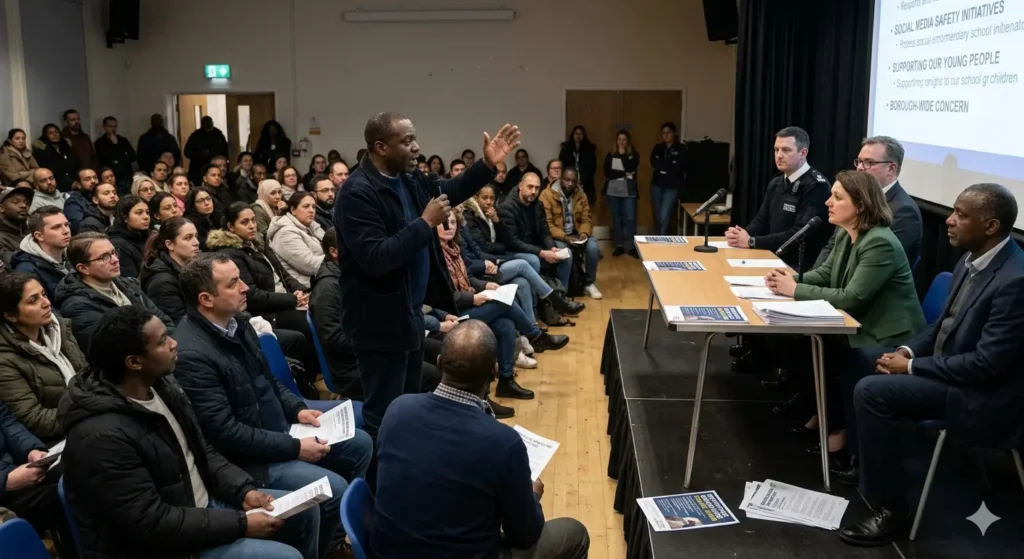
School wars follow prior youth violence trends, such as the February 10, 2026, stabbing at Kingsbury High School in Brent where a 13-year-old boy stabbed two pupils aged 12 and 13, facing charges of attempted murder and knife possession. Knife crime among under-18s persisted as a serious issue, with police recording over 50,000 knife-enabled crimes in England and Wales in 2023/24, up 4% from the previous year. Hospital admissions for knife assaults on children rose 9% in the latest year reported.
Key Components of School Wars Trends
Trends operate through anonymous accounts like @kk.ondat in Tower Hamlets, posting propaganda videos that glorify violence and specify weapons and locations such as McDonald’s on Mare Street in Hackney. Schools divide by postcode, for example N1 for Shoreditch Park, with rules to “be violent” and use sharp objects. Platforms removed a dozen accounts after police requests.
Which Schools Were Involved in London School Wars?
Over 50 secondary schools across 12 London boroughs participated in school wars trends, including Mossbourne Community Academy, City of London Academy Shoreditch Park, The City Academy Hackney, Harris Girls’ Academy East Dulwich in Hackney; Langdon Park, Canary Wharf College, Wapping High School, George Green School in Tower Hamlets; and schools in Greenwich, Croydon, Islington, Camden, Redbridge, Newham, Harrow, Ealing, Waltham Forest, Bromley.
Schools targeted Year 9 to 11 pupils aged 13 to 16 primarily, though posts reached younger children aged 11. East London areas like Hackney saw eight schools named in a “Hackney War” post, while Tower Hamlets featured “Green vs Black” variants. No evidence showed widespread participation, as police reported zero incidents linked to the trends.
Processes Behind School Involvement
Posts circulated during half-term breaks, listing schools by faction and scheduling “rounds” for mass brawls. Schools responded by notifying parents, canceling detentions, clubs, and after-school activities until March 6, 2026, and extending supervision until 5pm. Headteachers suggested some posts came from AI robots but treated all as potential threats.
What Weapons Did School Wars Posts Promote?
School wars posts promoted compasses, metal combs, scissors, rulers, kitchen knives, and fireworks as weapons, with instructions to “be violent” and use them to injure opponents for points in fights between red and blue school teams. Examples include compass stabs directed by postcode and knives for “staining” rivals.
Weapons mimicked everyday school items to evade detection, escalating to blades after initial punches. In Hackney, posts urged sharp objects at a McDonald’s meetup. Youth Endowment Fund data shows 2% of teenagers, about 86,000 young people, carry knives, with 1 in 20 using weapons to threaten or harm.
Mechanisms of Weapon Promotion
Social media videos demonstrated attacks, scoring punches at one point and injuries higher, turning violence into a game. Platforms like TikTok blocked “red vs blue” searches and removed violating content per community standards against glorifying violence.
What Have Police Said About School Wars?
Metropolitan Police Commander Neerav Patel stated they monitor posts, contact schools in multiple boroughs for reassurance, maintain strong visible presence around schools, respond firmly to violence reports, and collaborated to suspend a dozen accounts; arrests carry serious consequences like imprisonment affecting future opportunities. Quote: “Officers will maintain a strong, visible presence around schools, and will respond firmly to any reports of violence or disorder.”
Police launched Operation Cedarfield to visit schools, gather intelligence, and patrol high streets. On March 5, 2026, they arrested a young male and a man in his twenties for inciting violence via posts, releasing them on bail. Avon and Somerset Police echoed monitoring with no incidents in Bristol.
Police Response Processes
Under Section 35 Dispersal Order in Greenwich until 10pm on February 27, 2026, officers dispersed youth gatherings. Police urged reporting via 101 or 999, quoting Operation Cedarfield. No disorder occurred despite alerts.
What Is the Background of School Violence in London?
School violence in London stems from rising youth knife crime, with 7,512 children aged 10-14 suspected of violent offenses including knives in 2023, up 38% since 2020; 40 children died from knife or sharp object attacks in 2023/24. Victim-perpetrator overlap affects 48% of violent teens, rising to 81% in gangs.
Metropolitan Police data shows disproportionate impact on teenagers. One in five secondary teachers saw pupils with knives in school. Mayor’s Violence Reduction Unit, set up in 2019, addresses root causes.
Data and Statistics on Youth Violence
Over 50,000 knife crimes recorded in 2023/24. 25% of young people know someone carrying a knife or in a gang. Pupil referral units report 50% exposure to knives.
What Impacts Did School Wars Have on Schools and Communities?
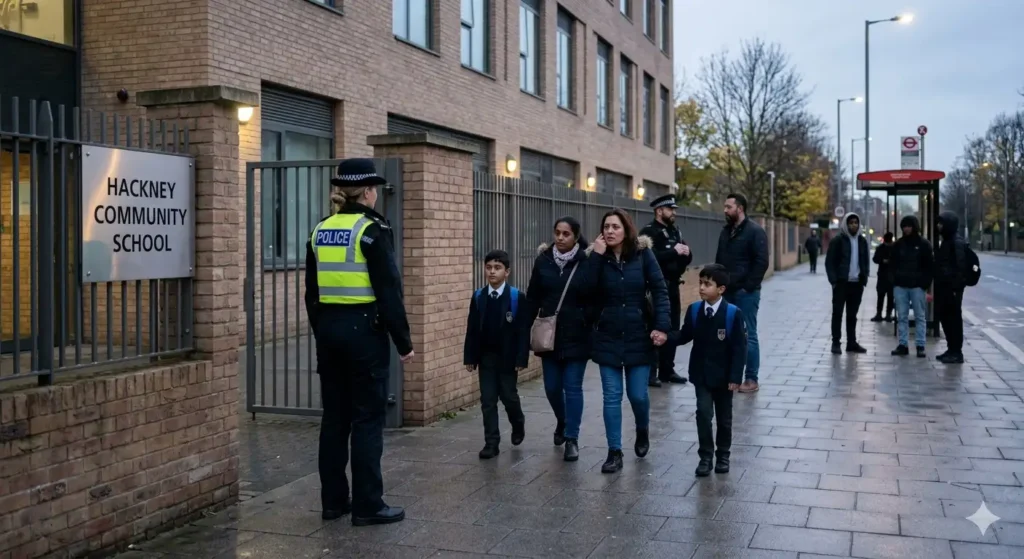
School wars led to canceled detentions, early dismissals, no after-school clubs until March 6, 2026, increased police at gates, parents keeping children home, and heightened security in Hackney, Tower Hamlets, and other boroughs, though no fights or injuries linked to trends occurred. Nurses in Homerton prepared for trend-related wounds.
Schools like those in east London extended hours for safe pickups and warned against lingering in groups. Communities saw parental anxiety and government involvement, with Technology Secretary Liz Kendall noting TikTok action and Health Secretary Wes Streeting pledging crackdowns.
Implications for Students and Families
Arrests risk long-term records barring opportunities. Charities like Charlie’s Promise, named after 17-year-old stabbing victim Charlie Cos, stressed real dangers beyond online games. Schools prioritized safety via police partnerships.
How Did Authorities Prevent School Wars Escalation?
Authorities prevented escalation through Metropolitan Police patrols under Operation Cedarfield, school collaborations, social media account removals, dispersal orders like Section 35 in Greenwich, arrests of two males on March 5, 2026, and parent advisories to monitor phones and ensure direct home routes.
TikTok limited searches and enforced guidelines. Schools enhanced measures without closing. Police confirmed no incidents by early March 2026.
Future Relevance and Ongoing Measures
Trends spread to Bristol but yielded no violence. Knife crime persists, requiring sustained Violence Reduction Unit efforts. Police continue monitoring online spaces. East London Times covers local responses in Hackney and Tower Hamlets for community awareness.