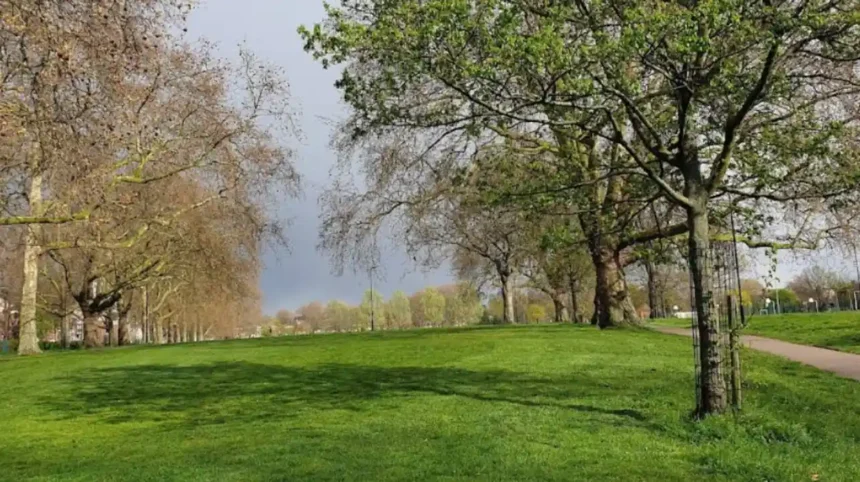
Hackney in east London combines large parks, canal paths, historic gardens, and photography-friendly urban landscapes. It suits visitors who want outdoor recreation, residents who want local green space, and travellers who need walkable, work-friendly places with clear routes, open views, and easy transport links.
- What makes Hackney good for outdoor time?
- Why does Hackney attract walkers and cyclists?
- Which parks are best for a first visit?
- Where can you find the best scenic walking routes?
- What outdoor spots suit photographers?
- How much history is visible outdoors in Hackney?
- Which places work for families and relaxed visits?
- Where should digital nomads spend downtime outdoors?
- What should visitors do on a short stay?
- Why does Hackney matter for outdoor tourism now?
What makes Hackney good for outdoor time?
Hackney is one of London’s strongest outdoor districts because it combines major parks, canals, step-free walking routes, and heritage spaces in a compact area. The borough offers short city walks, longer nature loops, cycling routes, picnic lawns, and scenic spots for photography and downtime.
Hackney works well for different travel styles because many outdoor places sit near stations, bus routes, and local high streets. That makes it practical for tourists with limited time, residents planning day trips, and business travellers who want a reliable break between meetings. The mix of open green space and dense neighbourhood streets also creates strong visual contrast for people who want varied walking routes in one visit.
Why does Hackney attract walkers and cyclists?
Hackney attracts walkers and cyclists because it has connected green infrastructure, including the Regent’s Canal towpath, park networks, and signed routes such as the Hackney Naturehood Trail. These links create continuous outdoor movement without needing a car, which suits short visits and flexible day plans.
The Regent’s Canal gives Hackney one of its most useful outdoor corridors. It supports walking and cycling along calm waterside sections, with views that shift from industrial edges to tree-lined stretches and residential canalside scenes. National Trust’s Hackney Naturehood Trail adds a 3.7km, step-free circular route that weaves through urban greenery, playgrounds, and historic gardens, which makes it useful for families, older visitors, and accessible sightseeing.
Hackney also works as a link borough. A visitor can start at one park, follow the canal, cross into another green space, and end at a market or cafe without breaking the outdoor rhythm. That structure gives the area strong semantic relevance for searches around “walks,” “scenic routes,” “canal walks,” and “outdoor things to do in Hackney.”
Which parks are best for a first visit?
For a first visit, Victoria Park, London Fields, Hackney Marshes, and Clissold Park give the clearest overview of Hackney’s outdoor character. Together they show the borough’s scale, from formal lawns and lakes to sports fields, neighbourhood lawns, and quieter heritage landscapes.
Victoria Park is the best-known large park in the wider Hackney area. Tower Hamlets describes it as the borough’s oldest and largest park, with around nine million visits per year, and it opens daily from 7am to dusk. It includes lakes, paths, open lawns, and community-facing amenities, which makes it strong for picnics, walking, and relaxed photography.
London Fields is another high-value outdoor stop because it sits close to transport and local food streets. It is frequently used for casual walks, social time, and outdoor exercise. Hackney Marshes is much more open and sport-focused, and it is known for a very large concentration of football pitches. Clissold Park adds a different character, with a calmer, more ornamental feel that suits slower strolls and family visits.
Where can you find the best scenic walking routes?
The best scenic walking routes in Hackney run along Regent’s Canal, the Hackney Naturehood Trail, and the park-to-park links between Hackney Central, Hackney Wick, and London Fields. These routes combine water views, trees, bridges, street art, and local heritage into one continuous outdoor experience.
The Regent’s Canal is the most reliable scenic route in the area. It gives steady waterside views and easy access to multiple neighbourhoods, which suits tourists who prefer a self-guided route with frequent points of interest. Canal walks in east London are especially useful because they remain attractive in all seasons and do not depend on event schedules or timed entry.
The Hackney Naturehood Trail adds a more compact option. It is step-free, 3.7km long, and designed to connect local green spaces while highlighting stories, sensory moments, and urban nature. That makes it a practical option for visitors who want a structured walk rather than an improvised route. It also fits users searching for “accessible walk,” “short walk,” and “nature walk in Hackney.”
For photography, the best routes combine water, bridges, old brickwork, and changing light. The canal corridor gives reflections and linear perspective, while park edges provide open sky and seasonal colour. That combination produces stronger images than a single park lawn alone.
What outdoor spots suit photographers?
Hackney offers strong photography locations because it includes canals, heritage buildings, market streets, pocket gardens, and open parks with wide sightlines. The best images come from locations where natural light, water, texture, and historic detail meet in one frame.
Sutton House and Breaker’s Yard is one of the most distinctive historic outdoor settings in Hackney. The National Trust says Sutton House was built in 1535 and is the oldest house in Hackney, with a historic courtyard and the Breaker’s Yard, a playful pocket park that celebrates industrial history. That gives photographers a rare mix of Tudor architecture and modern landscape design.
Hackney Marshes suits photographers who want scale. Large open sports fields create strong horizon lines, while the broader marshland setting gives a sense of space inside London. London Fields and Victoria Park work better for people who want people, movement, and softer urban park scenes rather than empty landscape shots.
Canal sections near Hackney Wick and the eastern borough edge add another visual layer. Water, rail infrastructure, bridges, graffiti, and converted buildings sit close together, which supports urban photography, street photography, and content creation for social media or travel articles.
How much history is visible outdoors in Hackney?
Hackney’s outdoor spaces carry visible history through old houses, former industrial land, historic waterways, and long-established parks. The borough’s scenery works as a living record of urban change, from Tudor heritage to modern recreation and community gardens.
Sutton House shows the deepest historic layer. It was built in 1535, served many uses over five centuries, and now combines heritage rooms with an outdoor courtyard and community-minded garden space. This matters for visitors who want more than a park: they want a place where landscape and history are directly connected. Read about the full history of Sutton House and Breaker’s Yard to understand its origins.
The canal network also explains Hackney’s outdoor identity. Waterways once supported transport and trade, and they now support leisure walking and cycling. That shift from industrial infrastructure to public amenity is one of the defining features of east London outdoor tourism.
Victoria Park and the other large open spaces show the borough’s social history as well. These spaces were built for public use and remain heavily used today, which links historical planning with modern recreation. That continuity gives Hackney long-term appeal for people researching parks, heritage walks, and urban green space.
Which places work for families and relaxed visits?
Families and relaxed visitors get the best experience from Victoria Park, the Hackney Naturehood Trail, Hackney City Farm, and the calmer sections of London Fields. These places offer open space, easy movement, and simple activities without requiring specialist equipment or advance booking.
Victoria Park is the strongest all-round choice because it combines lawns, lakes, paths, and enough space for picnics and slow walking. Its scale also reduces crowding pressure in comparison with smaller neighbourhood parks. Families benefit from that because children get room to move and adults get a clearer sitting and resting environment.
The Hackney Naturehood Trail is suitable for shorter, structured outdoor time. The trail links green spaces, playgrounds, and historic gardens in a single 3.7km route, which keeps the outing predictable. That is useful for visitors with children, mixed-age groups, or limited time.
Hackney City Farm, while more of a community attraction than a pure park, adds outdoor variety. It gives visitors a countryside-style experience in the city, which broadens Hackney’s appeal beyond standard park visits. That mix supports family itineraries and slower day plans.
Where should digital nomads spend downtime outdoors?
Digital nomads should prioritise park edges, canal walks, and neighbourhood green spaces near cafes and transport links. These settings provide fresh air, walking breaks, and flexible remote-work downtime without forcing a full excursion away from the borough’s main amenities.
Hackney works well for remote workers because many of its outdoor spaces sit close to coffee shops, libraries, and mixed-use streets. That creates a practical rhythm: work, walk, rest, then return to work. London Fields and the streets around Hackney Central suit this pattern especially well because they combine outdoor space with nearby food and drink options.
The canal is useful for resetting between calls or focused work blocks. A linear walk along water gives a strong sense of movement without needing navigation decisions every few minutes. That makes it easier to fit into a workday than a large, destination-based excursion.
For longer breaks, the more formal parks provide benches, lawns, and calmer surroundings. Victoria Park is especially useful because of its size and public amenities. That gives remote workers a better environment for a lunch break or a screen-free reset between tasks.
What should visitors do on a short stay?
Visitors on a short stay should pair one major park with one canal walk and one heritage stop. That three-part structure gives a balanced Hackney experience by combining nature, scenery, and historical context without wasting time on duplicate settings.
A strong half-day plan starts with Victoria Park or London Fields, continues along the Regent’s Canal, and finishes at Sutton House or the Museum of the Home. The Museum of the Home explores changing domestic interiors from 1600 to the present day, which adds another layer of context for travellers interested in how London life has changed over time.
This structure works because Hackney’s attractions are close enough to combine, but different enough to feel distinct. A visitor does not need a car or a long transfer to move between them. That is one reason Hackney ranks highly for “things to do nearby” and “outdoor places in east London.”
If time is tight, keep the route simple. Start early in a park, follow the canal for one stretch, then finish at a heritage site or market area. That sequence gives the clearest mix of scenery, movement, and local identity in a single visit.
Why does Hackney matter for outdoor tourism now?
Hackney matters for outdoor tourism because it delivers compact, varied, and publicly accessible green space inside a dense London borough. Its parks, canals, trails, and heritage gardens give visitors multiple ways to experience the area across seasons and trip types.
The borough’s outdoor offer also fits current travel behaviour. Visitors search for walkable destinations, flexible half-day activities, scenic photos, and free or low-cost experiences. Hackney matches those needs because its strongest attractions are outdoors, linked, and easy to combine.
Its long-term relevance is also clear. The borough’s outdoor spaces support health, leisure, community use, and tourism at the same time. That makes them more durable than trend-based attractions, and it gives Hackney lasting value for local residents and short-stay visitors alike.
For the broadest audience, Hackney’s strength is balance. It gives tourists scenery, residents routine access, digital nomads usable downtime, and business travellers a simple way to recover between commitments. That versatility keeps the borough highly searchable and consistently useful.
What makes Hackney good for outdoor time?
Hackney combines major parks, canal paths, heritage gardens, and step-free walking routes within a compact east London borough. Visitors can enjoy short walks, longer cycling routes, picnic lawns, scenic photography spots, and outdoor relaxation with easy access to public transport and local high streets.