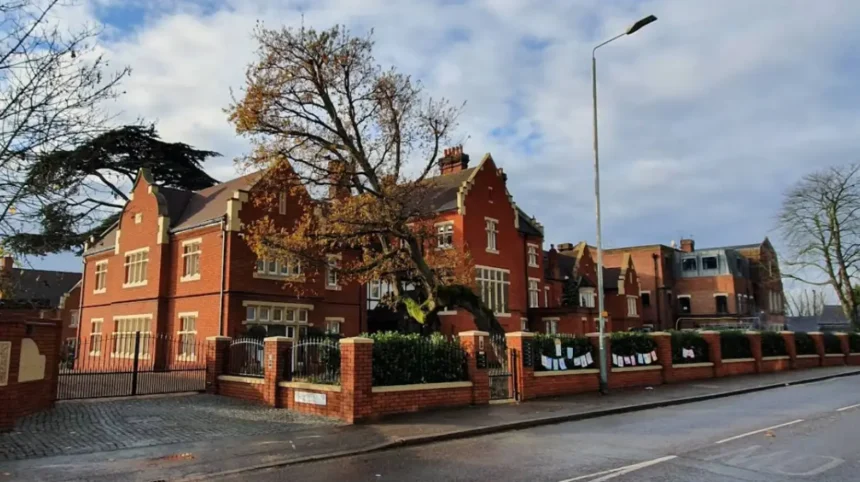
Havering is one of East London’s best-value visitor areas because it combines large parks, heritage sites, village-style high streets, riverside landscapes, and practical leisure stops in one borough. It suits tourists, residents, digital nomads, and business travellers who want a clear mix of outdoor time, local culture, and easy day-trip planning.
- What makes Havering worth visiting?
- Which parks should visitors choose first?
- Where can visitors find Havering’s heritage?
- What can visitors do in Romford, Hornchurch, and Upminster?
- Where should families spend time in Havering?
- What are the best free things to do?
- Where can visitors eat and rest?
- How should visitors plan one day?
- Why does Havering matter for East London travel?
What makes Havering worth visiting?
Havering stands out because it offers green space, heritage buildings, family attractions, and local dining within a borough that still feels open and less dense than inner London. It gives visitors a different East London experience, with countryside-style scenery alongside urban access.
Havering sits in the east of Greater London and is known for its wide-open parks and historic settlements. Public tourism and borough information highlight places such as Bedfords Park, Hornchurch Country Park, Raphael Park, Rainham Hall, Upminster Windmill, and Havering Museum as key visitor stops. That mix matters because it gives the borough a broad appeal rather than a single tourist focus.
The area works well for day visitors because many attractions are close enough to combine in one itinerary. A visitor can start with a park walk, move to a heritage site, and finish with a meal in Romford, Hornchurch, or Upminster. That structure suits short-stay tourists and business travellers with limited free time.
Havering also links naturally to wider East London travel. Visit London describes East London as a varied area shaped by sport, culture, shopping, and historic streets, and Havering adds a quieter, greener extension to that offer. This makes the borough useful for travellers who want both central-city energy and low-key outdoor space.
Which parks should visitors choose first?
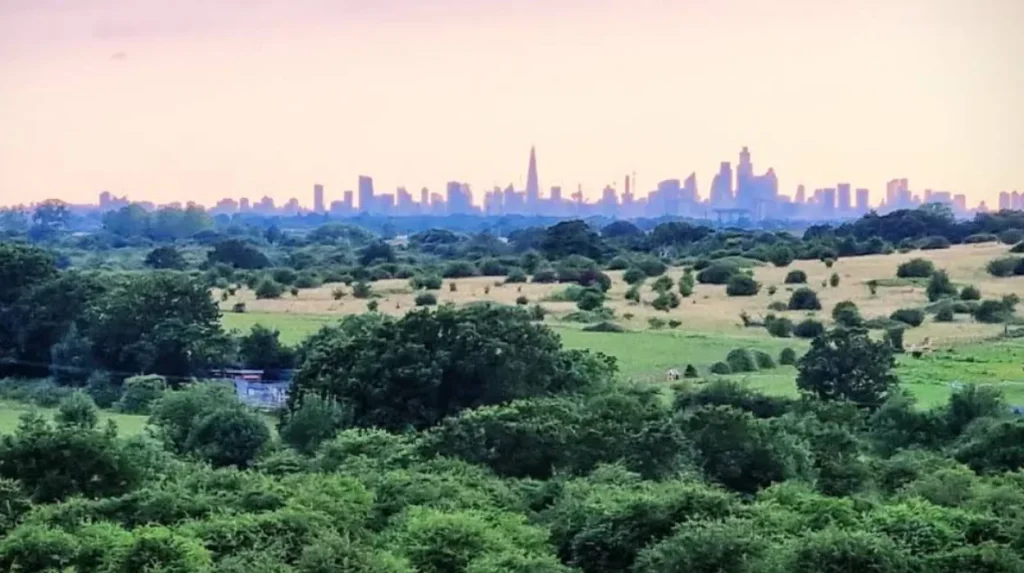
Start with Havering’s parks because they are the strongest and most accessible attraction category, with large landscapes, walking routes, wildlife areas, and picnic space. The best-known options include Raphael Park, Bedfords Park, Hornchurch Country Park, and Thames Chase-related green routes.
Havering’s park network is one of its defining features. National Park City London describes the borough as a place with expansive green spaces and countryside character, naming Raphael Park, Bedfords Park, Hornchurch Country Park, and Thames Chase as major outdoor draws. That breadth gives visitors several different park styles instead of one standard green space.
Bedfords Park is especially useful for nature-focused trips. Tripadvisor lists it as an historic parkland site of 215 acres, and the Essex Wildlife Trust visitor centre gives it extra value for wildlife watching and family visits. Large acreage matters because it creates longer walking routes and more space for quiet time.
Hornchurch Country Park is a strong choice for visitors who want open land and easy walking. The park forms part of Havering’s wider green landscape, which includes trails, woodland, wetlands, and birdwatching opportunities. That combination suits visitors who want a low-cost activity that still feels substantial.
Raphael Park works well for a calmer, central outing. It is one of Havering’s best-known public parks and pairs easily with nearby coffee stops or Romford shopping. For tourists, that makes it a practical half-day option rather than a full wilderness visit.
Where can visitors find Havering’s heritage?
Havering’s heritage is concentrated in its historic buildings, old churches, windmill, museum, and former country houses. The main visitor sites include Upminster Windmill, Rainham Hall, Langtons, Fairkytes, and Havering Museum, which together show the borough’s long settlement history.
The council describes Havering’s heritage as wide-ranging, from archaeological remains to twentieth-century suburban development. That framing matters because it shows the borough is not only a park destination; it also preserves older layers of local history.
Upminster Windmill is one of the most recognisable historic landmarks in the borough. It represents traditional milling and rural industry, which are central to the area’s older identity. Rainham Hall adds another important layer because it reflects the Georgian country-house landscape in the east of London.
Havering Museum in Romford is the best starting point for visitors who want a compact historical overview. The council specifically recommends it as a place to learn more about the borough’s historic buildings. For first-time visitors, the museum provides context before visiting the outdoor heritage sites.
As you explore these sites, you are crossing land with a deep heritage. Read about the full [Havering historical background and built heritage story] to understand its origins.
What can visitors do in Romford, Hornchurch, and Upminster?
Romford, Hornchurch, and Upminster give visitors the borough’s main town-centre experiences, with shopping, dining, heritage stops, and easy transport links. These areas are the best choices for travellers who want attractions without spending the whole day outdoors.
Romford is the strongest all-round base for visitors. It has the broadest mix of retail, food, and transport access, which makes it suitable for travellers who want one place to organise a full day. It also connects naturally to Havering Museum and the Town Hall heritage area.
Hornchurch is useful for visitors who prefer a more local high-street atmosphere. It works well for lunch, coffee, and a stop near heritage buildings such as Langtons and Fairkytes, both listed by the council as historic places. That gives the area a clear cultural identity beyond shopping.
Upminster is a practical destination for slower-paced visits. It links historic attractions such as Upminster Windmill, The Clockhouse, the Tithe Barn, and church sites named by the council. Visitors who enjoy architecture and local history can build a compact route here.
These town centres matter because they make Havering more than a park borough. They allow visitors to move between nature and urban convenience in the same day. That is especially useful for domestic business travellers who need flexible, time-efficient plans.
Where should families spend time in Havering?
Families should focus on parks, wildlife centres, historic landmarks with open space, and low-cost local attractions. Bedfords Park, Hornchurch Country Park, Havering Museum, and the borough’s public green spaces give children room to move while adults get an easy, structured visit.
Family travel in Havering works best when the day is built around outdoor space. National Park City London highlights birdwatching, walking, cycling, picnics, and wildlife spotting as major borough activities. These are straightforward family-friendly uses because they do not require special equipment or expensive entry.
Bedfords Park is especially strong for families because it combines a large parkland setting with a visitor centre. That gives parents a clear anchor point, while children have space to explore. Hornchurch Country Park offers a similarly broad setting for walking and informal play.
Havering Museum adds a useful indoor option for mixed-weather days. It keeps the trip varied and gives older children a simple introduction to local history. The museum also helps families balance active outdoor time with a quieter educational stop.
A practical family visit in Havering usually follows a simple pattern: park first, lunch second, heritage or museum stop third. That structure reduces travel friction and keeps the day manageable. It also works well for visitors who want a full outing without a complicated schedule.
What are the best free things to do?
The best free activities in Havering are walking in parks, exploring heritage exteriors, browsing historic streets, and enjoying nature reserves. These options make the borough attractive for budget travellers, local residents, and visitors who want value without sacrificing variety.
Free outdoor activity is one of Havering’s biggest strengths. The borough’s parks and countryside spaces are repeatedly highlighted as key visitor assets, including Raphael Park, Bedfords Park, Hornchurch Country Park, and Thames Chase routes. Those spaces are suitable for long walks, exercise, picnics, and photography.
The heritage landscape also offers free value. Visitors can view historic buildings, churches, and older street settings around places such as Rainham, Upminster, Hornchurch, and Havering-atte-Bower. Even when a building is not open for tours, the exterior and surrounding streets provide a worthwhile heritage visit.
For budget-conscious travellers, this matters because it lowers the overall cost of a day in East London. Food and transport are often the main expenses, while the activities themselves remain free. That makes Havering a strong option for anyone planning a low-cost itinerary.
Free activities also work well for digital nomads. A morning walk, a lunch stop in town, and a quiet afternoon in a park create a productive routine around remote work. Havering therefore serves leisure and practical downtime at the same time.
Where can visitors eat and rest?
Visitors can eat and rest in Romford, Hornchurch, and Upminster, where the borough’s dining and café choices are most practical. These centres provide the best mix of lunch stops, quick meals, and relaxed breaks between parks and heritage visits.
Havering’s food scene is best understood as local and functional rather than destination-only dining. That is an advantage for day visitors because it supports flexible schedules. Romford gives the widest range of choices, while Hornchurch and Upminster offer smaller, calmer places to stop.
Town-centre dining is important because Havering’s attractions are spread across the borough. Visitors moving between parks and heritage buildings need convenient places to reset. That is especially true for families, older travellers, and business visitors with limited time.
Café stops also support work-friendly travel. A remote worker can combine morning sightseeing with a lunch meeting or laptop session in town. That makes Havering more useful than a purely leisure-focused destination because the borough supports both movement and downtime.
For visitors planning a full day, the best approach is simple. Use the parks in the morning, eat in a town centre at midday, then finish with a museum or heritage site. That rhythm keeps the day efficient and avoids unnecessary backtracking.
How should visitors plan one day?
A strong one-day Havering itinerary combines one major park, one heritage site, and one town-centre meal stop. This structure captures the borough’s best features efficiently and gives visitors a complete East London experience without rushing.
A practical route starts in the morning at Bedfords Park or Hornchurch Country Park, where the outdoor setting is strongest. That gives visitors the best light for walking and photography, as well as enough time to enjoy the site properly.
Lunch should happen in Romford, Hornchurch, or Upminster, depending on the chosen route. These centres are the most convenient places to break the day because they sit close to the borough’s main attractions. This also reduces travel time between activities.
The afternoon can focus on heritage. Havering Museum is a logical choice for context, while Upminster Windmill or Rainham Hall gives the day a more distinctive local character. That sequence moves naturally from landscape to history, which improves the overall visitor experience.
For longer stays, the best strategy is to split the borough into themed halves. Use one day for parks and wildlife, and another for history and town centres. That approach gives visitors better coverage and avoids trying to force too much into one trip.
Why does Havering matter for East London travel?
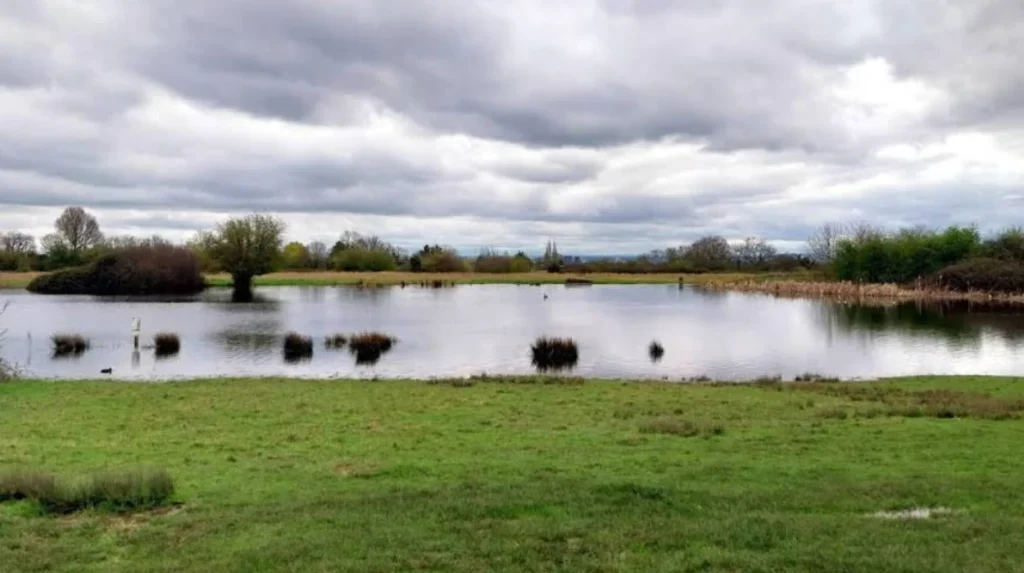
Havering matters because it broadens the idea of East London beyond dense urban streets and major commercial districts. It adds countryside-style parks, local heritage, and quieter town centres, making the area more diverse and more useful for varied visitor needs.
East London is often discussed through its major shopping, sport, and cultural districts, but Havering adds a different layer to that picture. It gives travellers a borough where open space and old settlements remain visible and easy to access.
That wider appeal helps tourism because not every visitor wants the same type of day out. Some want parks and wildlife. Others want heritage buildings. Others need a calm lunch stop between meetings or travel connections. Havering supports all three.
The borough also has long-term relevance because green space and local heritage continue to matter to urban visitors. National Park City London and the Havering council pages both present the area as a place where landscape and history remain central to the visitor offer. That makes the topic evergreen rather than trend-driven.
For SEO purposes, this is exactly the kind of subject that sustains search demand. People search for parks, things to do, family outings, and East London attractions throughout the year. Havering answers those needs with a stable mix of place-based information and practical planning value.
Havering offers a complete visitor package: large parks, historic landmarks, town-centre convenience, and budget-friendly activities. For travellers exploring East London, it is one of the strongest places to combine nature, culture, and downtime in a single borough.
What is Havering best known for?
Havering is best known for its large parks, historic landmarks, village-style town centres, and open green spaces. Attractions such as Bedfords Park, Hornchurch Country Park, Rainham Hall, and Upminster Windmill help define the borough’s visitor appeal.