Havering is a London borough on Greater London’s eastern edge bordering Essex, offering 24 top parks and open spaces alongside historic buildings including Upminster Windmill, Langtons House, Fairkytes Arts Centre, and the Clockhouse, making it a premier destination for tourists seeking heritage sites, countryside spaces, and outdoor attractions.
- What is Havering and why should tourists visit it?
- What are the best historical attractions in Havering?
- What is Upminster Windmill and what makes it special?
- What is Langtons House and its historical significance?
- What is the Clockhouse and why is it notable?
- What medieval churches exist in Havering?
- Which parks and open spaces are best for tourists in Havering?
- What is Raphael Park and what does it offer?
- What is Bedfords Park and its features?
- What is Lodge Farm Park and why is it significant?
- What is the five hilly parks walk in Havering?
- What nature experiences can tourists find in Havering?
- How do Havering’s historical sites connect to its parks?
- What practical information do tourists need for visiting Havering?
- Why is Havering suitable for different visitor types?
- What makes Havering distinct from other London boroughs?
- How can tourists plan an effective Havering visit?
What is Havering and why should tourists visit it?
Havering is the London Borough of Havering, a local government district in east London covering 40.2 square kilometres. The borough borders Essex to the north and east, and contains 46% green space, including 24 designated parks. Havering combines countryside atmosphere with London access, featuring historic sites dating from the medieval period to the 20th century, plus extensive park networks suitable for walking, cycling, and nature observation.
The borough contains towns including Romford, Upminster, Hornchurch, and Dagenham. Romford serves as the main commercial centre while Upminster preserves historic village character. This mix gives visitors urban amenities alongside rural landscapes. The area’s green belt status protects countryside from development, ensuring permanent access to nature spaces.
Havering’s transport links include multiple London Underground stations on the District Line (Upminster) and National Rail services connecting to London Liverpool Street and Fenchurch Street. This makes the borough accessible for day trips from central London or international visitors staying in east London hotels.
What are the best historical attractions in Havering?
Havering’s top historical attractions include Upminster Windmill (1894), Langtons House (18th century), Fairkytes Arts Centre (former Victorian school), the Clockhouse (16th century), and St Helens and St Giles Church (medieval), all managed by Havering Council and open to visitors with varied admission times.
What is Upminster Windmill and what makes it special?
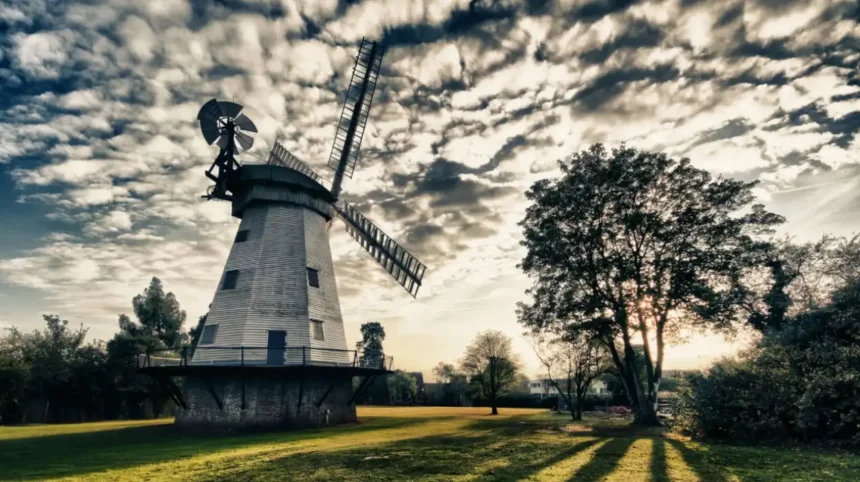
Upminster Windmill is a grade II listed tower mill built in 1894, standing as the only remaining working windmill in London. The mill features four wooden sails spanning 18 metres and operates traditional grain-milling machinery. Visitors can tour the interior millhouse seeing original equipment including miller’s tools, grain storage bins, and milling stones. The mill sits on Millhurst Road in Upminster with an adjacent garden area.
The windmill underwent restoration in the 1980s and continues milling demonstrations on selected weekends. It represents Victorian industrial heritage and agricultural history specific to the Havering area when the borough was primarily rural farmland before London’s expansion.
What is Langtons House and its historical significance?
Langtons House is an 18th-century grade II listed building located in Langtons Gardens, Hornchurch. The house features Georgian architecture with red brick construction, sash windows, and a central pediment. The property includes formal gardens with specimen trees, flower beds, and walking paths covering 1.6 hectares. Langtons House currently operates as Fairkytes Arts Centre hosting exhibitions, workshops, and community events.
The house originally served as a country residence for wealthy London merchants. Its gardens contain historical landscape features including a Victorian glasshouse structure and ornamental plantings. The building’s preservation maintains Havering’s Georgian architectural heritage.
As you explore the modern arts centre, you are crossing land with a deep heritage. Read about the full [Langtons House and Hornchurch Historical Background] to understand its origins.
What is the Clockhouse and why is it notable?
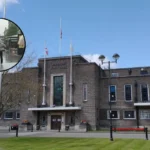
The Clockhouse is a grade II listed building dating from the 16th century, located on Clockhouse Lane in Collier Row. The structure features timber-framed construction with brick infill, exposed wooden beams, and a distinctive clock mechanism mounted on the exterior. The building originally served as a farmhouse and later as a public house.
The Clockhouse represents Tudor-period rural architecture in Havering. Its clock mechanism dates from the 19th century addition. The building stands as one of Havering’s oldest surviving structures, demonstrating pre-industrial construction methods using local timber and brick materials.
What medieval churches exist in Havering?
St Helens and St Giles Church stands as Havering’s key medieval church, located in Upminster. The church features Norman and Gothic architectural elements including stone construction, pointed arch windows, and a medieval tower. Parts of the building date from the 12th century Norman period, with later 14th-century Gothic additions. The church remains an active parish church with regular services.
The churchyard contains historical grave markers and memorials spanning centuries. Interior features include medieval stone carving, wooden pews from the 17th century, and stained glass windows. St Helens and St Giles represents continuous religious use in Havering from the medieval period through modern times.
Which parks and open spaces are best for tourists in Havering?
Havering’s 24 top parks and open spaces include Raphael Park (Romford), Bedfords Park (Hornchurch), Lodge Farm Park (Romford), Raphael Recreation Ground, and the five hilly parks walk route, offering formal gardens, sports facilities, woodland trails, and riverside access across the borough.
What is Raphael Park and what does it offer?
Raphael Park is Havering’s premier park located in Romford town centre, covering 12 hectares with formal gardens, a children’s playground, sports pitches, tennis courts, and a café. The park features mature tree collections including oak, maple, and elm specimens, plus seasonal flower displays in organized beds. Raphael Park includes a Victorian-style bandstand hosting summer music events.
The park provides central London access while maintaining countryside feel. Facilities include accessible pathways, seating areas, and open grass spaces suitable for walking, cycling, and outdoor exercise. Raphael Park serves as Romford’s main recreational green space for residents and visitors.
What is Bedfords Park and its features?
Bedfords Park is located in Hornchurch covering 8 hectares with woodland trails, open grass areas, and sports facilities. The park features a mix of mature woodland including birch, pine, and oak trees, plus cleared grass spaces for recreation. Bedfords Park includes a children’s playground, basketball court, and multi-use games area.
The woodland section contains designated walking paths suitable for nature observation and quiet walking. Seasonal wildflower patches appear in spring and summer. Bedfords Park offers Hornchurch residents and visitors accessible green space with urban amenities nearby.
What is Lodge Farm Park and why is it significant?
Lodge Farm Park is Romford’s largest park covering 24 hectares, featuring extensive woodland, open grass areas, sports pitches, and a café. The park includes diverse habitats including mature woodland with oak and pine trees, wetland areas with duck populations, and open meadows. Lodge Farm Park contains walking trails totaling 3 kilometres suitable for hiking and cycling.
The park’s woodland section represents significant environmental value with ancient tree specimens. Wetland areas support bird populations including ducks, moorhens, and occasionally water rails. Lodge Farm Park serves as Romford’s primary countryside access point within the borough.
What is the five hilly parks walk in Havering?
The five hilly parks walk is a designated hiking route connecting Lodge Farm Park, another park in the sequence, and three additional Havering parks through a continuous 5-kilometre path starting near Romford station. The route traverses elevated terrain offering varied views across east London and Essex countryside. The walk includes entrance points at Eastern Road near Romford station.
This route demonstrates Havering’s park connectivity allowing tourists to visit multiple parks in one outing. The hilly terrain provides exercise challenge while the park sequence offers varied landscapes including woodland, open grass, and formal garden sections. The walk starts at Romford station making it accessible for visitors without private transport.
What nature experiences can tourists find in Havering?
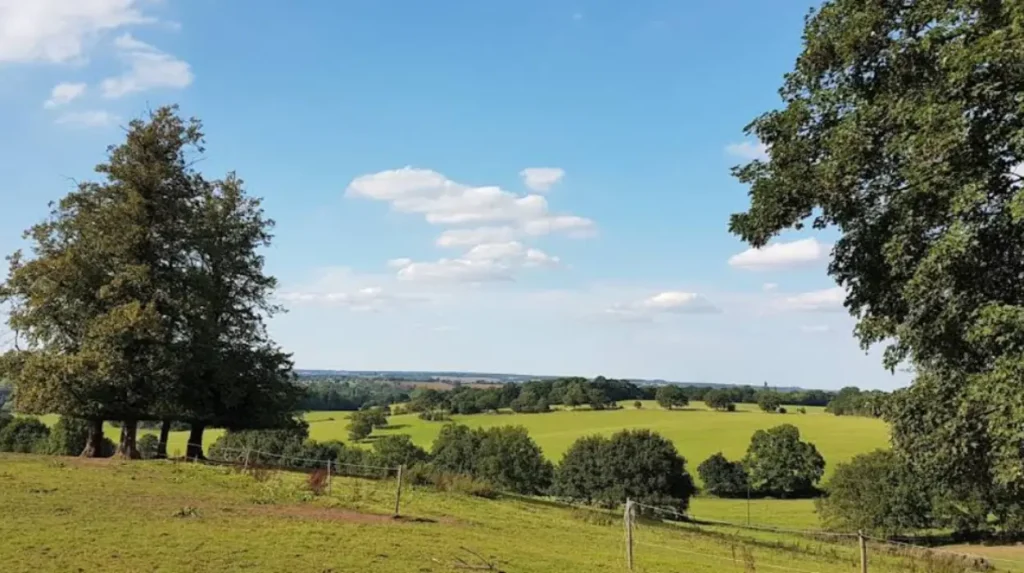
Havering offers nature experiences including woodland trails in Lodge Farm Park and Bedfords Park, wetland bird watching at park water features, seasonal wildflower viewing in spring and summer, mature tree collections across all 24 parks, and countryside walking paths bordering Essex with views of rural landscapes beyond London’s urban edge.
The borough’s 46% green space coverage ensures permanent nature access. Havering participates in London National Park City initiative connecting urban and countryside environments. This framework promotes nature conservation while maintaining public access to green spaces.
Wildlife in Havering parks includes common bird species (ducks, robins, blackbirds), occasional water birds at wetland areas, and small mammals including squirrels and foxes. Seasonal wildlife events include spring nesting, summer breeding, and autumn migration patterns observable in park woodland sections.
How do Havering’s historical sites connect to its parks?
Many Havering historical sites sit within or adjacent to park grounds, including Langtons House within Langtons Gardens, Upminster Windmill with adjacent garden space, and the Clockhouse near Collier Row park areas. This integration allows visitors to experience heritage and nature in single locations, maximizing tour efficiency while demonstrating Havering’s historical land use as country estates with formal gardens.
The borough’s park network preserves historical landscape features including Victorian glasshouses at Langtons, medieval churchyards at St Helens and St Giles, and industrial heritage sites like Upminster Windmill. This preservation maintains Havering’s transformation from rural farmland to London borough while retaining historical character within green space contexts.
What practical information do tourists need for visiting Havering?
Tourists visiting Havering need to know that most historic buildings require advance booking for guided tours (Upminster Windmill, Langtons House), parks are open daily 6am–8pm with free access, transport links include District Line to Upminster and National Rail to Romford, and the borough sits 15 kilometres from central London making it suitable for day trips or half-day visits combining multiple attractions.
Havering Council manages all historic sites and parks with websites providing current opening times, admission fees, and event schedules. Upminster Windmill charges £5 adult admission with free child entry. Langtons House/Fairkytes Arts Centre offers free entry with paid workshop fees. Parks remain free with no admission charges.
Weather considerations include typical London conditions with rain possible year-round. Summer months (June–August) offer warm temperatures averaging 20–25°C suitable for park activities. Winter months (December–February) bring cooler temperatures 5–10°C with shorter daylight hours affecting outdoor visit times.
Why is Havering suitable for different visitor types?
Havering serves tourists seeking heritage and nature, residents finding hidden activities, digital nomads requiring work-friendly local hubs with park cafés and quiet spaces, and business travellers maximizing downtime through accessible day trips. The borough’s mix of historical sites, extensive parks, transport connectivity, and countryside atmosphere within London boundaries meets diverse visitor needs.
Digital nomads benefit from Raphael Park café, Lodge Farm Park café, and quiet woodland areas in Bedfords Park suitable for outdoor work. Business travellers arriving at Romford or Upminster stations can access multiple attractions within 10–15 minute walks. Residents discover lesser-known parks like the five hilly parks route avoiding crowded tourist sites.
What makes Havering distinct from other London boroughs?
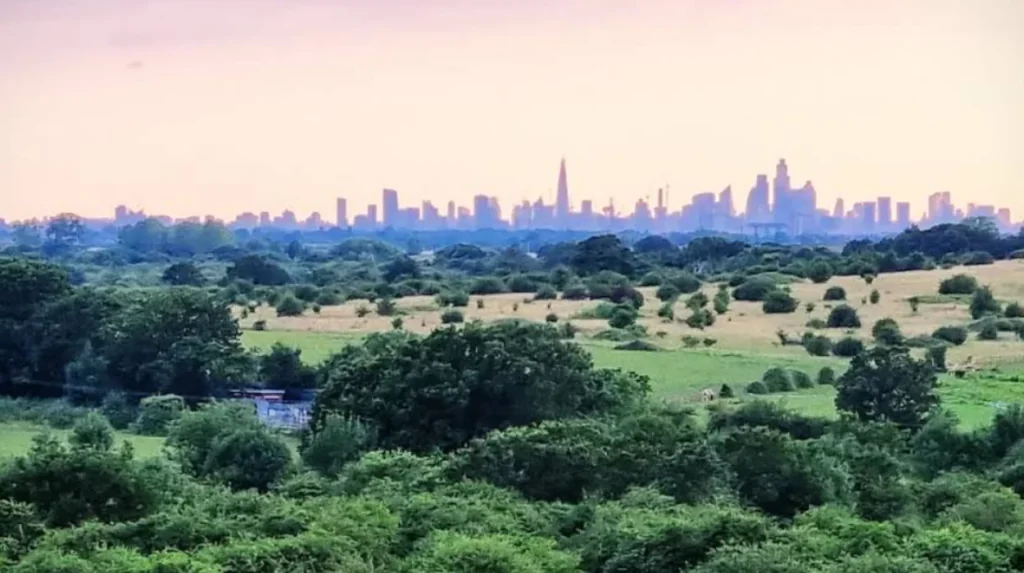
Havering distinguishes itself through 46% green space coverage exceeding most London boroughs, Essex border access providing countryside views beyond London, working windmill heritage unique in London, medieval church continuity from the 12th century, and preserved country estate gardens like Langtons maintaining Georgian landscape design. These features create countryside atmosphere while maintaining London transport access.
The borough’s green belt status prevents development on countryside land, ensuring permanent nature access unlike inner London boroughs where green space faces development pressure. This preservation maintains Havering’s rural character despite London proximity.
How can tourists plan an effective Havering visit?
Tourists should plan Havering visits by selecting 2–3 attractions combining history and parks (such as Upminster Windmill plus Raphael Park, or Langtons House with Bedfords Park), using District Line to Upminster or National Rail to Romford for transport, allocating 3–4 hours for half-day visits or 6–8 hours for full-day exploration, checking Havering Council websites for current opening times before travel, and visiting during summer months for optimal park conditions.
Full-day itineraries could include morning at Upminster Windmill (10am–12pm), afternoon at Raphael Park with café break (1pm–4pm), and evening at Langtons House for arts centre exhibition (5pm–7pm). Half-day visits might focus on single location pairs like Lodge Farm Park woodland walk plus Clockhouse viewing.
Havering’s compact size allows efficient multi-attraction visits without extensive travel time between sites. Romford and Upminster town centres provide dining options including restaurants, cafes, and takeaways for meal breaks during attraction visits.
What is Havering and where is it located?
Havering is a London borough in northeast Outer London, bordering Essex. It combines historic towns, countryside-style parks, heritage landmarks, and extensive green spaces while remaining well connected to central London.