King Charles visited Barking and Dagenham on 18 February 2026 with Queen Camilla for a borough-wide royal engagement focused on community support, education, and film industry skills. The visit included Barking Learning Centre, Barking & Dagenham College, and Eastbrook Studios, where the King met local organisations, students, and actor Sir Idris Elba.
- What was the King Charles visit to Barking?
- Who did King Charles meet in Barking?
- What did the King do at Barking Learning Centre?
- Why did the royal visit matter locally?
- What happened at Barking & Dagenham College?
- Why was Idris Elba there?
- What happened at Eastbrook Studios?
- What does the Barking visit mean now?
What was the King Charles visit to Barking?
King Charles’s Barking visit was a royal engagement in East London that showcased local community services, vocational education, and the borough’s growing screen industry. He and Queen Camilla spent the day meeting residents, staff, students, and partners working across health, employment, homelessness prevention, reading, and training.
Barking in this context refers to the London Borough of Barking and Dagenham in East London, a local authority area in Greater London. The visit was organised as a public-facing tour of civic and cultural projects that represent the borough’s priorities: wellbeing, opportunity, and regeneration.
The royal visit had three clear parts. First, the King and Queen went to Barking Learning Centre Community and Family Hub. Second, they visited Barking & Dagenham College’s Rush Green campus. Third, the King continued to Eastbrook Studios in Dagenham to meet students involved in film training.
The borough and the Royal Family both used the visit to highlight community-led services and job creation. The council said the day showcased early years support, food initiatives, arts, culture, employment pathways, and resident-led projects, while the Royal Family said the visit focused on organisations supporting the community.
Who did King Charles meet in Barking?
King Charles met community organisations, social prescribing workers, employment advisers, homelessness support services, reading initiatives, Barking & Dagenham College students, actor Sir Idris Elba, and film students at Eastbrook Studios. Queen Camilla also met local groups and heard about support services.
At Barking Learning Centre, the King and Queen met people involved in social prescribing, employment support, homelessness prevention, and reading projects. Social prescribing is a model that connects people with non-clinical support such as community activities, arts, nature, and sports to improve health and wellbeing.
The council also said the royals met organisations linked to domestic and sexual abuse support through Refuge, as well as local partners involved in neighbourhood health work and community services. The visit brought together the council, NHS-linked partners, voluntary groups, education providers, and faith groups.
At Barking & Dagenham College, the royals met Sir Idris Elba, an alumnus of the college. Elba joined the visit at the Rush Green campus, which made him one of the most high-profile people the King met during the day.
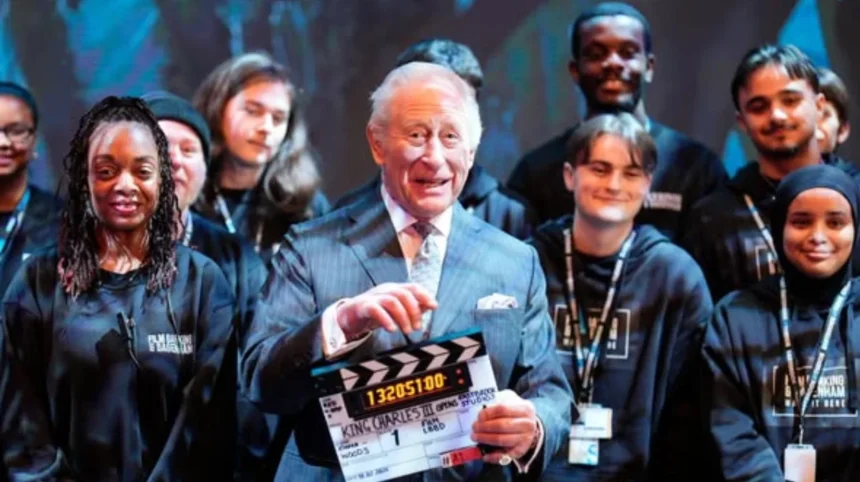
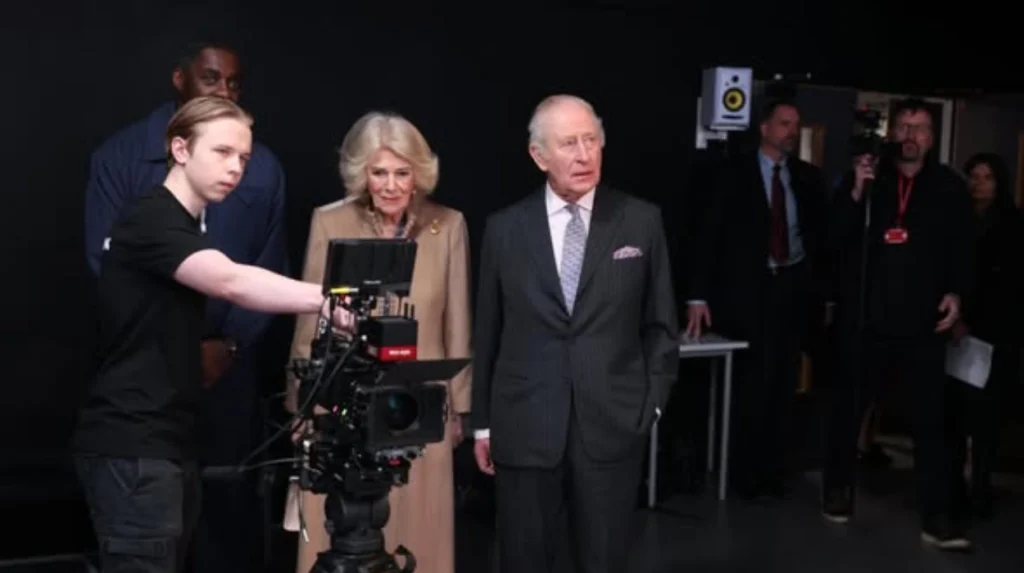
At Eastbrook Studios, the King met students taking part in Film Barking & Dagenham’s Make It Here Learning and Participation programme. These students were receiving hands-on experience of professional film-work settings, which gave the visit a direct education-and-jobs focus.
What did the King do at Barking Learning Centre?
At Barking Learning Centre, King Charles met local groups, viewed the Library of Things, and heard how community services support residents through health, employment, literacy, and affordable access to household items. The stop focused on practical help already embedded in the borough.
Barking Learning Centre Community and Family Hub is a community-based learning facility that houses Barking Library and brings together council services, partner organisations, and local community groups. It works as a local access point for services and support rather than as a single-purpose library building.
One of the most visible demonstrations was the Library of Things. This is a borrowing scheme that lets residents borrow infrequently used household items instead of buying them once and discarding them after one use. The Royal Family said this helps people afford what they need while reducing unnecessary purchases.
The King also heard about social prescribing. The council described this as a way of connecting people to community-based activities such as arts, nature, and sports to support physical and mental health. The local authority said Barking and Dagenham is one of 43 UK areas rolling out neighbourhood health services as part of the government’s 10-year plan.
Community support at the centre also included employment advice, homelessness prevention, and reading initiatives. That combination explains why the visit mattered locally: it showed how one hub can bring together several services under one roof.
Why did the royal visit matter locally?
The visit mattered because it put Barking and Dagenham’s community model, education pathways, and film-sector growth in the national spotlight. It also connected the borough’s service partnerships with royal recognition, which reinforced its role in East London regeneration and job creation.
The council described the visit as a “landmark” moment and said it showcased the borough’s partnerships and ambition. It highlighted the combined work of the council, NHS, voluntary sector, education providers, and community groups.
The visit also mattered because Barking and Dagenham has linked public services to long-term regeneration. The council said the borough is building research-led responses to health inequalities, housing pressures, employment barriers, and social care needs through a partnership with Queen Mary University of London.
A second reason for the visit’s importance was the borough’s growing screen industry. Barking and Dagenham has positioned itself as a production base for film and television, and the royal visit brought attention to a major studio project in Dagenham East.
The third reason was visibility for young people. By meeting students at the college and studio, the King and Queen reinforced the idea that local education and training can lead directly into work in media, design, healthcare, plumbing, and other sectors.
What happened at Barking & Dagenham College?
At Barking & Dagenham College, the King and Queen met Sir Idris Elba, viewed student workshops, and marked the college’s 65th anniversary. The visit focused on technical education, creative training, and the pathways the college offers to local learners.
Barking & Dagenham College’s Rush Green campus was one of the main stops on the tour. The Royal Family said the campus offers technical and professional education courses, and the college showed the visitors training in fashion, art and design, plumbing, and healthcare.
Sir Idris Elba joined the royal visit as an alumnus of the college. The college’s own material and the Royal Family’s release both identified him as a former student, and the campus includes the Idris Elba Studio, which supports media and production courses for rising local talent.
The King and Queen also unveiled a plaque to mark the visit and the college’s 65th anniversary. That gave the stop both a ceremonial and educational function: it celebrated the institution’s history while drawing attention to its current role in skills training.
The college visit matters because technical education is central to local labour market growth. When an institution provides practical training in media, health, and trades, it creates direct routes into employment for young people in East London.
Why was Idris Elba there?
Idris Elba attended because he is a Barking & Dagenham College alumnus and a prominent supporter of local opportunity. He joined the King and Queen at the campus where he trained and helped draw attention to the college’s creative education offer.
Elba is a well-known actor and filmmaker who studied at the college earlier in life. During the visit, the King reportedly told him he was “very proud” of him and described him as an inspiration, which underlined the symbolic value of the encounter.
His presence strengthened the link between education and achievement. The college used the visit to show how a local student can progress into a major career while still remaining connected to the borough.
The named studio at the campus also matters. The Idris Elba Studio is used for media and production teaching, so the visit tied a respected local figure to a working training facility rather than to a purely ceremonial space.
For East London readers, this was one of the clearest signals in the visit: local talent, local schools, and local institutions can produce nationally recognised success stories.
Explore More Help & Resources
Newham Restaurants Best New Openings Worth Visiting in 2026
UEL After Dark Festival 2026 What Is On and How to Get Tickets
What happened at Eastbrook Studios?
At Eastbrook Studios, King Charles met students on Film Barking & Dagenham’s Make It Here programme and observed film-work training in a real studio setting. The stop highlighted the borough’s ambition to become a major production hub.
Eastbrook Studios is part of Barking and Dagenham’s expanding film and television ecosystem. The council said the visit helped showcase the borough’s progress in developing into a major centre for screen production.
The King met students taking part in the Make It Here Learning and Participation programme. That programme gives students practical experience and industry-facing skills through workshop-based learning in a professional environment.
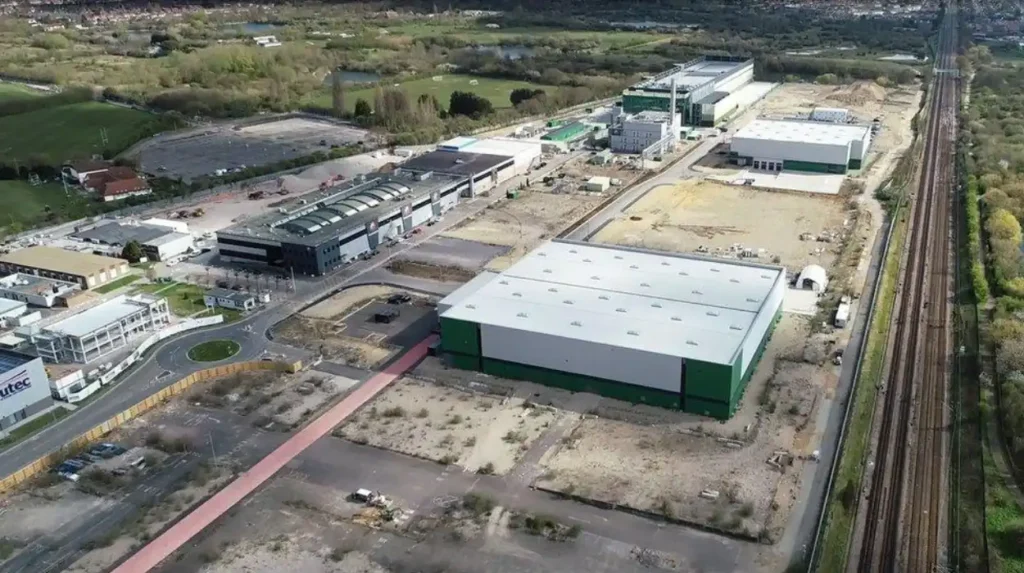
The visit also linked directly to a larger studio investment in Dagenham East. The council said plans for a £110 million, 22-acre film studio complex were approved in July 2020, with a projected 1,200 jobs and an annual economic boost of £35 million.
That makes the Eastbrook stop more than a photo opportunity. It showed the bridge between education, infrastructure, and local employment in a sector that often relies on specialist skills and access to studios.
What does the Barking visit mean now?
The Barking visit now stands as a clear example of how royal engagements can spotlight local services, training routes, and regeneration plans in one place. It remains relevant because the issues it covered—health, skills, housing, and jobs—are long-term borough priorities.
The visit is evergreen because it reflects ongoing urban change in East London. Barking and Dagenham continues to invest in health partnerships, community-led support, and workforce development, so the themes behind the visit remain current even after the event itself.
It also remains useful for readers searching for what King Charles did in Barking because the itinerary was structured around real institutions rather than ceremonial appearances. Barking Learning Centre, Barking & Dagenham College, and Eastbrook Studios all represented different stages of local support and opportunity.
For local news audiences, the strongest angle is the borough’s ability to connect culture, care, and careers. The royal visit did not only show who the King met. It showed how Barking and Dagenham presents itself: as a borough built around service delivery, education, and growth.
When did King Charles visit Barking and Dagenham?
King Charles III and Queen Camilla visited Barking and Dagenham on 18 February 2026 as part of a royal engagement highlighting community services, education, and the borough’s growing film industry.