Key Points
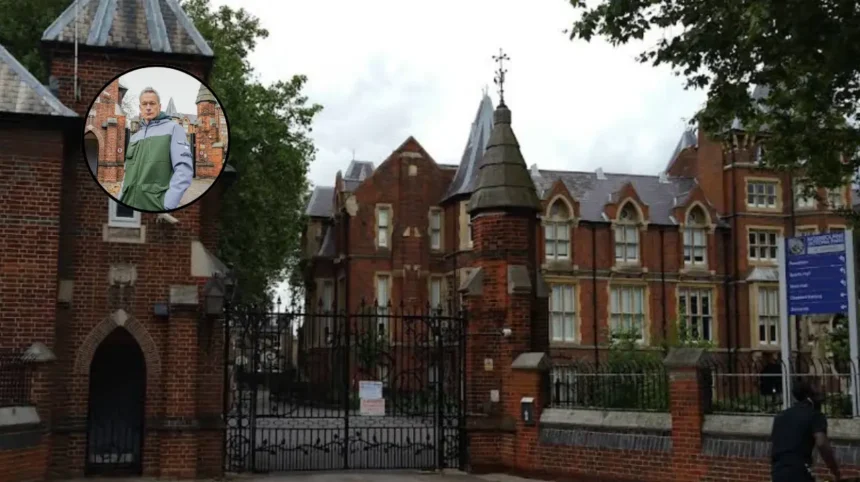
- Mossbourne Victoria Park Academy (MVPA) in Hackney has been found to have a disciplinary culture that was “particularly harmful” to a significant minority of vulnerable pupils, according to a safeguarding review concluded in December 2025.
- Accusations include girls being made to menstruate into their uniforms and children developing incontinence issues due to strict rules and restrictions on toilet breaks.mylondon
- School leaders have refused to apologise to children affected, despite the review’s findings.mylondon
- The review described a culture of “punishment no matter what”, with practices including shouting, public humiliation, and a lack of support for pupils.
- More than 300 parents have signed a letter defending the school against claims of a “toxic culture”.
- The Mayor of Hackney has said she is “deeply concerned” by the review’s findings.hackneycitizen
Hackney (East London Times) July 10, 2026 –Leaders at a high-performing East London academy have declined to issue an apology to pupils who may have been harmed by the school’s disciplinary regime, even after a safeguarding review concluded that its culture was “particularly harmful” for some vulnerable children.
- Key Points
- What did the safeguarding review find about MVPA’s discipline culture?
- What specific harms were alleged against the school?
- How have school leaders and the local community responded?
- How have parents and local officials reacted?
- What does this mean for safeguarding and school discipline in East London?
- Background of the development
- Prediction: How could this development affect pupils, parents, and schools in Hackney?
Mossbourne Victoria Park Academy (MVPA), located in Hackney and celebrated for its outstanding academic results, was the subject of a rare Child Safeguarding Practice Review, which reported in December 2025 that the school’s approach had caused significant distress for a minority of pupils.
The review found that the academy’s culture of “punishment no matter what” had led to practices now described as harmful, including severe restrictions on toilet breaks that allegedly resulted in some girls menstruating into their uniforms and some children developing incontinence issues.
Despite these findings, school leaders have not apologised to affected students, a stance that has drawn sharp criticism from local officials and safeguarding advocates.
What did the safeguarding review find about MVPA’s discipline culture?
As reported by multiple outlets, including the BBC and Sky News, the safeguarding review concluded that Mossbourne Victoria Park Academy’s success had been achieved “at too high a cost for some pupils”.
The report highlighted a disciplinary environment characterised by shouting, public humiliation, and a lack of emotional and practical support for pupils, particularly those with additional needs or vulnerabilities.
According to coverage by the Hackney Citizen, the review linked the school’s “draconian” regime to cases of self-harm among pupils and noted that Black boys were disproportionately subjected to harsh sanctions.
The review’s language described the culture as one of “compliance” enforced through intimidation, with some former students recounting an “incredibly hostile environment” during their time at the school.
What specific harms were alleged against the school?
Allegations detailed in media reports include pupils being denied timely access to toilets, leading to accidents and long-term incontinence problems.
Girls reported being forced to remain in class while menstruating, resulting in them bleeding into their uniforms, an experience described as humiliating and distressing.
The review also noted that the school’s punitive approach contributed to mental health difficulties, with some pupils experiencing anxiety, trauma, and self-harm.
How have school leaders and the local community responded?
School leaders at MVPA have maintained that the academy’s high standards and academic outcomes justify its disciplinary framework, and they have not issued an apology to pupils who say they were harmed.
In statements reported locally, the academy emphasised its commitment to rigour and order, arguing that its approach benefits the majority of students, even if a minority find it challenging.
How have parents and local officials reacted?
Reaction in the community has been divided. As reported by the BBC, more than 300 parents signed a letter defending Mossbourne schools against claims of a “toxic culture”, arguing that the academy’s standards have helped many children succeed.
Conversely, the Mayor of Hackney, Julie Dore, has said she is “deeply concerned” by the review’s findings and has called for urgent action to ensure pupil welfare is prioritised.
Local safeguarding partners and children’s rights advocates have urged the school to acknowledge the harm identified in the review and to implement immediate reforms to its behaviour policies.
What does this mean for safeguarding and school discipline in East London?
The Mossbourne case has reignited debate over the balance between discipline and welfare in English schools, particularly those with “outstanding” Ofsted ratings.
Experts cited in coverage argue that zero-tolerance behaviour policies, while effective in maintaining order, can become “trauma-inducing” for vulnerable pupils if not implemented with adequate support and flexibility.
The review’s findings have prompted calls for closer scrutiny of school cultures that prioritise compliance over child-centred safeguarding, especially in high-pressure academic environments.
Background of the development
Mossbourne Victoria Park Academy is part of the Mossbourne Federation of schools in Hackney, a group known for transforming educational outcomes in East London through strict behavioural expectations and high academic standards.
The safeguarding review into MVPA was commissioned after persistent concerns from former pupils, parents, and local campaigners about the human cost of the school’s disciplinary regime.
Published in December 2025, the report concluded that while many students thrived, a significant minority—particularly those with special educational needs, mental health vulnerabilities, or from disadvantaged backgrounds—were harmed by the school’s inflexible approach.
The review recommended immediate changes to toilet access policies, a reduction in punitive sanctions, and the introduction of trauma-informed practices to support vulnerable pupils.
Prediction: How could this development affect pupils, parents, and schools in Hackney?
This development is likely to affect several groups in distinct ways:
- Current and former pupils: Students who experienced harm may seek formal redress or counselling support, while current pupils could benefit from revised, more flexible behaviour policies if reforms are implemented.
- Parents and families: Divisions may deepen between those who support strict discipline as a route to academic success and those who prioritise emotional wellbeing and safeguarding, potentially influencing school choice in the borough.
- School leaders and trusts: The case may prompt other high-performing schools to review their own behaviour policies to avoid similar safeguarding criticisms, especially as Ofsted and local authorities increase scrutiny of school culture.
- Local authorities and policymakers: Hackney Council and regional safeguarding partners may introduce tighter oversight of disciplinary practices in academies, balancing academic achievement with child protection obligations.
For the wider East London education sector, the Mossbourne case could become a reference point in ongoing debates about how far schools should go in enforcing discipline before it becomes harmful, particularly for vulnerable children.