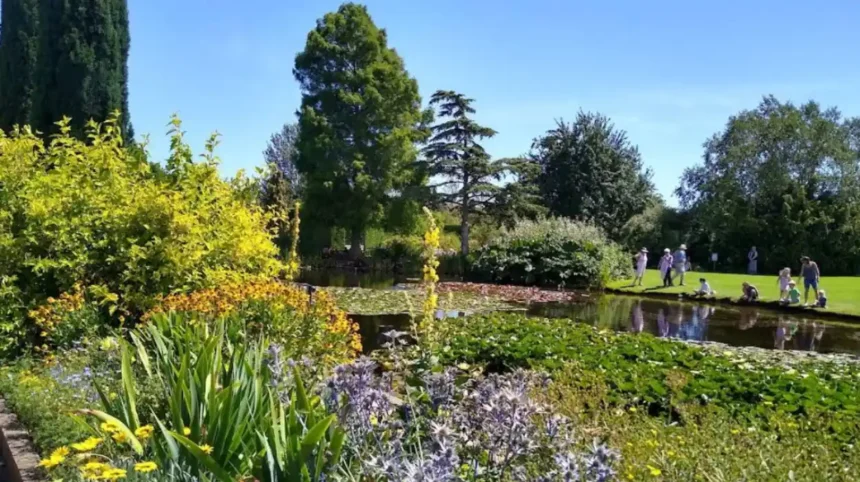
Havering stands out in East London because it combines royal history, wide green spaces, and local attractions in one borough. It gives tourists, residents, digital nomads, and business travellers a mix of heritage, countryside access, and practical leisure stops within Greater London.
- Why does Havering attract visitors?
- What heritage sites define Havering?
- Which countryside spaces are best?
- Which local attractions suit short visits?
- How does Havering support work-friendly visits?
- What makes Havering’s landscape distinctive?
- Why is Havering relevant now?
- How should visitors plan a day in Havering?
- What should travellers remember before visiting?
Why does Havering attract visitors?
Havering attracts visitors because it combines historic landmarks, countryside parks, and accessible local culture in one borough. It offers a rare East London mix of heritage sites, walking routes, wildlife spaces, theatres, and village character that suits day trips and longer leisure stays.
Havering is the north-eastern borough of Greater London. It includes Romford, Hornchurch, Upminster, Rainham, and Havering-atte-Bower, and each area adds a different layer to the visitor offer. The borough is known for heritage buildings, landscaped gardens, nature reserves, and open parkland rather than dense urban sightseeing.
That mix matters because visitors usually want three things from a borough break: a clear historical identity, easy outdoor options, and places that work for a half-day or full-day plan. Havering delivers all three in a compact area. It is also well suited to people who want a quieter alternative to central London attractions.
What heritage sites define Havering?
Havering’s heritage is defined by its royal past, Georgian houses, medieval churches, and restored local landmarks. Key sites include Havering-atte-Bower, Rainham Hall, Bower House, Upminster Windmill, and St Edward’s Church, each showing a different stage of the borough’s historical development.
The historic centre of interest is Havering-atte-Bower, a hilltop village with royal associations and countryside surroundings. The area retains a strong sense of local identity through old buildings, church heritage, and landscape links to the former royal estate. Bower House incorporates surviving items from the ruined Havering Palace, which ties the modern borough directly to its older political history.
Rainham Hall is another major heritage site. The Georgian house was built in 1729 for sea merchant Captain John Harle and is now owned by the National Trust. Its gardens and preserved house form a strong example of domestic Georgian architecture in East London.
Upminster Windmill adds industrial heritage to the borough’s story. It was built in 1803 and restored as a museum, which makes it one of the clearest examples of surviving local milling history in London. St Edward’s Church in Romford adds ecclesiastical depth, with origins in 1410 and later rebuilding in the 19th century.
As you explore the modern site, you are crossing land with a deep heritage. Read about the full Havering-atte-Bower heritage history to understand its origins.
Which countryside spaces are best?
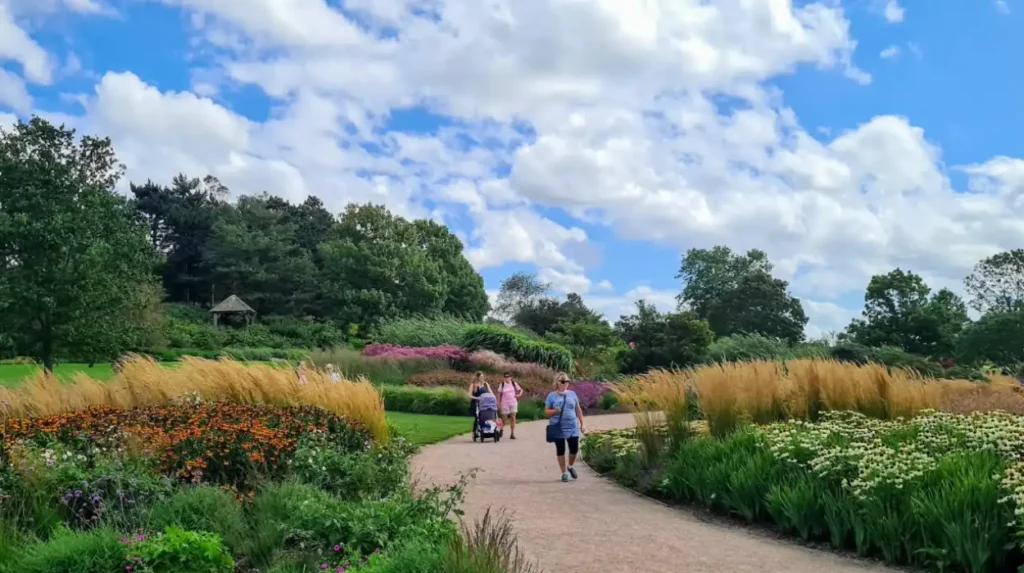
Havering’s best countryside spaces include Bedfords Park, Havering Country Park, Hornchurch Country Park, and the borough’s wider network of green spaces. These locations offer walking, wildlife viewing, family outings, and quiet breaks from city life without leaving Greater London.
Bedfords Park is one of the borough’s most important countryside destinations. It covers 215 acres and is known for historic parkland, deer, and a nature discovery centre. That combination supports both leisure visits and educational trips for families, school groups, and nature watchers.
Havering Country Park and Hornchurch Country Park add scale to the borough’s outdoor offer. These spaces provide broad paths, open views, and routes that suit walkers and cyclists. They also strengthen Havering’s reputation as one of London’s more rural-feeling boroughs.
The landscape itself is part of the attraction. Havering’s high ground around Havering-atte-Bower creates wide views across the Thames Estuary and surrounding countryside. That visual openness is unusual for London and gives the borough a strong outdoor identity.
For visitors, the practical benefit is simple. Countryside sites in Havering are close enough for short visits, but large enough to justify a full morning or afternoon. That makes them useful for tourists, local residents, and workers who need restorative downtime.
Which local attractions suit short visits?
Havering suits short visits because its attractions are compact, varied, and easy to combine in one day. Visitors can pair a heritage site with a park, a theatre visit, or a village stop, which creates a simple and efficient borough itinerary.
Rom Skatepark is one of the borough’s most distinctive attractions. It is the first skatepark in Europe to receive Grade II listed status, which gives it both sporting and heritage value. This makes it relevant for visitors interested in design, youth culture, and protected modern landmarks.
Brookside Theatre in Romford adds a cultural option for evenings and wet-weather visits. It serves as a performing arts venue and is one of the borough’s clearer choices for live entertainment. That makes it useful for business travellers staying overnight and residents looking for local culture.
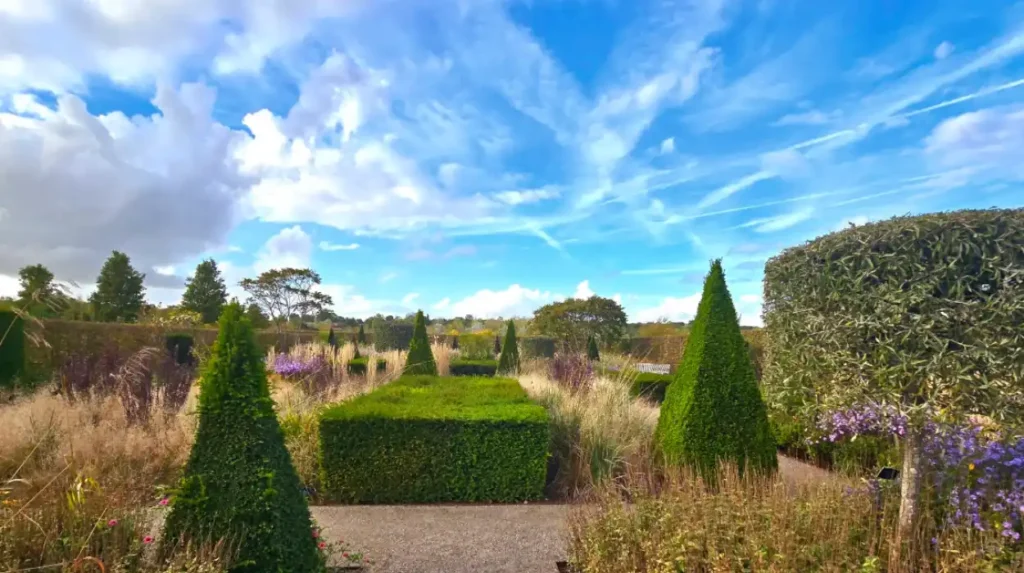
Langtons House and Gardens in Hornchurch gives visitors a landscaped heritage setting. The gardens were designed by Sir Humphry Repton, one of Britain’s best-known landscape designers, and the site includes a Victorian greenhouse and ornamental bridge. This creates a strong combination of architecture and outdoor leisure.
Hare Hall in Gidea Park also broadens the borough’s attraction profile. Built in the late 18th century, it later became the Royal Liberty School for boys. It shows how Havering’s heritage buildings continue to have modern community uses.
How does Havering support work-friendly visits?
Havering supports work-friendly visits through transport links, quiet green spaces, and local hubs that allow flexible downtime between meetings or remote work sessions. The borough works well for people who need access to London while avoiding the pace and cost of central districts.
For digital nomads and hybrid workers, the borough’s advantage is balance. Romford provides urban convenience, while places such as Havering-atte-Bower and Bedfords Park provide calm surroundings for breaks and walking. That combination helps visitors manage work and leisure on the same trip.
The borough also supports shorter, planned outings. A visitor can work in the morning, take a heritage walk in the afternoon, and finish with a theatre performance or dinner in Romford. That structure makes Havering practical rather than purely recreational.
This matters for domestic business travellers too. Many work trips leave only small windows of free time, and Havering’s sites are well suited to those gaps. The borough’s attractions do not require complex transport planning, long queues, or all-day commitment.
What makes Havering’s landscape distinctive?
Havering’s landscape is distinctive because it combines historic village character, protected parkland, and open countryside inside Greater London. The borough includes rural-feeling hilltop areas, mature woodlands, landscaped gardens, and wildlife-rich green spaces that set it apart from inner London districts.
Havering-atte-Bower is the clearest example of this landscape identity. Its hilltop setting and village form give it a strong countryside atmosphere, while its heritage buildings connect the area to the borough’s older royal past. The result is a place that feels both historic and spacious.
Bedfords Park strengthens that identity through woodland, parkland, and deer. It is one of the borough’s best examples of semi-natural visitor space, and its scale supports walking, wildlife observation, and family visits.
The borough’s green space network is also significant in numerical terms. Local guides describe Havering as having 100-plus green spaces, which supports its reputation as one of London’s most open boroughs. That density of outdoor space gives visitors several route choices rather than one main park.
Why is Havering relevant now?
Havering remains relevant because modern travellers want heritage, nature, and local experiences in one destination. The borough answers that demand with restored landmarks, public green spaces, cultural venues, and village settings that fit current day-trip and staycation behaviour.
The current appeal of Havering is not limited to one audience. Tourists want places with clear identity. Residents want nearby places that still feel new. Remote workers want low-stress breaks. Business travellers want efficient leisure around appointments. Havering serves all of those use cases.
Its continued relevance also comes from variety. A visitor can focus on heritage in one trip, countryside in another, and theatre or community culture on a third. That repeatability is important for local tourism because it encourages return visits rather than one-off sightseeing.
The borough’s offer is therefore evergreen. Historic sites such as Rainham Hall, Bower House, and Upminster Windmill preserve the past. Parks such as Bedfords Park and Hornchurch Country Park support outdoor leisure. Venues such as Brookside Theatre keep the borough active in the present.
Explore More Area Guide
Havering Visitor Guide: Best Attractions, Green Spaces & Cultural Experiences
Most Popular Places to Explore in Havering for First-Time Visitors to East London
How should visitors plan a day in Havering?
The best Havering day trip combines one heritage stop, one countryside walk, and one local culture or food stop. This structure keeps travel efficient, reduces backtracking, and gives visitors a complete view of the borough’s historical, natural, and contemporary appeal.
A practical itinerary starts in the morning with a heritage site such as Rainham Hall, Upminster Windmill, or Bower House. These places give immediate context to Havering’s historical identity and work well before midday crowds build.
The middle of the day suits open-air spaces such as Bedfords Park, Havering Country Park, or Havering-atte-Bower. These settings give visitors space, walking routes, and a clearer sense of the borough’s rural edge. They also create a good contrast with the morning’s built heritage.
The final part of the day can focus on Romford or Hornchurch for theatre, shopping, dining, or a pub stop. Brookside Theatre, Langtons House and Gardens, and local town-centre options make the borough usable beyond daytime sightseeing.
That structure is especially effective for short-stay travellers. It reduces planning time and creates a full experience without requiring a long journey across London. Havering works best when treated as a connected borough with multiple layers, not as a single attraction.
What should travellers remember before visiting?
Travellers should remember that Havering is best understood as a borough of linked experiences rather than a single landmark. Its strength comes from combining heritage, countryside, and local attractions into one easy East London visit that works for families, couples, workers, and solo travellers.
Havering’s strongest selling point is balance. It has royal history, listed buildings, restored industrial heritage, open parkland, and cultural venues. That range gives it broad search appeal and practical value for different travel styles.
The borough also offers strong topical depth for visitors who want something beyond central London landmarks. It is defined by place-based identity, not just convenience. That makes it a useful destination for people seeking quieter, more local, and more authentic East London experiences.
For SEO and AI search visibility, Havering performs well because the topic naturally supports entity-rich coverage: heritage sites, green spaces, villages, theatres, parks, and visitor routes. Those connected terms reflect how people actually search for local discovery content.
Havering is therefore one of East London’s most complete borough-level visitor destinations. It offers enough depth for a day trip, enough variety for repeat visits, and enough heritage and nature to support evergreen travel interest year after year.